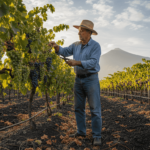


Sicily’s golden citrus groves are far more than picturesque orchards. They represent a thousand-year legacy woven into the island’s identity, shaping everything from medieval trade routes to modern culinary masterpieces. While most visitors admire the fruit, few realize citrus cultivation transformed Sicily’s economy, social structure, and cultural expression across centuries. Understanding this deep connection reveals why Sicilian cuisine tastes distinctly different and why the island’s agricultural heritage remains vital today.
Table of Contents
- Historical Roots Of Citrus Cultivation In Sicily
- Distinctive Citrus Varieties And Cultivation Practices In Sicily
- Citrus’ Profound Influence On Sicilian Culture And Cuisine
- The Economic And Modern Agricultural Landscape Of Sicilian Citrus Farming
- Discover Sicily’s Vibrant Citrus Culture Firsthand
- Frequently Asked Questions
Key takeaways
| Point | Details |
|---|---|
| Historical significance | Arab rulers introduced citrus to Sicily in the 9th century, with Jesuit intensification in the 1600s creating economic prosperity |
| Unique cultivation | The Siracusa lemon produces three annual harvests and requires no synthetic coatings, making the entire fruit edible |
| Cultural integration | Citrus permeates Sicilian festivals, traditional dishes, street food, and regional identity across generations |
| Economic dominance | Sicily manages 53,000 of Italy’s 82,500 hectares of sweet orange cultivation as of 2026 |
| Quality standards | Regional IGP and DOP certifications combined with expanding organic practices ensure premium citrus quality |
Historical roots of citrus cultivation in Sicily
The story begins during Arab domination in the 9th century, when North African cultivators introduced sophisticated irrigation systems and citrus varieties to Sicily’s volcanic soil. These early farmers recognized the island’s microclimate created ideal conditions for lemon, orange, and bitter orange cultivation. Their agricultural innovations laid foundations that would support Sicily’s economy for over a millennium.
By the early 1600s, Jesuit monks intensified lemon cultivation around Siracusa, transforming what had been modest production into a primary wealth source. The religious order’s meticulous record keeping and experimental breeding programs elevated Sicilian lemons to legendary status across European markets. Wealthy Sicilian families invested heavily in citrus estates, diversifying beyond traditional grain production. This economic shift created lasting social changes, establishing merchant classes and export networks that connected Sicily to global trade routes.
Traditional cultivation techniques from this era persist in modern practices. Terraced hillside orchards, hand harvesting methods, and seasonal pruning schedules still reflect centuries-old wisdom. Many family-operated groves maintain heirloom cultivars passed through generations, preserving genetic diversity and flavor profiles commercial agriculture often sacrifices. This living archaeological heritage connects contemporary travelers directly to Sicily’s layered past.
“The introduction of citrus fundamentally altered Sicily’s agricultural landscape, creating economic opportunities that shaped regional development patterns for centuries.”
- Arab irrigation innovations enabled year-round cultivation in Sicily’s climate
- Jesuit commercial networks established Sicily as Europe’s premium lemon supplier
- Citrus wealth funded baroque architecture and cultural patronage across eastern Sicily
- Traditional methods preserved flavor characteristics modern consumers increasingly value
Distinctive citrus varieties and cultivation practices in Sicily
The Siracusa lemon thrives through three distinct flowering periods annually, producing primofiore (October-March), bianchetto (April-June), and verdello (July-September) harvests. This extended production cycle, unique to the femminello cultivar, gives Sicilian growers competitive advantages over single-harvest regions. Each flowering produces fruit with subtly different characteristics, allowing chefs to select lemons optimized for specific culinary applications.
Quality regulations distinguish Sicilian citrus dramatically from mass-market alternatives. Post-harvest treatments including waxes and fungicides are strictly forbidden for Siracusa lemons, ensuring the entire fruit remains edible without chemical residues. This natural approach preserves essential oils in the peel that deliver intense aromatic compounds. Home cooks and professional chefs worldwide seek these untreated lemons specifically for recipes requiring zest or preserved preparations.
Certification systems protect both quality and regional identity. DOP and IGP designations guarantee geographic origin and production methods meet stringent standards. These programs benefit growers economically while educating consumers about authentic Sicilian products. Organic cultivation has expanded rapidly, with regional initiatives supporting farmers transitioning to chemical-free methods that align with traditional practices and contemporary environmental values.
Pro Tip: When purchasing Sicilian citrus, look for IGP certification labels and avoid fruit with shiny coatings, which indicate post-harvest chemical treatments that mask the natural flavor profile unique to Sicilian cuisine.
| Variety | Harvest Period | Primary Use | Unique Characteristic |
|---|---|---|---|
| Primofiore | October-March | Fresh consumption | Highest juice content, bright acidity |
| Bianchetto | April-June | Culinary preparations | Moderate acidity, versatile applications |
| Verdello | July-September | Summer beverages | Lower acidity, aromatic peel |
| Blood Orange | December-May | Desserts, drinks | Anthocyanin pigments, sweet-tart balance |
Citrus’ profound influence on Sicilian culture and cuisine
Citrus flavors define Sicilian street food identity, from granita al limone to orange-infused arancini variations. The intense aromatics possible only with chemical-free peels allow traditional recipes to achieve depth impossible with treated fruit. Pastry chefs incorporate candied citrus peels into cassata and cannoli, while savory preparations balance rich ingredients with bright acidity. This culinary integration reflects centuries of cultivation shaping local traditions and recipe development.

Regional festivals celebrate harvest cycles with processions, tastings, and cultural performances. Communities gather during flowering periods when citrus blossoms perfume entire valleys, creating sensory experiences that bond residents to agricultural rhythms. These events preserve folk traditions while attracting visitors seeking authentic cultural immersion. Local artisans craft citrus-themed ceramics, textiles, and decorative items that extend the fruit’s symbolic importance beyond agriculture into daily life.
Home gardens throughout Sicily feature at least one citrus tree, making cultivation a personal practice rather than purely commercial activity. Families harvest fruit for household use, share excess with neighbors, and pass cultivation knowledge intergenerationally. This intimate relationship with citrus strengthens community bonds and maintains agricultural skills even as urbanization increases. Markets overflow with citrus during peak seasons, creating vibrant displays that showcase variety and quality while facilitating social interaction.
Pro Tip: Time your visit to coincide with flowering periods in April or October to experience the legendary citrus blossom fragrance and participate in authentic culinary tours featuring seasonal harvest activities.
- Lemon juice balances rich Sicilian seafood preparations and pasta dishes
- Blood orange segments elevate traditional salads with visual appeal and sweetness
- Candied citrus peels provide texture and flavor complexity in iconic desserts
- Limoncello production represents hospitality and home craftsmanship traditions
- Orange blossom water flavors beverages and sweets across the region
Understanding citrus’ cultural significance transforms casual tourism into meaningful engagement with Sicilian traditions that have shaped Mediterranean civilization for centuries.
The economic and modern agricultural landscape of Sicilian citrus farming
Sicily dominates Italian citrus production with 53,000 of the nation’s 82,500 hectares planted in sweet oranges as of 2026. This concentration reflects ideal growing conditions, established infrastructure, and generations of specialized expertise. The industry supports thousands of families directly while generating secondary employment in processing, transportation, and tourism sectors. Regional GDP calculations show citrus contributing substantially beyond raw agricultural output when multiplier effects are included.
Modernization efforts balance tradition with efficiency improvements. Drip irrigation systems reduce water consumption while maintaining fruit quality. Precision agriculture techniques optimize fertilization timing and quantities, reducing environmental impact. Young farmers increasingly adopt technology for crop monitoring and market analysis while preserving cultivation methods that define Sicilian citrus character. This hybrid approach sustains competitiveness without sacrificing the attributes that command premium prices.
Organic farming expansion represents significant industry evolution, with approximately 33,000 hectares now under organic management nationally, much concentrated in Sicily. Regional programs provide technical support and financial incentives for conversion. Consumer demand for chemical-free produce drives this transition, creating market opportunities for growers willing to meet certification requirements. Organic methods align naturally with traditional Sicilian practices, making adoption more culturally compatible than in regions dependent on intensive chemical inputs.

| Production Metric | Sicily | Rest of Italy | Significance |
|---|---|---|---|
| Sweet orange hectares | 53,000 | 29,500 | Regional dominance |
| Organic cultivation area | ~18,000 | ~15,000 | Leading organic production |
| Export percentage | 65% | 48% | International quality recognition |
| Average farm size | 3.2 hectares | 5.1 hectares | Family operation prevalence |
Certification systems ensure product differentiation in competitive global markets. IGP and DOP designations allow Sicilian growers to command prices reflecting superior quality and authenticity. These programs require adherence to traditional methods and geographic boundaries, protecting both producers and consumers. As generic citrus becomes increasingly commodified, certified Sicilian varieties maintain value through guaranteed provenance and characteristics.
- Volcanic soil contributes unique mineral profiles affecting flavor development
- Mediterranean climate patterns enable extended growing seasons
- Family ownership structures preserve traditional knowledge and quality focus
- Export markets particularly value Siracusa lemons and blood oranges
- Agritourism provides supplemental income while promoting cultural heritage
Travelers can support sustainable practices by seeking certified products and visiting working farms, creating economic incentives for quality preservation. Planning your trip requires understanding regional geography and seasonal variations, which essential travel tips can help navigate effectively.
Discover Sicily’s vibrant citrus culture firsthand
Experiencing Sicily’s citrus heritage transforms abstract knowledge into sensory understanding. Walking through ancient groves where Arab farmers pioneered irrigation, tasting primofiore lemons picked minutes earlier, and participating in traditional harvest festivals creates lasting connections to this extraordinary agricultural legacy. The island’s citrus culture offers far more than beautiful landscapes; it provides entry into living traditions that have shaped Mediterranean civilization for over a millennium.

Plan your visit during flowering or harvest periods to maximize cultural immersion. Expert curated tours connect you with family-operated groves, traditional processors, and culinary experiences showcasing citrus’ central role. Our comprehensive travel tips help first-time visitors navigate logistics while discovering authentic experiences. Understanding what makes Sicilian cuisine unique deepens appreciation for every meal as you taste centuries of agricultural wisdom and cultural fusion.
Frequently asked questions
What is the importance of the Siracusa lemon in Sicilian culture?
The Siracusa lemon represents Sicily’s agricultural excellence and cultural identity, prized for intense flavor and chemical-free cultivation. Its three annual harvests and protected status make it economically vital to eastern Sicily while symbolizing quality craftsmanship. Chefs worldwide seek Siracusa lemons specifically for their edible peels and concentrated essential oils.
How has citrus influenced Sicilian cuisine?
Citrus fruits define Sicilian flavor profiles across both savory and sweet preparations, from seafood dishes to iconic desserts. The availability of chemical-free peels enables traditional recipes requiring whole-fruit preparations impossible with treated alternatives. Blood oranges, lemons, and bitter oranges appear in street foods, beverages, and refined restaurant cuisine, creating the distinctive taste travelers associate with authentic Sicilian cooking.
What makes Sicilian citrus cultivation unique compared to other regions?
Sicilian growers use femminello cultivars producing three annual harvests and strictly forbid post-harvest chemical treatments on premium varieties. IGP and DOP certifications guarantee geographic origin and traditional methods that preserve superior flavor characteristics. The combination of volcanic soil, Mediterranean climate, and centuries-old expertise creates fruit with intensity and complexity mass-market production cannot replicate.
When is the best time to visit Sicily for citrus lovers?
Plan visits during October through March for primofiore harvest, April for spring blossoms, or July for verdello production to experience different cultivation phases. Each period offers unique agritourism opportunities including harvest participation, processing demonstrations, and seasonal festivals. Spring blossom season provides unforgettable aromatic experiences as entire valleys fill with citrus flower fragrance that defines Sicilian springtime.