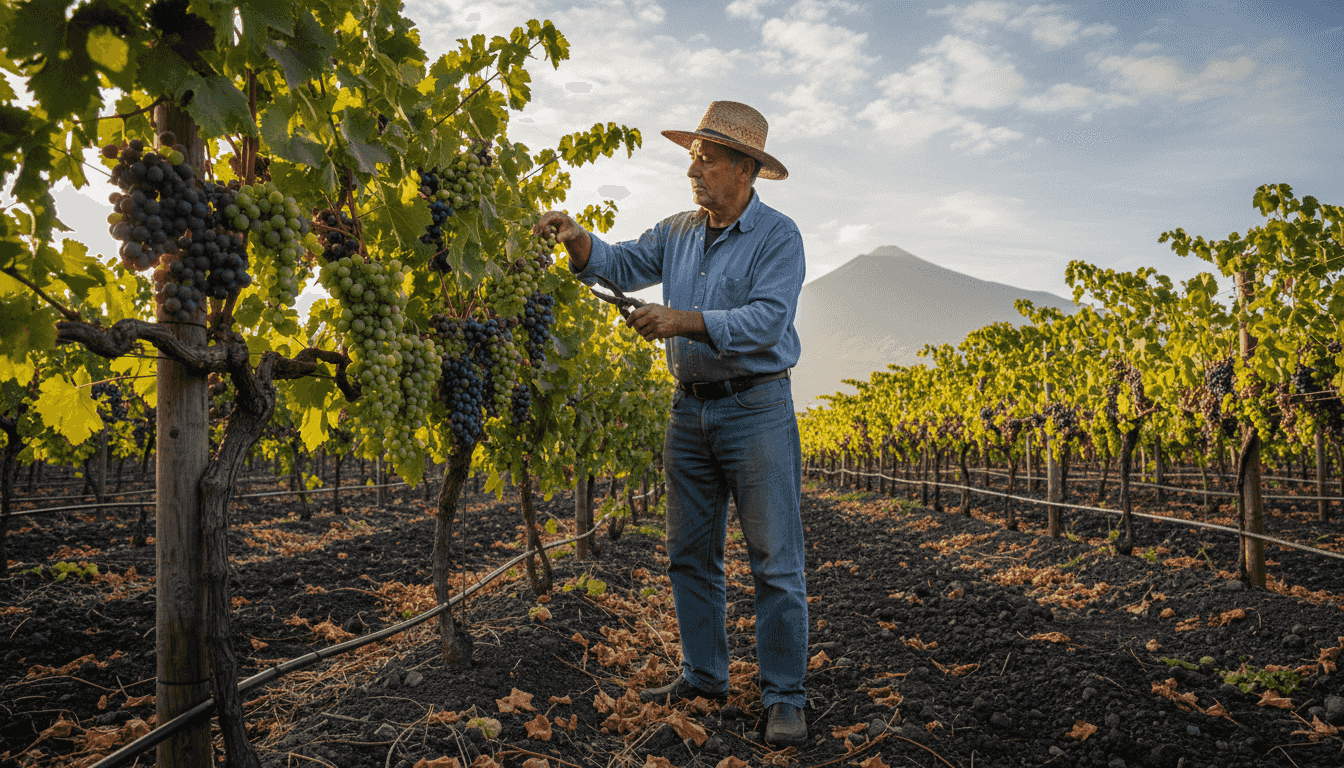

Over 60% of Sicilian vineyards rely on indigenous grape varieties like Nero d’Avola and Grillo, creating wines that express the island’s volcanic terroir and ancient winemaking traditions. Yet many travelers assume Sicilian wine means only bold reds or generic Italian varietals. This guide clarifies what defines Sicilian wine, from its unique grapes and volcanic soils to historical roots and practical tasting tips for your trip.
Table of Contents
- Introduction To Sicilian Wine: Defining What Makes It Distinct
- The Terroir Of Sicily: Volcanic Soils And Climate Influence
- Historical Roots And Traditional Winemaking Practices
- Common Misconceptions About Sicilian Wine
- Comparing Sicilian Wines To Other Italian Wines
- Travel Tips: What Sicilian Wines To Taste And Pair
- Experience The Best Of Sicily Through Its Wines And Culture
Key takeaways
| Point | Details |
|---|---|
| Indigenous grapes dominate | Nero d’Avola, Grillo, and Catarratto create distinct regional flavors |
| Volcanic terroir shapes profiles | Mount Etna’s soils and Mediterranean climate produce mineral, balanced wines |
| Ancient traditions influence style | Phoenician and Greek methods, including amphora fermentation, persist today |
| Misconceptions limit appreciation | Sicilian wine includes significant white production beyond red stereotypes |
| Practical tips enhance travel | Reading DOC labels and pairing with local cuisine deepens the experience |
Introduction to Sicilian wine: defining what makes it distinct
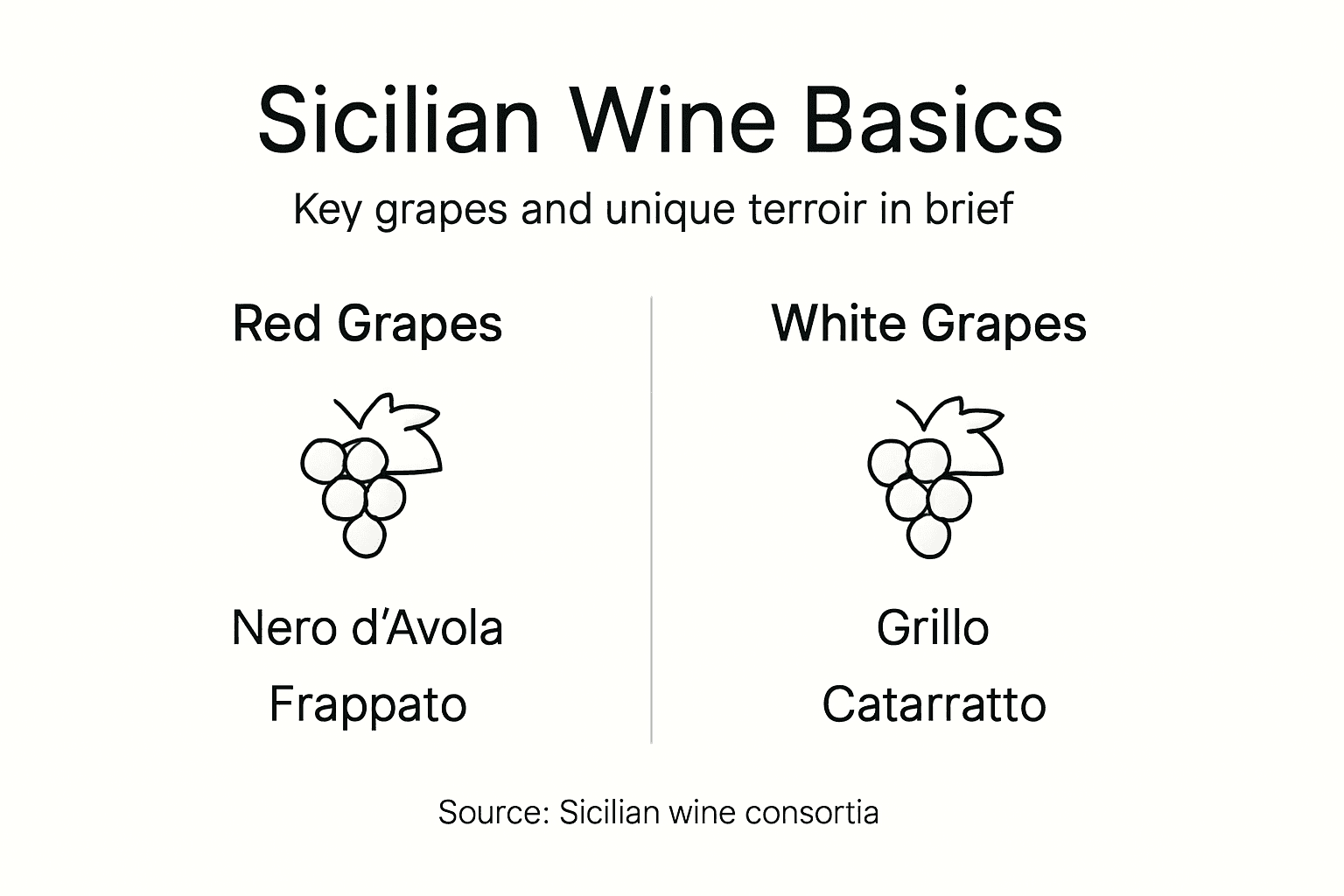
Sicily stands as Italy’s largest wine producing island, yet its identity remains deeply rooted in indigenous varieties rather than international trends. Sicilian wines are dominated by indigenous grape varieties like Nero d’Avola, Grillo, and Catarratto, which create distinct flavor profiles tied to local microclimates. This reliance on native grapes separates Sicilian wine from mainland Italian regions that often blend international varietals.
Nero d’Avola leads red wine production with its balanced fruit and spice notes. Grillo and Catarratto dominate white wine offerings, delivering citrus freshness and floral complexity. These grapes thrive in Sicily’s diverse microclimates, from coastal zones to volcanic slopes, each imparting unique mineral and fruit characteristics.
Sicilian wine’s distinction comes from three core elements:
- Indigenous grape focus: Over 60% of vineyard plantings use native varieties
- Terroir diversity: Volcanic soils, coastal breezes, and elevation create varied flavor profiles
- Cultural continuity: Ancient winemaking methods influence modern production techniques
Travelers seeking authentic Sicilian wine should prioritize bottles from established DOC regions like Etna, Cerasuolo di Vittoria, and Marsala. These designations guarantee regional authenticity and traditional production standards. Understanding these foundational elements helps you navigate Sicily’s wine landscape with confidence during your visit.
The terroir of Sicily: volcanic soils and climate influence
Sicily’s geography creates wine conditions found nowhere else in Italy. Mount Etna’s volcanic soils contribute minerals that influence the wine’s flavor; Mediterranean climate provides warm days and cool nights aiding grape ripening. This combination produces wines with pronounced minerality and balanced acidity that distinguish them from mainland Italian offerings.
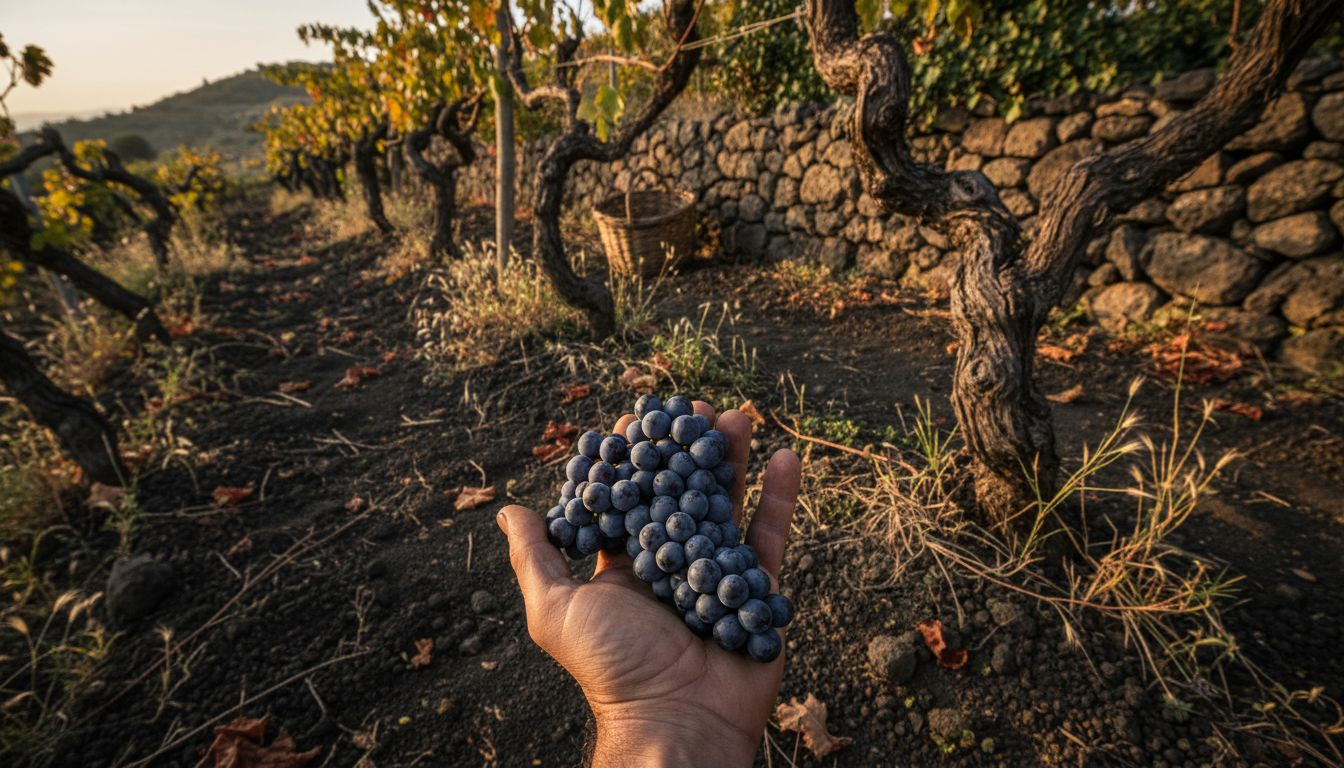
Volcanic terroir affects wine character in measurable ways. Etna’s lava based soils add iron, magnesium, and potassium to grape roots, creating mineral driven tasting notes in varieties like Nerello Mascalese and Carricante. The porous volcanic rock also provides excellent drainage, forcing vines to develop deep root systems that access diverse mineral layers.
Mediterranean climate patterns shape grape ripening across the island. Warm coastal days build sugar and fruit intensity, while cool evening temperatures preserve acidity and aromatic compounds. This diurnal temperature swing produces wines with both ripe fruit character and refreshing structure.
Sicilian wine regions showcase distinct microclimates:
- Etna: High elevation vineyards produce elegant, mineral driven reds and whites
- Western coast: Warmer temperatures yield fuller bodied reds with ripe fruit profiles
- Southeast plains: Moderate climate creates balanced wines with integrated tannins
Pro Tip: When selecting Sicilian wine, check the bottle for regional origin. Etna wines typically show more mineral notes and higher acidity, while western Sicilian wines offer riper fruit and softer tannins. This terroir knowledge helps you match wine style to your flavor preferences.
Travelers who experience Sicily’s terroir firsthand gain deeper appreciation for how geography translates to glass. Visiting vineyards at different elevations and coastal zones reveals the dramatic terroir variations within a single island.
Historical roots and traditional winemaking practices
Sicilian winemaking dates back over 3,000 years to Phoenician and Greek colonization periods. These ancient civilizations established viticulture techniques that shaped the island’s wine identity. Greeks introduced amphora fermentation and aging methods that preserved wine character without oak influence. Phoenicians developed maritime trade routes that spread Sicilian wine across the Mediterranean.
Traditional fermentation using amphorae has been revived by boutique producers and reflects the island’s deep historical winemaking roots. Modern winemakers rediscovering these methods find that clay vessels allow micro oxygenation without adding flavor, preserving indigenous grape characteristics more faithfully than stainless steel or oak barrels.
Historical winemaking practices still influence Sicilian wine production:
- Amphora aging: Clay vessels provide gentle oxidation while maintaining fruit purity
- Bush vine training: Ancient low training systems protect grapes from intense sun
- Extended skin contact: Traditional red wine methods extract color and tannin slowly
- Natural fermentation: Wild yeasts from vineyard environments create regional flavor signatures
Pro Tip: Seek out authentic Sicilian winemaking tours that feature producers using amphora fermentation or ancestral vine training methods. These experiences connect you directly to winemaking traditions spanning millennia.
The Roman Empire expanded Sicilian wine production significantly, establishing the island as a major Mediterranean supplier. Medieval Arab rule introduced irrigation techniques that improved vineyard management in arid regions. Each historical period layered new practices onto existing traditions, creating the complex winemaking culture travelers encounter today.
Common misconceptions about Sicilian wine
Many travelers arrive in Sicily with incomplete or mistaken ideas about the island’s wine offerings. The most persistent myth suggests Sicilian wine consists primarily of heavy, alcoholic reds dominated by Nero d’Avola. Sicilian white wines are significant and distinct, and Nero d’Avola is a unique indigenous grape, not a generic Italian red.
White wine production represents nearly 40% of Sicilian output, with varieties like Grillo, Carricante, and Catarratto creating fresh, aromatic wines suited to coastal cuisine. Grillo produces minerally whites with citrus and herbal notes, while Carricante from Etna delivers high acidity and floral complexity. These whites pair naturally with seafood dishes central to Sicilian gastronomy.
Common Sicilian wine misconceptions corrected:
- Myth: All Sicilian wine is red → Reality: Significant white production using distinctive indigenous grapes
- Myth: Nero d’Avola is just Italian red wine → Reality: Unique Sicilian variety with specific fruit and spice profile
- Myth: Sicilian wine lacks quality standards → Reality: DOC and DOCG systems ensure regional authenticity
- Myth: Only sweet Marsala represents Sicilian wine → Reality: Dry table wines dominate modern production
- Myth: Volcanic wines taste burnt or smoky → Reality: Volcanic terroir adds minerality, not smoke flavor
DOC (Denominazione di Origine Controllata) and DOCG (Denominazione di Origine Controllata e Garantita) labels guarantee wines meet strict regional and production standards. DOCG represents the highest quality tier, with regions like Cerasuolo di Vittoria earning this designation. Reading these labels helps travelers identify authentic Sicilian wines and avoid generic Italian blends.
Understanding these corrections allows you to explore Sicily’s full wine spectrum during your visit. Apply essential travel tips for Sicily to plan tastings that showcase both red and white indigenous varieties.
Comparing Sicilian wines to other Italian wines
Sicilian wines occupy a distinct position within Italy’s wine landscape due to indigenous grape dominance and Mediterranean climate influence. Sicilian wines feature higher indigenous grape use and more pronounced fruit forward styles compared to many mainland Italian wines. While Tuscany and Piedmont blend international varieties like Cabernet Sauvignon and Merlot, Sicily maintains focus on native grapes that express regional terroir.
Mediterranean climate creates riper fruit profiles in Sicilian wines compared to cooler northern Italian regions. This warmth produces wines with more immediate fruit intensity and softer tannins than Barolo or Chianti Classico. The volcanic minerality found in Etna wines, however, adds complexity that balances the ripe fruit character.
| Feature | Sicilian Wines | Mainland Italian Wines |
|---|---|---|
| Indigenous grapes | 60%+ vineyard plantings | 30-40% typical |
| Climate influence | Mediterranean warmth, volcanic soils | Cooler continental, varied soils |
| Flavor profile | Fruit forward with mineral notes | Structured, earth driven |
| Quality designation | DOC, DOCG (Etna, Cerasuolo) | DOC, DOCG (Barolo, Brunello) |
| White wine focus | Grillo, Carricante | Pinot Grigio, Vermentino |
Distinctive features travelers should recognize in Sicilian wines:
- Pronounced fruit ripeness: Warmer climate produces fuller bodied wines with ripe berry and citrus flavors
- Volcanic minerality: Etna wines show distinct mineral notes absent in most mainland regions
- Indigenous variety character: Nero d’Avola and Grillo offer flavors unavailable in international grape wines
- Coastal freshness: Sea breezes preserve acidity in white wines despite warm temperatures
These differences reflect Sicily’s unique position as a Mediterranean island with volcanic geology. The unique Sicilian cultural experiences extend beyond wine to food traditions that pair naturally with local varieties. Understanding regional distinctions helps you appreciate what makes Sicilian wine worth seeking out during your travels.
Travel tips: what Sicilian wines to taste and pair
Navigating Sicily’s wine offerings requires knowing which varieties to prioritize and how to identify quality bottles. Nero d’Avola remains the essential red grape to taste, offering balanced fruit, spice, and moderate tannins that pair with grilled meats and aged cheeses. Grillo and Catarratto represent the white wine spectrum, with Grillo providing more body and mineral notes suited to seafood pasta, while Catarratto offers lighter citrus character ideal for raw seafood.
Food pairings enhance Sicilian wine appreciation significantly. Nero d’Avola complements tomato based dishes like pasta alla Norma and grilled swordfish with salsa. Grillo pairs naturally with seafood couscous and fried calamari. Carricante from Etna matches perfectly with sea urchin pasta and grilled octopus due to its high acidity and mineral backbone.
Reading wine labels ensures you select authentic regional bottles. Look for these quality indicators:
- DOC designation: Confirms wine meets regional production standards
- DOCG label: Indicates highest quality tier with strict regulations
- Regional origin: Etna, Cerasuolo di Vittoria, or Marsala guarantee specific terroir
- Vintage year: Recent vintages (2023-2026) show current winemaking styles
How to select wines on a tasting tour:
- Start with white wines to calibrate your palate before moving to reds
- Request wines from different elevations to compare terroir influence
- Ask about indigenous varieties rather than international grapes
- Note volcanic soil origins when tasting Etna wines for mineral character
- Pair each wine with local cheeses or cured meats for context
Pro Tip: Prioritize wines from volcanic soil vineyards, especially on Mount Etna, to taste the most distinctive Sicilian terroir expressions. These wines show pronounced minerality and structure that set them apart from coastal region offerings.
Practical wine selection combines quality indicators with food context. Pairing Sicilian wines with local food creates memorable experiences that showcase how indigenous grapes complement regional ingredients. Apply travel tips for Sicily wine tasting to plan visits that balance vineyard tours with culinary exploration.
Local Sicilian wine experiences connect you with small producers who maintain traditional methods while producing world class wines. These intimate tastings reveal the passion and knowledge behind each bottle you encounter.
Experience the best of Sicily through its wines and culture
Sicilian wine offers an authentic entry point into the island’s cultural heritage, connecting ancient traditions with modern gastronomy. Understanding indigenous grapes, volcanic terroir, and historical winemaking methods transforms casual tasting into meaningful cultural exploration.

Sicilian Traveler specializes in booking authentic Sicily tours that combine wine experiences with broader cultural immersion. Our curated experiences connect you with boutique winemakers, traditional trattorias, and historical sites that reveal Sicily’s layered identity. We provide essential Sicily travel tips covering logistics, timing, and insider recommendations for wine focused itineraries. Discover Sicilian cuisine through our guides that explain how food and wine traditions developed together over millennia, creating the perfect pairing opportunities you’ll encounter during your visit.
FAQ
What is the best red wine grape variety to try in Sicily?
Nero d’Avola is Sicily’s signature red grape, known for balanced fruit and spice character with moderate tannins. This indigenous variety expresses Sicilian terroir clearly and pairs naturally with local cuisine. Travelers should prioritize Nero d’Avola tastings to understand the island’s red wine identity.
Are there notable white wines from Sicily I should try?
Yes, Grillo and Carricante offer fresh citrus and floral notes worth seeking out during your visit. Grillo provides more body and mineral character, while Carricante from Etna delivers high acidity and elegance. Both varieties pair excellently with Sicily’s abundant seafood dishes.
How can I read Sicilian wine labels to ensure authenticity?
Look for DOC or DOCG designations on labels to confirm regional quality and authenticity. The DOCG label indicates the highest quality tier for Sicilian wines with the strictest production regulations. Regional names like Etna, Cerasuolo di Vittoria, or Marsala further guarantee specific terroir expressions. Avoid bottles without these quality indicators when seeking authentic Sicilian wine experiences.
Can I visit wineries that use traditional winemaking methods?
Yes, boutique wineries using amphora fermentation and ancestral vine training welcome visitors interested in historical techniques. These producers maintain winemaking traditions dating back to Phoenician and Greek periods. Book authentic winemaking tours to access small family estates that prioritize traditional methods over industrial production.