Walking through a Sicilian street market is like stepping into the beating heart of the island’s culture. The lively colors, the cacophony of vendors’ calls, the intoxicating aromas of fresh produce and street food - these markets aren’t just places to shop; they’re living museums where centuries of Sicilian traditions continue to thrive.
As a local who has spent countless mornings haggling over fresh fish and afternoons sipping espresso while watching market life unfold, I’m excited to share this authentic slice of Sicilian culture with you. These markets offer a window into our daily life that no museum or guided tour could ever replicate.
The Historical Significance of Markets in Sicilian Culture
Markets have been the lifeblood of Sicilian communities since Arab merchants established the first suq (marketplace) in Palermo during the 9th century. These trading hubs became melting pots where different cultures exchanged not just goods but ideas, languages, and traditions.
What makes Sicilian markets unique is their remarkable continuity - many operate in the same locations and follow traditions established nearly a millennium ago. As you navigate the narrow alleyways of Ballarò or Capo in Palermo, you’re walking the same paths merchants have traveled for centuries.
This historical continuity reflects Sicily’s resilience. Through Spanish domination, unification with Italy, two World Wars, and economic challenges, our markets have remained steadfast cultural anchors. For Sicilians, the market is more than a place to buy food - it’s where community happens, where information is exchanged, and where our cultural identity is preserved and strengthened daily.
Palermo’s Iconic Markets: The Big Three
Ballarò: The Most Authentic Experience
If you want to witness a market that hasn’t changed its essence in centuries, Ballarò is your destination. Located in the heart of Palermo’s historic Albergheria district, this is Sicily’s oldest and most lively market.
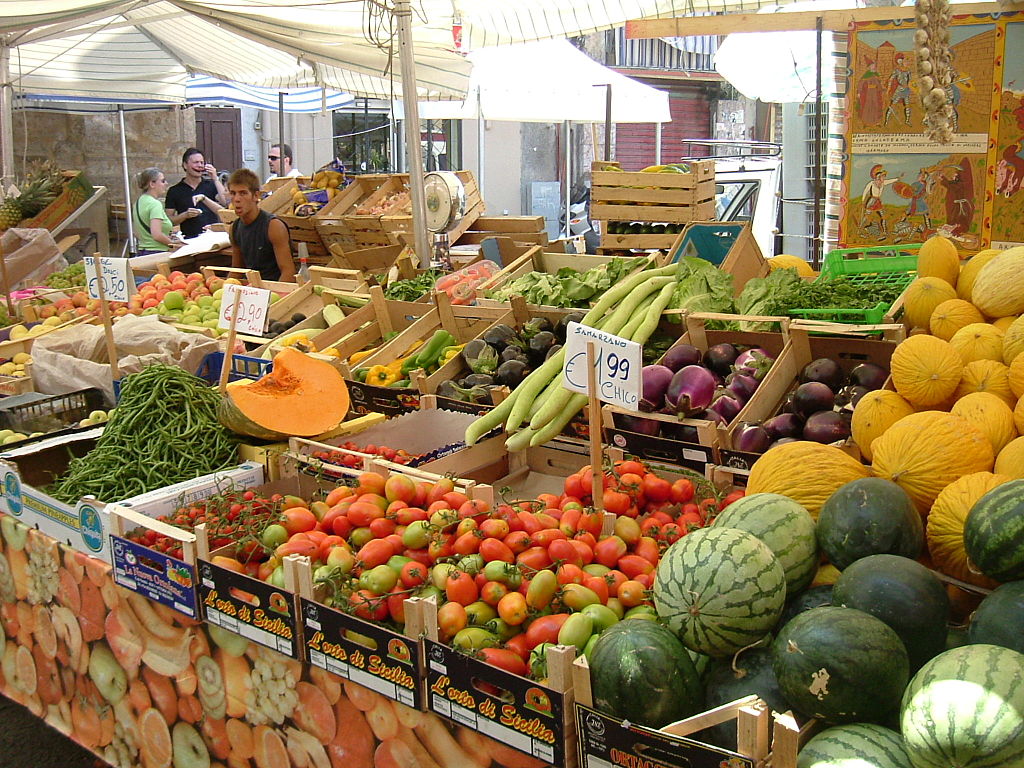
What strikes me every time I visit Ballarò is the sensory overload - vendors shouting their sales pitches in musical Sicilian dialect (abbanniata), the pungent smell of just-caught fish, and the rainbow display of local produce. Here, you’ll find everything from locally grown vegetables to exotic spices introduced during Arab rule.
The market stretches from Piazza Casa Professa toward Corso Tukory, and I recommend visiting between 8-11 AM when it’s most lively. Don’t miss the street food section where you can try panelle (chickpea fritters) and sfincione (Palermitan thick-crust pizza) from vendors whose recipes have been passed down for generations.
Capo: Where Locals Shop
While slightly less chaotic than Ballarò, Capo offers an equally authentic experience with a stronger focus on fresh produce. Located between Via Volturno and Porta Carini, this market winds through narrow medieval streets where sunlight barely penetrates between the buildings.
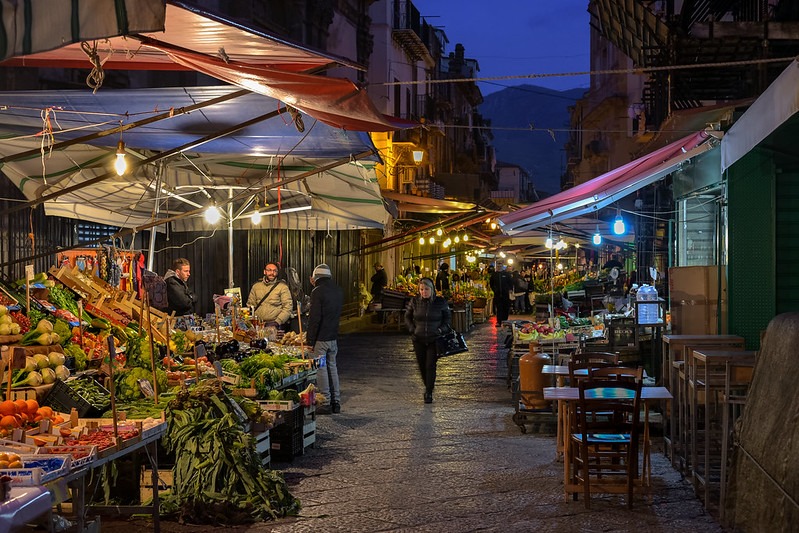
What I love about Capo is the relationship between vendors and local customers. Visit on a weekday morning, and you’ll see elderly Palermitans greeting their favorite vendors by name, discussing recipes, and receiving special cuts of meat or the freshest figs held aside, especially for them.
The entrance arch at Porta Carini provides a perfect photo opportunity, and the market’s proximity to the Teatro Massimo makes it an easy addition to your Palermo itinerary.
Vucciria: From Trading Hub to Nightlife Center
The story of La Vucciria is fascinating - once Palermo’s busiest marketplace, it has transformed over recent decades. While fewer food stalls remain active during the day (primarily near Piazza Caracciolo), the area has reinvented itself as a lively nightlife district.
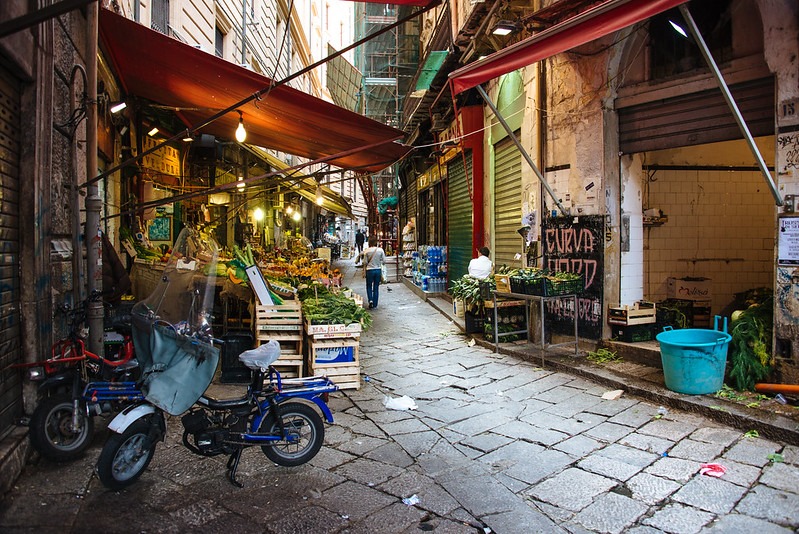
During the day, you can still find excellent seafood vendors and butchers, but the real transformation happens after sunset. The abandoned market stalls become makeshift bars, local restaurants set up outdoor grills, and the squares fill with young Palermitans and visitors enjoying street food, cheap drinks, and lively conversation.
Vucciria demonstrates how our markets evolve while maintaining their role as social hubs. If you visit in the evening (especially Thursday through Saturday), you’ll experience a modern interpretation of the market’s historical function as a gathering place.
Catania’s Pescheria: A Seafood Paradise
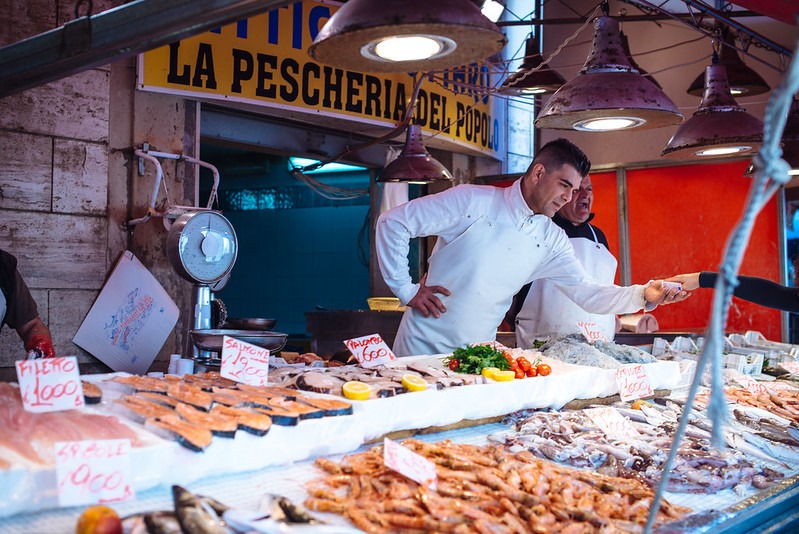
No discussion of Sicilian markets would be complete, without mentioning Catania’s spectacular fish market. Located behind Piazza Duomo near the port, ‘A Piscaria has been the city’s seafood hub for generations.
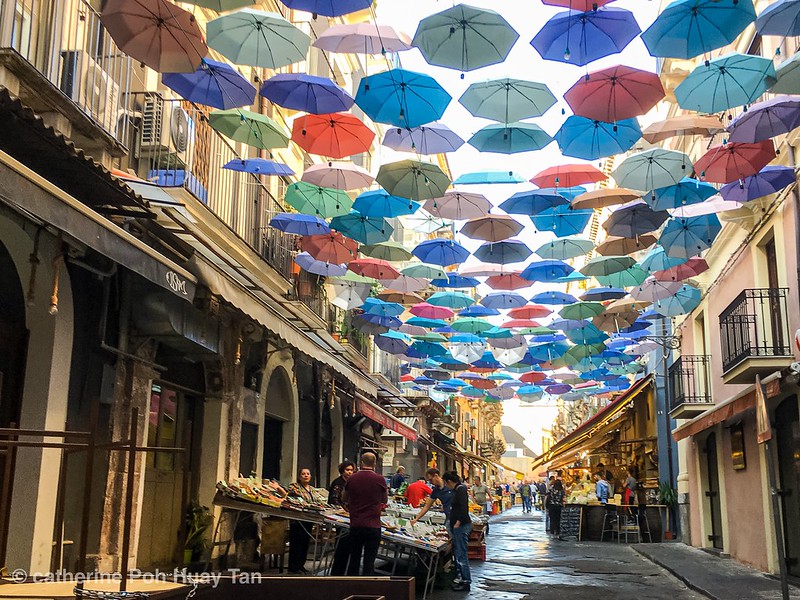
What makes this market special is its theatrical atmosphere - vendors display their catch on beds of ice, calling out to customers with Catanian humor and dramatic flair. The cobblestones run wet with seawater and melted ice, and the air is thick with the scent of the Mediterranean.
Visit early (7-9 AM) to see fishmongers auctioning off massive swordfish, tuna, and local specialties like neonato (tiny newborn fish eaten fresh or fried). The market expands beyond seafood to include produce, cheese, and meat vendors in the surrounding streets.
After exploring, stop at one of the small restaurants bordering the market that prepare fresh seafood purchased just steps away. I recommend Osteria Antica Marina for the most authentic experience.
Beyond the Big Cities: Regional Markets Worth Discovering
Siracusa’s Market: Ancient Traditions on Ortigia Island
Tucked into the narrow streets of Ortigia, Siracusa’s market offers a more intimate experience than its bigger counterparts in Palermo and Catania. What makes this market special is its setting amidst ancient Greek ruins and baroque architecture.
Visit between 7 AM and 1 PM (except Sundays) to find vendors selling pistachios from Bronte, honey from Sortino, and almonds from Avola - all local specialties from the surrounding region. The cheese section shows excellent Ragusano DOP and ricotta salata, essential ingredients in traditional Sicilian cooking.
Marsala’s Market: Where Arab Influences Remain
Every Tuesday and Saturday, the streets around Via Mazara in Marsala transform into a busy market that particularly shows western Sicily’s Arab influences. Beyond the usual produce and seafood, you’ll find vendors selling North African spices, couscous ingredients, and unique ceramics that reflect the historical connection between western Sicily and Tunisia.
Did you know that Marsala is also a great place for wine lovers?
Scicli’s Farmers Market: Rural Sicily at Its Best
For a glimpse of rural Sicilian market traditions, visit Scicli’s Saturday market in the baroque southeastern corner of Sicily. Local farmers bring produce directly from their fields, often transported by the traditional three-wheeled Ape vehicles that remain common in Sicily’s countryside.
What makes this market special is the opportunity to find heirloom varieties of vegetables and fruits that haven’t been commercialized - like the cucumber-shaped white eggplant or the wrinkled tomatoes specifically grown for sauce-making.
What to Buy: Local Delicacies, Crafts, and Souvenirs
Markets offer the perfect opportunity to discover authentic Sicilian products that make perfect souvenirs or gifts. Here’s my local guide to market shopping:
Food Products That Travel Well
- Dried herbs: Look for wild fennel, oregano, and rosemary bundles that Sicilian grandmothers hang to dry.
- Preserved foods: Jarred caponata, sun-dried tomatoes in olive oil, and salted capers keep well and capture authentic Sicilian flavors.
- Nuts: Pistachios from Bronte, almonds from Avola, and hazelnuts from Nebrodi showcase Sicily’s exceptional nut cultivation.
- Pantry staples: Busiate pasta from Trapani, ancient grain flours from central Sicily, and artisanal sea salt from Trapani’s salt pans.
Crafts and Household Items
Markets aren’t just for food - look for these authentic Sicilian crafts:
- Kitchen items: Hand-carved olive wood utensils and traditional ceramic spoon rests make practical souvenirs.
- Woven goods: Straw bags and hats crafted using ancient techniques are both authentic and fashionable.
- Small ceramics: While the finest ceramics come from dedicated workshops, markets often feature small pieces like espresso cups or olive dishes.
Fresh Items to Enjoy During Your Stay
If you have accommodation with kitchen access, markets offer the chance to cook like a local:
- Seasonal produce: Sicilian fruits and vegetables taste nothing like their supermarket counterparts elsewhere.
- Cheese: Fresh ricotta, primosale (young cheese), and pecorino varieties make simple but exceptional meals.
- Seafood: If you can cook it the same day, there’s nothing like preparing fish that was swimming in the Mediterranean just hours earlier.
Etiquette and Bargaining Tips from a Local
Understanding market culture will enhance your experience and help you shop like a Sicilian:
When to Bargain (and When Not To)
Despite what some travel guides suggest, aggressive bargaining isn’t actually common in Sicilian food markets. Prices for fresh produce and seafood are generally fair and often displayed. The exception is at the end of the day when vendors might offer discounts on remaining items.
Where bargaining is expected:
- Clothing, accessories, and non-food items at markets
- When buying in bulk or spending significant amounts
- If you’re a regular customer establishing a relationship
How to bargain respectfully:
- Start by asking “Quanto costa?” (how much?)
- Express slight surprise at the price
- Make a counter-offer about 30% lower
- Be prepared to meet somewhere in the middle
- Always keep it friendly and good-humored
Interacting with Vendors
A few words in Italian or Sicilian go a long way. Try these phrases:
- “Buongiorno/Buonasera” (good morning/evening)
- “Per favore” (please)
- “Grazie” (thank you)
- “Quanto costa?” (how much is it?)
- “È fresco?” (is it fresh?)
Most vendors appreciate customers who express interest in their products. Don’t be surprised if asking about an unusual vegetable or fish results in a detailed explanation and cooking suggestions. These interactions are a valuable part of the market experience.
What are the best times to visit Street Markets in Sicily?
Timing your visit can dramatically change your market experience:
Early Morning (6-8 AM)
This is when restaurants and locals shop for the freshest selection. You’ll see the best products and the most authentic local interactions, but be prepared for crowds and busy vendors.
Mid-Morning (8-11 AM)
The sweet spot for visitors - still plenty of products available, but slightly calmer atmosphere and more time for interaction with vendors.
Late Morning/Early Afternoon (11 AM-1 PM)
Markets begin winding down, with some vendors offering discounts on remaining items. Less crowded but also less selection.
Market Days and Hours
- Palermo markets: Operate daily except Sunday, but some vendors take Monday off. Best days are Tuesday through Saturday.
- Catania fish market: Tuesday through Saturday, 7 AM-2 PM, with 7-10 AM being the most active period.
- Siracusa market: Monday through Saturday, 7 AM-1 PM.
- Smaller town markets: Often operate only on specific days (typically Tuesday and/or Saturday).
A key local tip: Always confirm market days if visiting smaller towns, as schedule changes can occur during holidays or local festivals.
Street Food Opportunities at Sicilian Markets
Markets aren’t just for shopping - they’re some of the best places to experience authentic Sicilian street food:
What to Try in Palermo’s Markets
- Panelle and crocchè: Chickpea fritters and potato croquettes, often served in a sesame-topped bun as “pani ca meusa.”
- Sfincione: Thick, spongy pizza topped with tomato, onions, anchovies, and breadcrumbs.
- Pani ca meusa: For the adventurous, this spleen sandwich is a true Palermitan specialty found primarily at Capo and Ballarò.
- Arancine: Rice balls stuffed with ragù, ham and cheese, or other fillings, then fried to golden perfection.
Catania’s Market Specialties
- Cipollina: Puff pastry filled with tomato, onion, and cheese.
- Arancini: In Catania, they’re conical-shaped (representing Mt. Etna) and called arancini rather than Palermo’s arancine.
- Sicilian-style seafood: Small paper cones of fried seafood fresh from the market stalls.
Market Dining Strategies
- Follow locals to find the best food stalls - long lines of Sicilians usually indicate exceptional quality.
- Look for vendors who cook right in front of you.
- Eat standing up as locals do - few street food vendors have seating.
- Try multiple small portions rather than one large meal to experience more variety.
Photography Guide: Capturing the Lively Atmosphere
Markets offer incredible photography opportunities, but it’s important to approach photography respectfully:
Tips for Market Photography
- Ask permission: While public market scenes are generally acceptable to photograph, always ask before taking close-up portraits of vendors or their stalls.
- Buy something: If you want to photograph a specific vendor or stall in detail, make a small purchase first.
- Visit during golden hour: Early morning light creates beautiful atmosphere, especially in outdoor sections of markets.
- Look for details: Beyond the wide market scenes, focus on hands exchanging money, the textures of foods, or the patterns created by displayed vegetables.
- Capture interaction: The relationships between vendors and customers tell the real story of Sicilian markets.
Best Vantage Points
- Ballarò: The entrance near Chiesa del Carmine offers a sweeping view down the market street.
- Capo: The archway at Porta Carini frames the market entrance perfectly.
- Catania fish market: The steps above the market provide an overview of the entire scene.
- Ortigia market: The intersection with Via Cavour offers multiple composition possibilities.
The Future of Sicilian Markets: Challenges and Adaptation
Like traditional markets worldwide, Sicilian markets face challenges from changing shopping habits, supermarkets, and demographic shifts. Yet they show remarkable resilience through adaptation:
- Catering to tourism: Many vendors now offer vacuum-packing services or shipping for international visitors.
- Extended hours: Some market areas have expanded into evening hours with street food and social activities.
- New generation vendors: Young Sicilians are returning to market traditions, often adding modern touches like organic certification or social media presence.
- Cultural preservation: Local governments increasingly recognize markets as cultural heritage worth protecting.
Practical Information for Market Visitors
Getting There
- Palermo markets: All three major markets are within walking distance of the historic center.
- Catania fish market: Located directly behind Piazza Duomo, easily accessible on foot.
- Siracusa market: On Ortigia island, near the bridge connecting to the mainland.
What to Bring
- Cash (smaller denominations preferred)
- Reusable shopping bag
- Camera
- Water bottle
- Hand sanitizer
Market Vocabulary
- Quanto costa? - How much does it cost?
- Un etto - 100 grams (standard quantity for cured meats and cheese)
- Un chilo - One kilogram
- Fresco - Fresh
- Di stagione - In season
- Locale - Local
Conclusion: Markets as the Gateway to Sicilian Culture
In a world of increasing homogenization, Sicilian markets remain stubbornly, gloriously authentic. They connect visitors directly to the island’s agricultural traditions, culinary heritage, and the everyday rhythms of Sicilian life.
As you plan your Sicily itinerary, I encourage you to carve out time for market exploration. Wake up early one morning, follow the locals to their favorite vendors, try something unfamiliar, and engage in conversation. These market experiences will likely become some of your most vivid and lasting memories of Sicily.
Visit in the morning, carry small change and avoid blocking busy stalls while you browse. The markets remain everyday places for shopping and conversation, so treating them as working neighbourhood spaces makes for a better visit.
Have you visited a Sicilian market? Share your experience in the comments below or ask any questions about planning your market visit. I’m happy to provide specific recommendations based on your Sicily itinerary!