
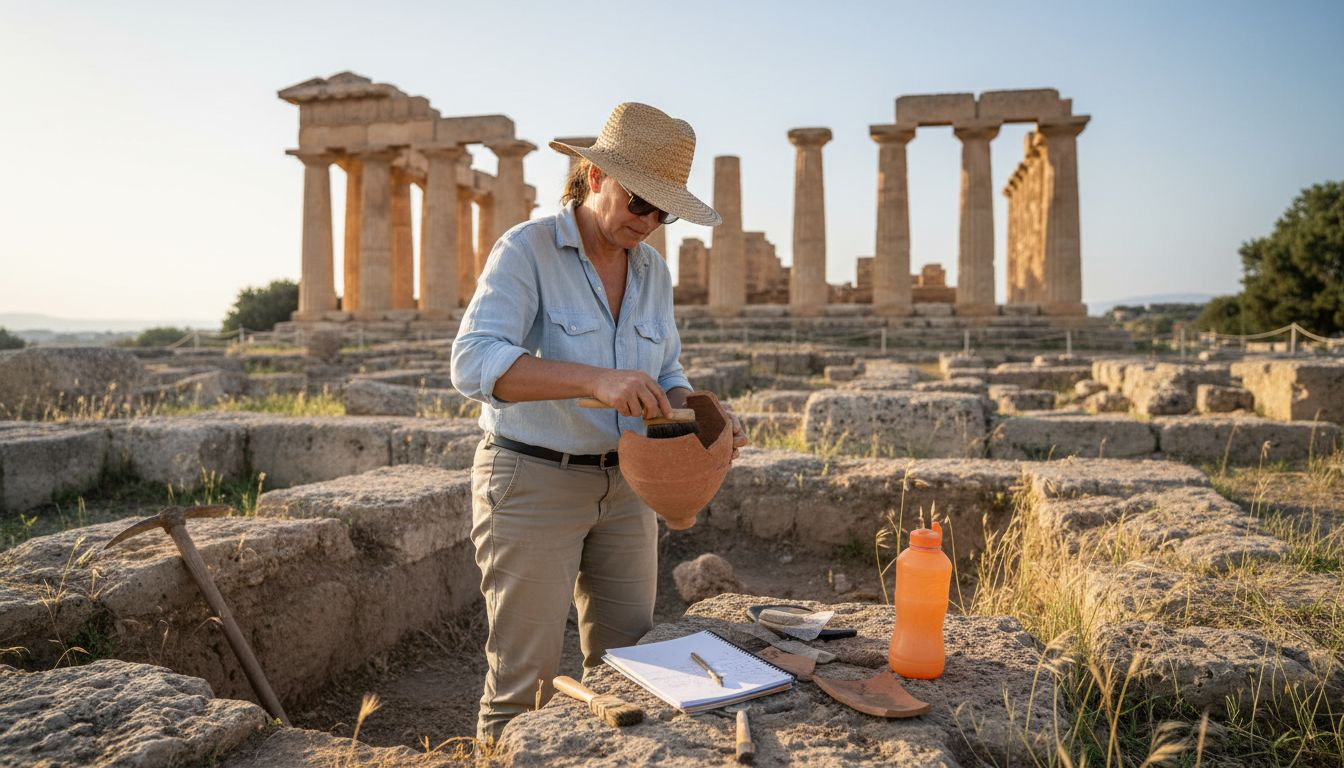

Sicily’s archaeological record stretches back over 16,500 years, revealing a timeline far deeper than most travelers realize. This island served as a Mediterranean crossroads where African, Near Eastern, and European cultures blended across millennia. Understanding Sicily’s archaeological heritage transforms casual sightseeing into meaningful cultural engagement, offering insights that enrich every temple visit and coastal exploration.
Table of Contents
- Early Human Occupation And Archaeological Foundations
- Sicily As A Mediterranean Crossroads: Archaeological Insights
- Medieval Archaeology And Cultural Evolution
- Common Misconceptions And Corrected Views
- Ecological And Environmental Insights From Archaeology
- Key Archaeological Sites And Their Stories
- Community Engagement And Cultural Tourism
- Explore Sicily’s Heritage With Expert Guidance
- Frequently Asked Questions About Archaeology In Sicily
Key takeaways
| Point | Details |
|---|---|
| Ancient settlement timeline | Earliest human occupation dates to approximately 16,500 years ago based on San Teodoro cave evidence. |
| Cultural crossroads evidence | Archaeological and genetic studies reveal Sicily as a Mediterranean meeting point for diverse populations. |
| Medieval complexity | Seven centuries of Byzantine, Islamic, and Norman archaeology showcase rich cultural evolution. |
| Myth correction | Evidence disproves sharp cultural boundaries, showing continuous integration between ancient groups. |
| Environmental insights | Archaeological research reveals species extinctions, shoreline changes, and ecological shifts tied to human activity. |
Early human occupation and archaeological foundations
The earliest human occupation dates to around 16,500 years ago based on findings from San Teodoro cave near Acquedolci. This site yielded lithic tools and archaeobotanical remains that paint a picture of hunter-gatherer communities adapting to Sicily’s unique environment. During the Last Ice Age, the island functioned as a glacial refuge where temperate flora thrived, supporting these early populations.
These foundational discoveries establish Sicily’s continuous human story. Archaeologists recovered stone implements showing sophisticated tool-making techniques alongside plant remains that reveal dietary patterns. The environmental data tells us Sicily wasn’t just habitable but actually favorable during periods when much of Europe remained frozen.
Visitors walking through archaeological sites today literally stand on layers representing 16 millennia of human activity. This temporal depth sets Sicily apart from many Mediterranean destinations. Understanding this timeline helps you recognize that every hillside, valley, and coastal plain potentially conceals evidence of ancient lifeways.
Pro Tip: When visiting archaeological sites, ask guides about the different occupation layers. Many sites show evidence from multiple periods, and recognizing these stratigraphic distinctions deepens your appreciation for Sicily’s continuous habitation story.
Exploring these early chapters prepares you for richer experiences at Sicily’s museums and excavation sites. The essential Sicily travel tips can help you plan visits that prioritize these archaeological treasures.
Sicily as a Mediterranean crossroads: archaeological insights
Archaeology reveals Sicily’s position as a cultural nexus where populations mixed for thousands of years. Four decades of archaeogenetic evidence shows population admixture from African, Near Eastern, and European sources, creating a genetic and cultural mosaic unmatched in the Mediterranean. Material culture artifacts demonstrate this blending through pottery styles, architectural techniques, and burial practices that borrow from multiple traditions.
Rather than isolated cultural groups replacing each other, the evidence points to continuous interaction and integration. Phoenician traders didn’t simply colonize empty land. They encountered established communities and created hybrid cultures. Greek settlers arrived to find sophisticated societies already engaged in Mediterranean trade networks.
This understanding corrects simplistic narratives of cultural conquest and replacement. You see it in ceramic assemblages that combine indigenous forms with imported decorative techniques. Architectural remains blend local building methods with foreign influences. Burial goods show personal identities that embraced multiple cultural traditions simultaneously.
| Cultural Influence | Primary Period | Key Archaeological Evidence |
|---|---|---|
| Indigenous Sicilian | 16,500 BCE – 750 BCE | Lithic tools, cave settlements, Bronze Age villages |
| Phoenician | 900 BCE – 300 BCE | Trading posts, pottery, inscriptions |
| Greek | 750 BCE – 200 BCE | Temple complexes, theaters, urban planning |
| Roman | 241 BCE – 476 CE | Villas, amphitheaters, road systems |
| Byzantine | 535 CE – 965 CE | Churches, fortifications, religious artifacts |
| Islamic | 827 CE – 1091 CE | Agricultural innovations, architectural elements |
| Norman | 1061 CE – 1194 CE | Cathedrals, castles, administrative buildings |
Understanding Sicily as a crossroads rather than a destination reshapes how you interpret archaeological sites. Each location tells stories of negotiation, adaptation, and creative cultural synthesis. The Palermo cultural landmarks exemplify this layered heritage through architecture and artifacts spanning multiple civilizations.
Medieval archaeology and cultural evolution
Medieval archaeology unveils complex social structures across seven centuries from Byzantine through Norman rule. Excavations reveal how communities adapted to changing political powers while maintaining cultural continuity. Material culture from this period shows economic patterns, religious practices, and daily life details that written records often miss.
Byzantine period artifacts demonstrate administrative sophistication and religious devotion. Islamic era findings reveal agricultural innovations like irrigation systems that transformed Sicily’s productivity. Norman archaeology shows architectural fusion where Arabic geometric patterns appear alongside Christian iconography in the same buildings.
Settlement patterns shifted dramatically during these transitions. Coastal communities relocated inland during periods of instability, then returned when security improved. Agricultural intensification left traces in terracing systems and storage facilities. Trade networks expanded and contracted based on political alliances, visible in pottery distributions and coin hoards.
- Byzantine defensive structures reveal strategic concerns about naval threats
- Islamic agricultural terracing introduced crops and farming techniques still used today
- Norman castle construction employed skilled workers from multiple cultural backgrounds
- Ceramic evidence shows continuous production despite political upheavals
- Religious architecture reflects theological debates and power dynamics
Pro Tip: Medieval sites often feature multilingual inscriptions and architectural elements from different traditions. Take time to identify these hybrid features, as they reveal how ordinary Sicilians navigated cultural transitions in daily life.
These archaeological insights connect directly to modern Sicilian identity. Contemporary cuisine, architecture, and social customs trace roots to medieval cultural blending. When exploring Palermo’s cultural sites, you encounter living evidence of these historical processes.
Common misconceptions and corrected views
Popular narratives often portray ancient Sicilian cultures as sharply divided ethnic groups competing for territory. Archaeological evidence contradicts this oversimplification. Research shows no significant cultural boundaries existed between indigenous groups before and after Greek and Phoenician contact. Instead, communities maintained fluid identities shaped by trade, intermarriage, and cultural exchange.
The misconception of isolated, pure cultures stems partly from ancient written sources that emphasized differences for political purposes. Archaeological material culture tells a different story. Pottery assemblages mix styles freely. Burial practices show individuals with grave goods from multiple traditions. Settlement layouts reveal integrated communities rather than segregated ethnic quarters.
Another common error involves interpreting all cultural change as conquest or replacement. Archaeology reveals gradual adoption of new practices alongside retention of traditional customs. When Greek architectural styles appear in indigenous settlements, it reflects voluntary adoption and adaptation rather than forced assimilation. Communities chose which innovations to embrace based on practical benefits and cultural compatibility.
Ceramic evidence particularly challenges simplistic interpretations. Archaeologists once classified pottery types as ethnic markers, assuming each style represented a distinct population. Detailed analysis now shows individual workshops produced multiple styles simultaneously, and households used diverse ceramic traditions without concern for cultural purity.
- Archaeological layers show continuous occupation through supposed conquest periods
- Genetic evidence reveals gradual population mixing rather than replacement events
- Material culture demonstrates selective adoption of foreign practices
- Settlement patterns indicate cooperation between supposedly rival groups
- Religious sites show syncretistic practices blending multiple traditions
Understanding these corrections helps you appreciate Sicily’s complexity during your visit. Sites labeled as Greek or Phoenician actually represent multicultural communities. This nuanced perspective aligns with guidance in Sicily itinerary tips that emphasize cultural depth over superficial categorization.
Ecological and environmental insights from archaeology
Archaeology extends beyond human artifacts to reveal environmental history. Human arrival in Sicily around 17,000 years ago correlates with species extinctions, particularly dwarf elephants and hippopotamuses that inhabited the island during isolation. This pattern illustrates how even small human populations impacted ecosystems through hunting and habitat modification.
Shoreline archaeology maps ancient coastlines now submerged by rising seas. Underwater surveys locate settlement remains indicating sea levels several meters lower during prehistoric periods. These findings help reconstruct how coastal communities adapted to gradual environmental changes and identify promising areas for future research.
Environmental archaeology also tracks agricultural impacts. Pollen analysis from lake sediments shows when forests gave way to cultivated landscapes. Soil studies reveal erosion patterns linked to deforestation and intensive farming. These data inform understanding of how ancient land use practices shaped Sicily’s current ecosystems.
- First Human Impact (17,000-16,000 years ago): Megafauna extinctions coincide with human arrival, showing immediate ecological consequences.
- Neolithic Agricultural Transition (6000-3000 BCE): Forest clearance accelerates, with domesticated plant pollen appearing in sediment cores.
- Classical Intensification (750 BCE-400 CE): Greek and Roman agricultural expansion creates terraced landscapes visible today.
- Medieval Environmental Adaptation (535-1194 CE): Islamic irrigation innovations alter water flow patterns throughout the island.
- Modern Baseline Establishment: Archaeological environmental data provides pre-industrial ecological benchmarks for conservation planning.
These insights matter for contemporary visitors interested in Sicily’s natural heritage. Understanding how human activity shaped landscapes over millennia adds depth to hiking, coastal exploration, and rural travel experiences. The getting around Sicily guide can help you access regions where environmental archaeology remains visible in landscape features.
Key archaeological sites and their stories
Morgantina and Pantalica exemplify Sicily’s multi-period archaeological richness, with occupation layers spanning millennia. Morgantina features Bronze Age foundations overlaid by Greek urban planning and Roman modifications. Walking through the site, you traverse different architectural styles representing distinct cultural periods while recognizing continuity in how communities used the same advantageous location.
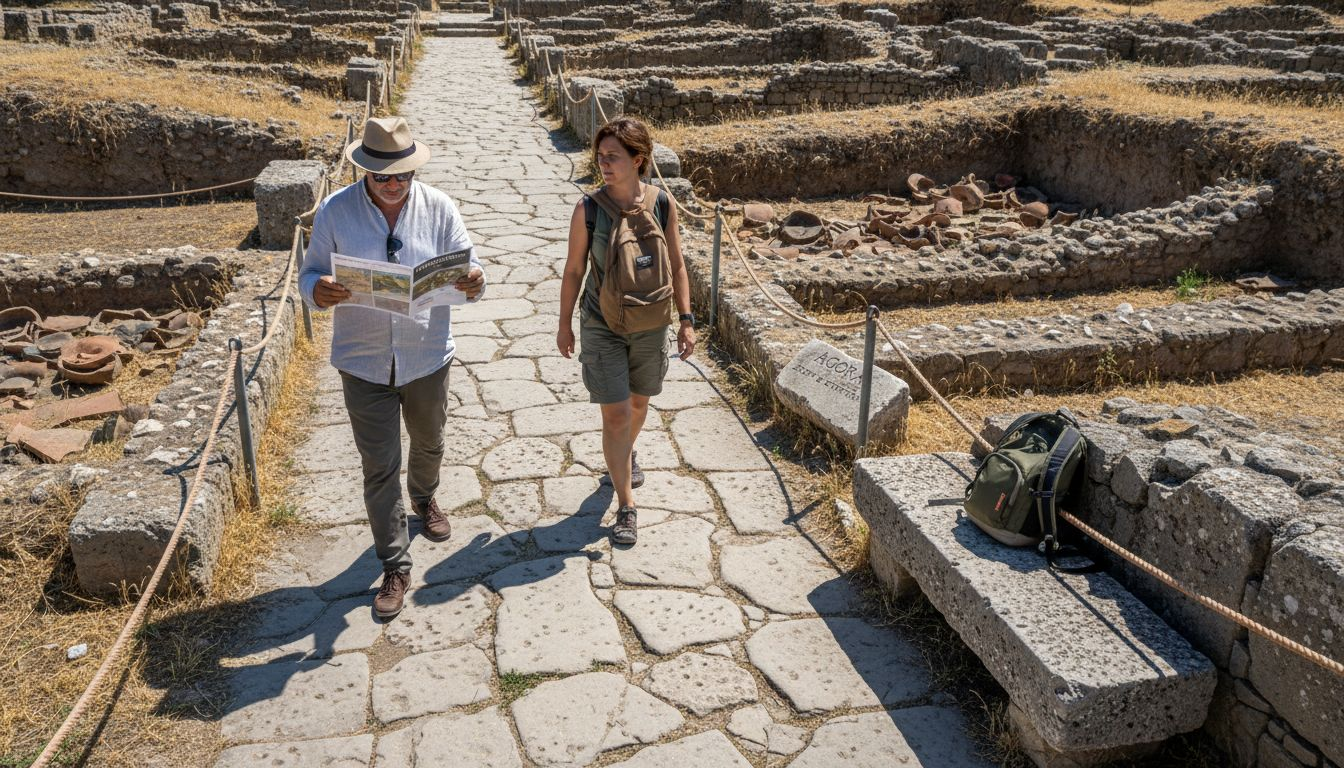
Pantalica presents thousands of rock-cut tombs carved into limestone cliffs over centuries. The necropolis served multiple cultures from Bronze Age through Byzantine periods. Each tomb style reflects evolving beliefs about death and commemoration. The site’s scale demonstrates sustained population density and cultural importance across dramatically different historical contexts.
Material culture from these locations fills museums with stories. Coins reveal economic networks connecting Sicily to distant markets. Jewelry shows artistic preferences and social status markers. Everyday items like cooking pots and storage jars document domestic life details absent from written records.
| Site | Primary Periods | Key Features | Visitor Highlights |
|---|---|---|---|
| Morgantina | Bronze Age, Greek, Roman | Theater, agora, residential districts | Multi-period urban layout demonstrates cultural continuity |
| Pantalica | Bronze Age through Byzantine | 5,000+ rock tombs, Byzantine village | Spectacular cliff setting with visible chronological development |
| Selinunte | Greek, Carthaginian, Roman | Temple complex, fortifications | Massive scale illustrates Greek colonial ambition |
| Villa Romana del Casale | Roman, Byzantine | Mosaic floors, residential complex | Exceptional preservation shows elite lifestyle |
| Mozia | Phoenician, Carthaginian | Island settlement, tophet, walls | Rare Phoenician site with underwater archaeology |
When visiting these sites, focus on features that reveal long-term occupation. Look for architectural elements reused in later construction. Notice how settlements adapted to changing security needs. Recognize that impressive monuments represent only one aspect of complex communities.
- Examine pottery fragments in site museums to see stylistic evolution
- Ask guides about excavation techniques used to interpret different layers
- Notice how topography influenced settlement choices across periods
- Compare architectural techniques between buildings from different eras
- Consider daily life logistics like water sources and food storage
The Agrigento site insights demonstrate how understanding archaeological context transforms site visits from photo opportunities into educational experiences.
Community engagement and cultural tourism
Archaeological projects increasingly involve local communities and visitors in heritage preservation. Citizen science initiatives help locate and document sites threatened by development or erosion. These programs provide training in survey techniques and artifact identification, creating networks of informed advocates for archaeological conservation.
Community-driven projects enhance visitor education while protecting sites. Local guides trained in archaeological interpretation offer nuanced perspectives that academic researchers might miss. Their knowledge of landscape history, family oral traditions, and vernacular architecture enriches standard archaeological narratives.
Promoting archaeological heritage as a tourism asset creates economic incentives for preservation. Communities benefit when visitors seek authentic cultural experiences beyond beach resorts. This model works best when tourism revenue supports conservation and local employment rather than extracting value from heritage sites.
- Participate in site clean-up days organized by local heritage groups
- Hire locally trained guides who provide archaeological and cultural context
- Support museums and visitor centers through entrance fees and donations
- Respect site boundaries and regulations designed to prevent damage
- Share accurate information about Sicilian archaeology through social media
- Choose accommodations and restaurants that emphasize regional heritage
Pro Tip: Book tours led by archaeologists or trained local experts who can explain excavation methodologies and interpretation debates. These guides transform ruins into dynamic stories by connecting material remains to broader historical patterns.
Engaging responsibly with Sicily’s archaeological heritage creates meaningful travel experiences while supporting preservation. Resources like booking authentic Sicily tours connect you with operators prioritizing cultural education and community benefit. The Sicily travel tips for first timers emphasize respectful engagement with cultural sites.
Explore Sicily’s heritage with expert guidance
Your journey through Sicily’s archaeological landscape becomes richer with expert-led experiences that translate academic research into accessible narratives. 
Professional guides trained in archaeology help you decode site complexities that casual visits might miss. They explain excavation techniques, interpret material culture, and connect physical remains to broader historical patterns. These curated experiences transform passive observation into active learning.
The authentic Sicily tours platform connects you with local experts who prioritize cultural depth over superficial sightseeing. Meanwhile, essential Sicily travel tips prepare you for practical aspects of visiting archaeological sites. For travelers seeking alternatives to mainstream planning resources, slow Sicily com alternatives offers curated options emphasizing heritage engagement.
Frequently asked questions about archaeology in Sicily
What are the oldest archaeological sites in Sicily?
San Teodoro cave near Acquedolci contains the oldest evidence of human occupation, dating to approximately 16,500 years ago. Other significant early sites include Grotta dell’Uzzo and Riparo del Castello, which document Mesolithic and Neolithic periods.
How does archaeology influence travel experiences in Sicily?
Archaeological knowledge transforms site visits from casual tourism into meaningful cultural engagement. Understanding the multi-period nature of locations helps you recognize Sicily’s role as a Mediterranean crossroads and appreciate how contemporary culture reflects ancient patterns.
Are there guided tours focused on Sicilian archaeological heritage?
Yes, specialized tours led by archaeologists and trained cultural guides provide in-depth site interpretation. Booking Sicily tours through heritage-focused operators ensures you access expert knowledge and support preservation efforts.
What misconceptions should travelers avoid about Sicily’s ancient cultures?
Avoid viewing Sicilian cultures as isolated ethnic groups with sharp boundaries. Archaeological evidence shows continuous cultural integration and hybrid identities rather than pure, separate populations competing for territory.
How can visitors support archaeological preservation during their trip?
Respect site boundaries, hire trained local guides, pay entrance fees that fund conservation, and participate in community heritage initiatives when possible. The Sicily travel tips guide emphasizes responsible cultural engagement practices.