
Planning a Sicily trip can feel overwhelming when you want to balance cultural immersion, historical exploration, and authentic cuisine in a limited timeframe. The island’s size and diverse attractions demand strategic planning to avoid rushed visits and tourist traps. This guide walks you through creating an efficient, enriching itinerary for 2026, from selecting the right base cities to integrating tours and local experiences. You’ll learn how to navigate Sicily’s driving challenges, time your visits to avoid crowds, and discover hidden culinary gems that make your journey truly memorable.
Table of Contents
- Strategic Base Selection And Travel Logistics
- Cultural And Historical Highlights For Your Sicily Itinerary
- Savoring Sicilian Local Cuisine And Markets
- Integrating Tours And Day Trips For A Well-Rounded Itinerary
- Plan Your Perfect Sicily Trip With Sicilian Traveler
- Frequently Asked Questions About Creating A Sicily Itinerary
Key takeaways
| Point | Details |
|---|---|
| Base selection matters | Choosing Palermo or Catania as your primary base optimizes travel efficiency and cultural access. |
| Balance is essential | Mix historical landmarks with market visits and culinary experiences for authentic immersion. |
| Driving requires caution | Rent a small car but double estimated travel times and avoid driving in Palermo’s center. |
| Tours enhance experience | Pre-book guided excursions to Etna, Aeolian Islands, or wine regions for deeper cultural insight. |
| Timing reduces crowds | Visit popular sites early morning or late afternoon for better photos and fewer tourists. |
Strategic base selection and travel logistics
Strategic base selection significantly enhances the Sicily travel experience by minimizing travel time and maximizing immersion. Your choice between Palermo in the west and Catania in the east determines which attractions you can easily access. Palermo offers proximity to Monreale, Cefalù, and western archaeological sites, while Catania serves as a gateway to Mount Etna, Taormina, and Syracuse. Limiting yourself to one or two bases reduces packing and unpacking fatigue while allowing you to settle into local rhythms.
Sicily spans approximately 250 kilometers in length, making efficient travel planning crucial for maximizing your experiences. Driving becomes necessary for reaching many attractions, but be prepared for challenges. Approximately 80% of visitors dislike driving in Sicily due to unfamiliar roads, aggressive local drivers, and confusing signage. If you decide to rent a vehicle, choose a small car for navigating narrow streets and tight parking spaces. Automatic transmission can ease stress if you’re accustomed to it.
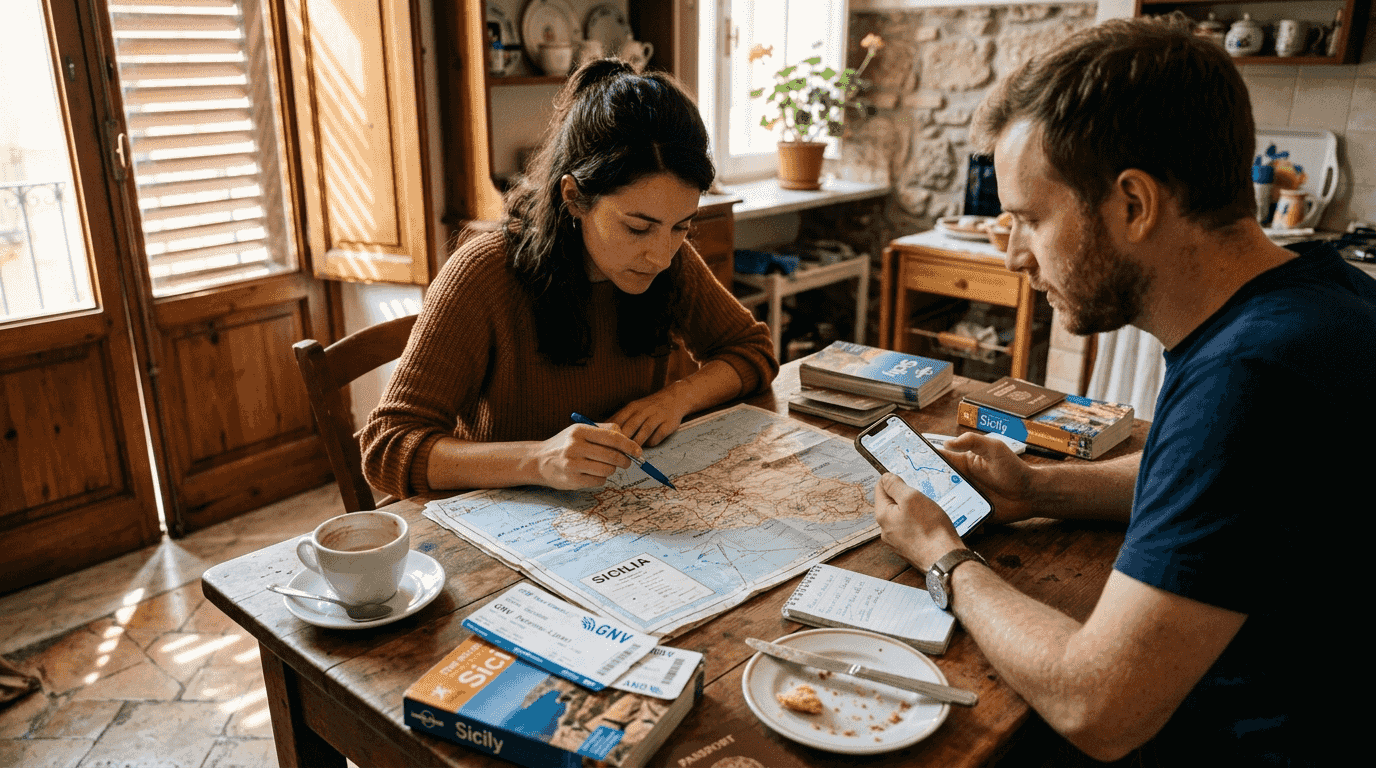
Double Google Maps travel time estimates to account for winding mountain roads, unexpected delays, and the need for rest stops every 1.5 hours. Never attempt to drive inside Palermo’s historic center, where traffic chaos and restricted zones create unnecessary headaches. Instead, park outside the city and rely on taxis or public transport for urban exploration. Check out our Sicily itinerary checklist tips for more detailed planning strategies.
Pro Tip: Book your rental car at least six weeks in advance during peak season (May through September) to secure better rates and vehicle availability. Confirm your insurance coverage includes collision damage waiver and theft protection.
For travelers who prefer avoiding driving challenges in Sicily, consider a hybrid approach. Use trains or buses for major city connections, then book private drivers or small group tours for countryside excursions. This strategy reduces stress while maintaining flexibility. Our guide on getting around Sicily tips explores alternative transportation options in detail.
| Base City | Best For | Key Attractions Within 90 Minutes |
|---|---|---|
| Palermo | Culture, markets, Norman architecture | Monreale, Cefalù, Segesta, Erice |
| Catania | Nature, Mount Etna, beach towns | Etna, Taormina, Syracuse, Noto |
| Syracuse | Ancient history, quieter pace | Noto, Ragusa, Modica, coastal reserves |
Cultural and historical highlights for your Sicily itinerary
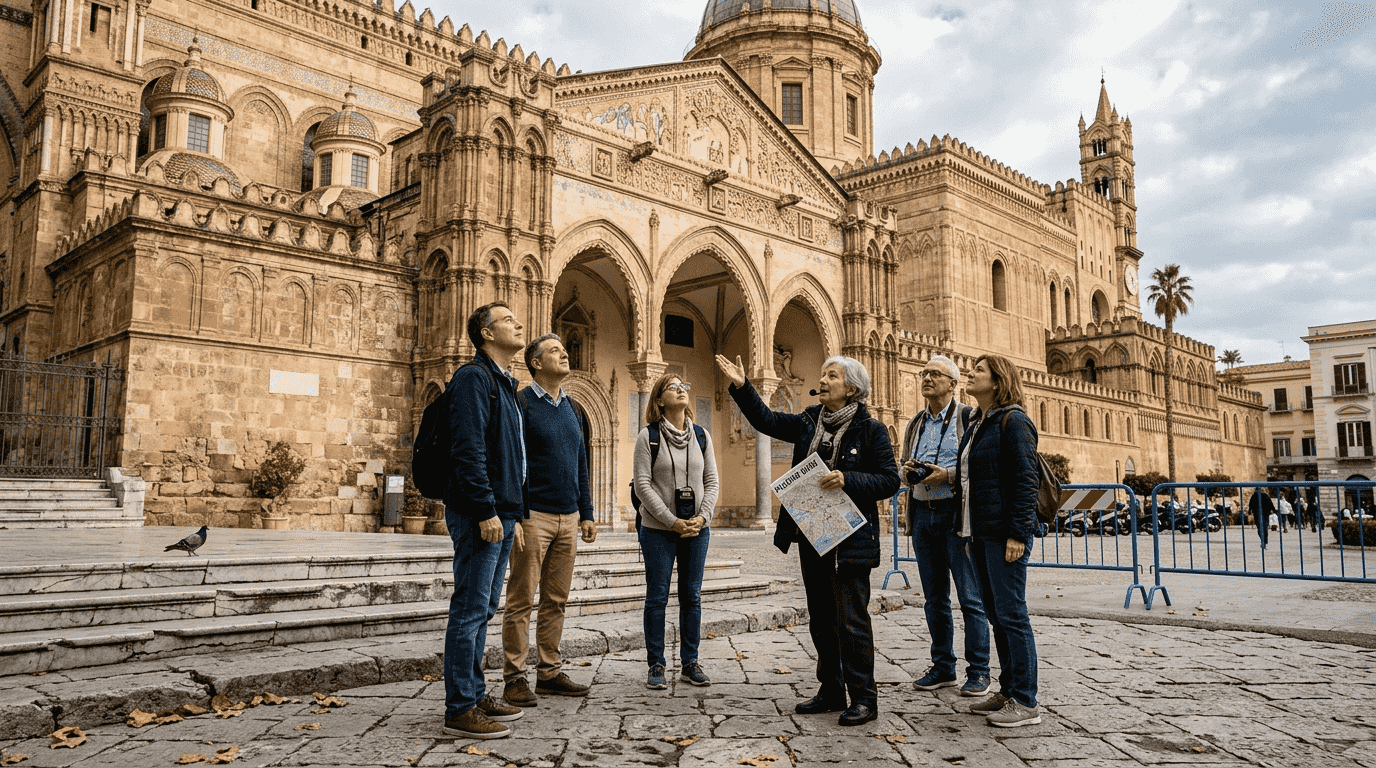
Palermo Cathedral showcases a fusion of architectural styles reflecting Sicily’s diverse history through Norman, Arab, Byzantine, and Baroque elements. The building’s exterior alone tells centuries of cultural exchange, with each conquering civilization adding their artistic signature. Spend time examining the royal tombs inside, which house Norman kings and Holy Roman emperors. The rooftop terrace offers panoramic city views worth the modest entrance fee.
The Norman Palace’s Palatine Chapel features Byzantine mosaics and Arab craftsmanship that create one of Sicily’s most stunning interiors. Golden mosaics cover nearly every surface, depicting biblical scenes with remarkable detail and vibrant colors. The wooden ceiling showcases intricate Islamic geometric patterns, demonstrating the cultural synthesis that defines Sicilian heritage. Audio guides provide context that transforms your visit from simple sightseeing into genuine historical understanding.
Quattro Canti represents a Baroque masterpiece and symbolic crossroads in Palermo’s historic heart. This octagonal intersection features four identical facades adorned with fountains representing the seasons, Spanish kings, and Palermo’s patron saints. Visit during golden hour when sunlight illuminates one facade at a time, creating dramatic lighting for photography. The square serves as an ideal orientation point for exploring surrounding neighborhoods.
Piazza Pretoria’s Renaissance fountain dominates the square with mythological figures and elaborate water features. Locals nicknamed it the “Fountain of Shame” due to the nude statues that scandalized 16th century sensibilities. The fountain’s 644 individual elements create a complex composition best appreciated from multiple angles. Nearby churches and palaces frame the square, offering architectural context for your visit.
Timing your visits strategically reduces crowds and enhances experiences at these popular sites. Arrive at the Norman Palace when it opens at 8:30 AM to enjoy the Palatine Chapel with minimal tour groups. Late afternoon visits to Quattro Canti and Piazza Pretoria provide better lighting conditions and fewer tourists blocking photo opportunities. Our Palermo historical landmarks guide offers detailed visiting strategies for each major site.
Pro Tip: Purchase a combined ticket for Palermo Cathedral and the Norman Palace to save money and skip separate ticket lines. Many sites close on Mondays, so plan accordingly.
Beyond Palermo’s famous landmarks, explore lesser known churches and courtyards that reveal authentic neighborhood character. The Oratorio di San Lorenzo houses Caravaggio’s Nativity (stolen in 1969, now a reproduction) and stunning stucco work by Giacomo Serpotta. These smaller sites often provide more intimate experiences without overwhelming crowds. Check Palermo exploration tips for discovering hidden cultural gems.
Consider hiring a licensed local guide for your first day in Palermo to gain orientation and historical context that enriches subsequent independent exploration. Guides share stories and details you’d miss on your own, transforming buildings into narratives. Many offer specialized tours focusing on specific periods or themes like Norman Sicily or Baroque architecture.
Savoring Sicilian local cuisine and markets
Palermo’s markets offer a vibrant experience of local life and cuisine through three distinct neighborhoods: Capo, Ballarò, and Borgo Vecchio. Each market has its own character and specialty products. Capo specializes in fresh produce and household goods, while Ballarò features the most diverse selection of seafood, spices, and international ingredients. Borgo Vecchio remains the most authentic and least touristy, frequented primarily by locals shopping for daily meals.
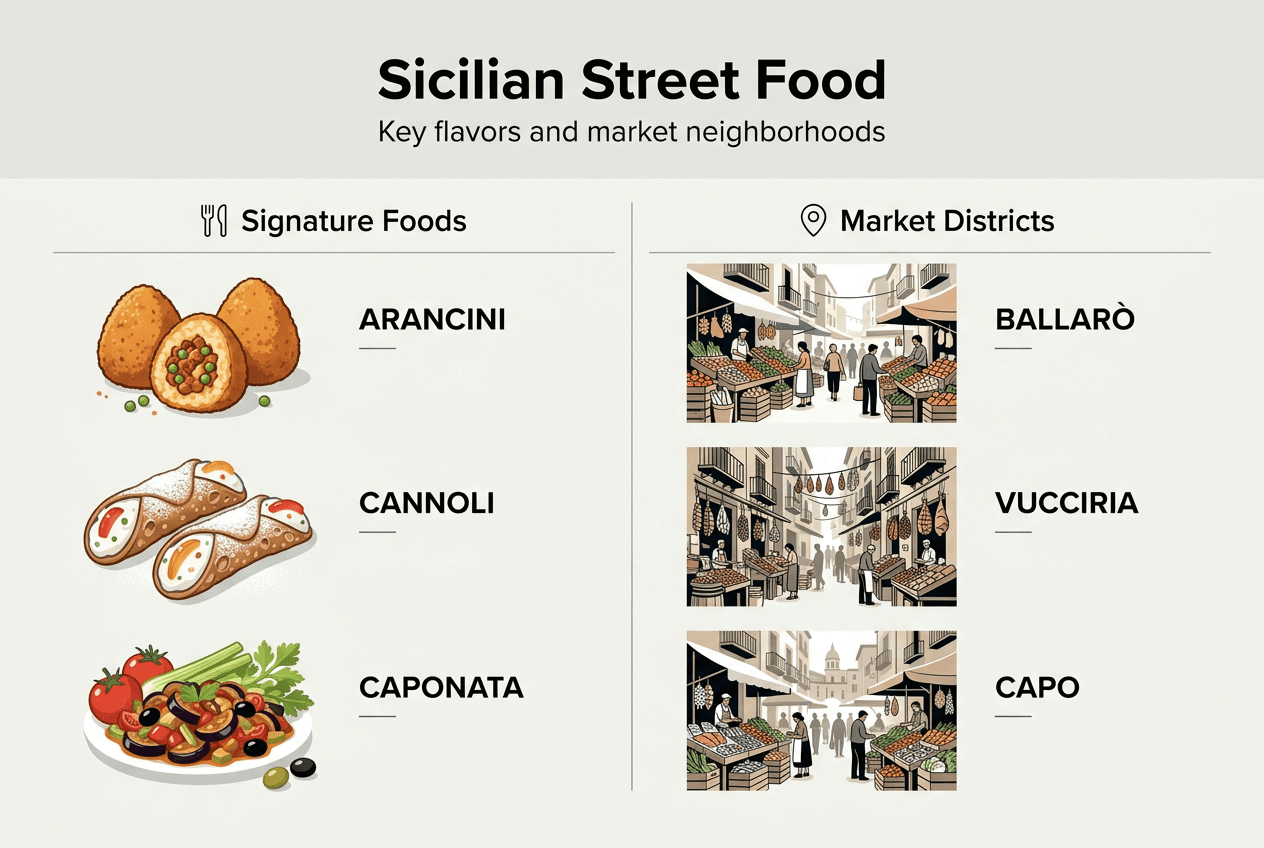
Sampling street food provides essential insight into Sicily’s rich culinary heritage and working class traditions. Try arancini (fried rice balls) with various fillings, panelle (chickpea fritters), and sfincione (Sicilian pizza). Pani ca’ meusa (spleen sandwich) represents an acquired taste but offers authentic local flavor. Market vendors often offer samples, creating opportunities for conversation and cultural exchange beyond simple transactions.
Pairing food experiences with cultural activities deepens your understanding of Sicilian identity and daily rhythms. Visit markets in the morning when vendors display their freshest products and locals shop for ingredients. Return to the same stalls on different days to build rapport with vendors who’ll share cooking tips and family recipes. This repeated interaction transforms you from tourist to temporary neighborhood resident.
Markets vary significantly by day and time, with peak activity occurring Tuesday through Saturday mornings. Sunday sees reduced hours and fewer vendors, while Monday closures affect many food businesses. Plan your market visits for mid morning (9 to 11 AM) when selection peaks but crowds remain manageable. Bring small bills for easier transactions, as vendors rarely accept cards or large denominations.
Seek local recommendations to discover hidden culinary gems beyond obvious tourist spots. Ask your accommodation host for their favorite trattoria or pasticceria (pastry shop). Locals eat at places with handwritten menus, plastic chairs, and no English signage, indicators of authentic quality and fair prices. Our guide on Sicilian cuisine uniqueness explains the historical influences that created this distinctive food culture.
Pro Tip: Learn basic Italian food vocabulary before your trip to communicate dietary restrictions and preferences. Phrases like “senza glutine” (gluten free) or “vegetariano” help vendors guide you to appropriate options.
Sicilian street food culture reflects centuries of Arab, Spanish, and French influences blended with local ingredients and traditions. Street vendors occupy the same locations for generations, with recipes passed through families. This continuity creates living culinary history you can taste. Don’t hesitate to ask vendors about ingredient sources or preparation methods, as most take pride in explaining their craft.
Beyond Palermo, each Sicilian city offers distinctive culinary specialties worth incorporating into your itinerary. Catania’s fish market near Piazza Duomo rivals Palermo’s for energy and variety. Syracuse features exceptional seafood restaurants along Ortigia island. Trapani specializes in couscous dishes reflecting North African connections. Building your itinerary around regional food experiences creates memorable meals that anchor each destination.
Integrating tours and day trips for a well-rounded itinerary
Integrating tours and activities enhances cultural aspects of your itinerary through expert guidance and access to experiences difficult to arrange independently. Popular options include Aeolian Islands boat trips, Mount Etna excursions, and wine tasting experiences in the countryside. These organized activities handle logistics, transportation, and interpretation, allowing you to focus on enjoyment rather than navigation and scheduling.
Pre booking tours ensures availability with authentic local guides who provide cultural context beyond basic facts. Research tour operators carefully, reading recent reviews and verifying they employ licensed guides. Small group tours (maximum 12 participants) offer better interaction with guides and flexibility for questions. Private tours cost more but provide customized experiences matching your specific interests and pace.
Choose tours aligning with your primary interests, whether nature, history, wine, or cuisine. Mount Etna excursions range from easy crater rim walks to challenging summit hikes requiring fitness and proper gear. Wine tours vary from casual tastings at single estates to full day experiences visiting multiple producers with lunch included. Aeolian Islands boat trips offer swimming stops, village exploration, and volcanic landscapes accessible only by sea.
Tours help overcome driving challenges while allowing concentrated exploration of highlights without vehicle stress. Professional drivers navigate mountain roads and parking situations that intimidate visitors. This proves especially valuable for wine tours, where designated drivers let you enjoy tastings without alcohol limits. Tour operators also maintain relationships with sites, sometimes securing priority access or extended hours.
- Research tour operators at least two months before your trip to compare options and secure preferred dates.
- Verify what’s included in tour prices: meals, entrance fees, equipment, and transportation details.
- Check cancellation policies and weather contingency plans, especially for boat trips and mountain excursions.
- Read recent reviews focusing on guide quality, group size, and whether the experience matched descriptions.
- Confirm meeting points and times, accounting for transportation from your accommodation.
Pro Tip: Book morning tours when possible for better weather conditions, smaller crowds, and more alert guides. Afternoon tours often feel rushed as operators try to finish before closing times.
Our guide on booking authentic Sicily tours provides detailed criteria for evaluating operators and avoiding tourist traps. Look for companies emphasizing cultural education over entertainment, employing local guides, and maintaining small group sizes. Avoid tours promising too many sites in unrealistic timeframes, which result in superficial experiences and exhausted participants.
Sicilian culinary tours offer immersive food experiences combining market visits, cooking classes, and meals at family run establishments. These tours reveal stories behind dishes and introduce you to producers passionate about traditional methods. Half day cooking classes teach you to recreate Sicilian flavors at home while full day experiences might include farm visits, cheese making demonstrations, and multi course meals.
Consider this comparison when selecting tours:
| Tour Type | Typical Duration | Highlights | Best For |
|---|---|---|---|
| Mount Etna | 6 to 8 hours | Crater exploration, lava fields, wine tasting | Nature lovers, geology enthusiasts |
| Aeolian Islands | Full day | Boat ride, swimming, volcanic landscapes | Beach seekers, photographers |
| Wine tours | 4 to 6 hours | Vineyard visits, tastings, lunch | Wine enthusiasts, foodies |
| Cooking class | 3 to 5 hours | Market visit, hands on cooking, meal | Culinary learners, interactive travelers |
| Archaeological | 4 to 8 hours | Ancient sites, historical context | History buffs, culture seekers |
Balance independent exploration with organized tours to maintain spontaneity while ensuring you experience highlights requiring expertise or special access. Dedicate two or three days to self guided wandering and market browsing, then schedule tours for complex sites or regions difficult to reach independently. This rhythm prevents tour fatigue while maximizing your itinerary’s depth and variety.
Plan your perfect Sicily trip with Sicilian Traveler
Creating an effective Sicily itinerary requires balancing cultural immersion, practical logistics, and authentic experiences. Sicilian Traveler provides comprehensive resources tailored to first time visitors and returning travelers seeking deeper connections. Our essential Sicily travel tips cover everything from packing suggestions to cultural etiquette that enhances local interactions.
Explore our guide on booking authentic Sicily tours to find operators who prioritize cultural education over generic sightseeing. Download our Sicily itinerary checklist tips for printable planning tools that organize your research, bookings, and daily schedules. We share insider knowledge on timing visits, avoiding crowds, and discovering hidden gems that transform good trips into unforgettable journeys. Let us help you craft an itinerary reflecting your interests while respecting Sicily’s rich cultural heritage.
Frequently asked questions about creating a Sicily itinerary
How many days are ideal for a Sicily trip itinerary?
Seven to ten days provides sufficient time to explore two base cities with day trips to surrounding attractions. Five days works for a focused visit to one region, while two weeks allows comprehensive coverage of the island’s diverse landscapes and cultural sites. Quality experiences matter more than quantity of destinations.
Which base city is best if I want to focus on culture versus nature?
Palermo serves culture enthusiasts with its Norman architecture, vibrant markets, and layered history spanning multiple civilizations. Catania suits nature lovers seeking Mount Etna access, coastal scenery, and proximity to Taormina’s dramatic landscapes. Syracuse offers a middle ground with excellent ancient ruins and seaside charm.
Is renting a car necessary, or can I use public transportation?
Public transportation works for major city connections but limits access to countryside attractions, hill towns, and archaeological sites. Renting a car provides flexibility despite driving challenges. A hybrid approach using trains between cities and hiring drivers for specific excursions balances convenience with stress reduction.
What local foods must I include in my itinerary?
Prioritize arancini, pasta alla Norma, caponata, cannoli, and granita for iconic Sicilian flavors. Visit markets for street food like panelle and sfincione. Regional specialties vary by location, so seek local recommendations at each destination. Fresh seafood along the coast and Etna wine in the countryside enhance culinary experiences.
How can I avoid crowds at popular historical sites?
Arrive when sites open or visit during late afternoon hours when tour groups depart. Book tickets online when available to skip entrance lines. Visit major attractions on weekdays rather than weekends. Consider hiring private guides for early access or extended hours at select locations.
Should I plan my itinerary around specific festivals or events?
Sicilian festivals offer authentic cultural immersion but require advance accommodation bookings due to limited availability. Holy Week celebrations in April showcase elaborate processions. Summer brings outdoor concerts and food festivals. Research events in your travel dates, but don’t let them dictate your entire itinerary unless attending specific celebrations motivates your trip.