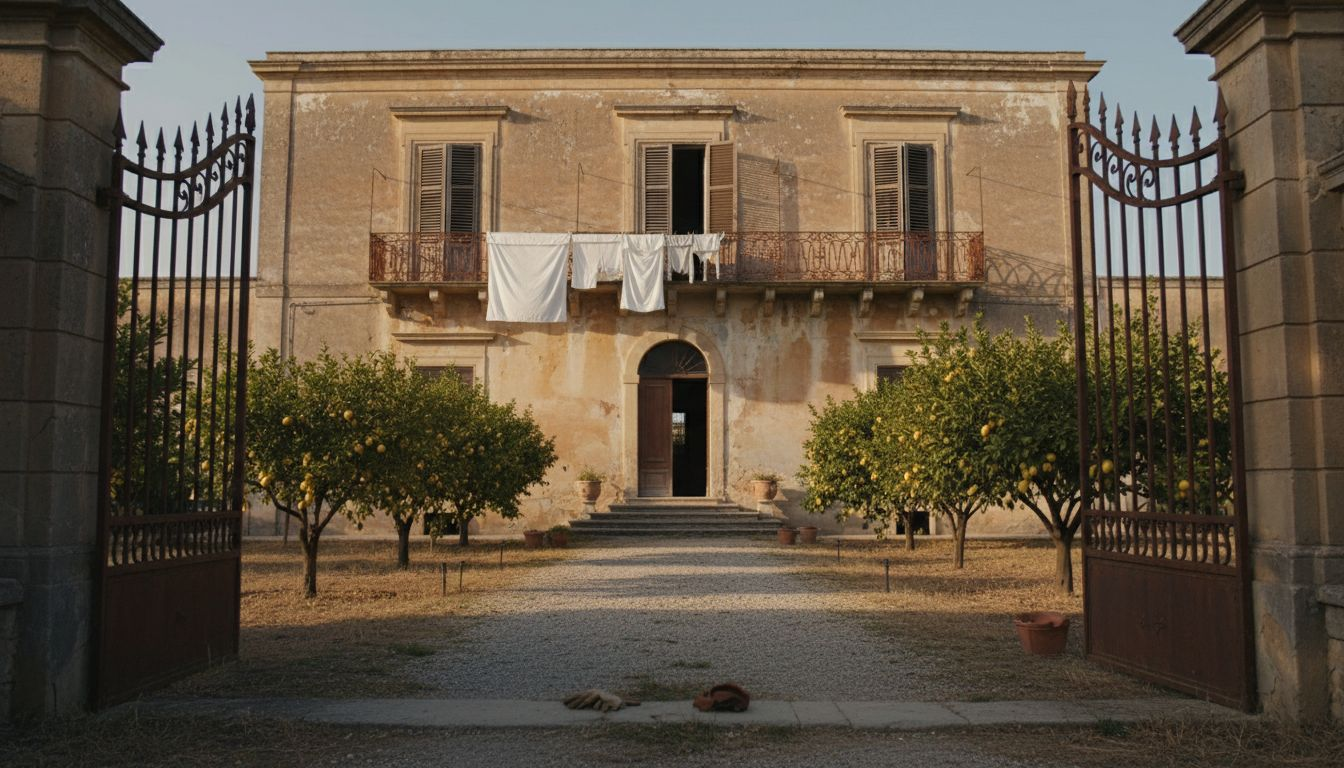

When you picture a Sicilian villa, you might imagine crumbling Roman ruins frozen in time. The reality is far richer. These estates are living testaments to centuries of cultural evolution, blending architectural styles from multiple civilizations with modern Mediterranean luxury. Understanding what makes a Sicilian villa unique transforms how you experience Sicily’s heritage and helps you choose the perfect base for your island adventure.
Table of Contents
- Understanding The Sicilian Villa: Definition And Cultural Significance
- Historical Evolution And Significance Of Sicilian Villas
- Architectural Heritage And Evolving Styles Of Sicilian Villas
- Debunking Misconceptions About Sicilian Villas
- Experiencing Modern Sicilian Villas: Cultural And Practical Insights
- Summary And Practical Next Steps For Sicilian Travelers
- Plan Your Authentic Sicilian Villa Experience With Us
- Frequently Asked Questions
Key takeaways
| Point | Details |
|---|---|
| Historical depth | Sicilian villas span from Roman origins through Norman, Moorish, and Baroque periods to contemporary luxury rentals. |
| Architectural diversity | Expect multi-layered styles combining Roman mosaics, Moorish arches, and Baroque details in single estates. |
| Modern comfort | Today’s villas blend traditional architecture with pools, sea views, and amenities while preserving cultural authenticity. |
| Cultural gateways | Villas serve as immersive settings for experiencing authentic Sicilian lifestyle, cuisine, and agricultural traditions. |
| Myth vs reality | Not all villas are ancient ruins; many are Baroque masterpieces or modern homes with deep cultural roots. |
Understanding the Sicilian villa: definition and cultural significance
A Sicilian villa is far more than luxury accommodation or archaeological site. At its core, it represents a residential and agricultural estate that embodies Sicily’s layered history, distinctive architecture, and evolving social structures. These properties served as centers of agricultural production, family life, and cultural expression across multiple eras.
Many travelers arrive with oversimplified expectations. Some imagine every villa as a Roman ruin waiting for excavation. Others assume they’re exclusively modern vacation rentals with superficial Italian styling. The truth sits beautifully in between, offering travelers a spectrum of experiences from archaeology in Sicily to contemporary comfort.
Sicilian villas function as tangible records of the island’s complex heritage. They absorbed influences from Roman settlers, Norman conquerors, Moorish traders, and Baroque aristocrats. Each period left architectural signatures that still define these estates today. Understanding this context helps you appreciate what you’re seeing beyond pretty facades.
To grasp the full picture, view Sicilian villas through three lenses:
- Historical context: Trace their evolution from Roman agricultural centers to feudal strongholds to modern cultural landmarks
- Architectural synthesis: Recognize how multiple civilizations contributed design elements that coexist in single properties
- Living culture: See them as active participants in Sicily’s contemporary social and economic life, not museum pieces
This framework transforms villa visits from simple sightseeing into meaningful cultural engagement.
Historical evolution and significance of Sicilian villas
The story of Sicilian villas begins in the Roman period, when wealthy landowners established large agricultural estates called latifundia. These weren’t just farms. They were self-contained economic units combining residential luxury with productive farmland, setting a pattern that would persist for centuries.
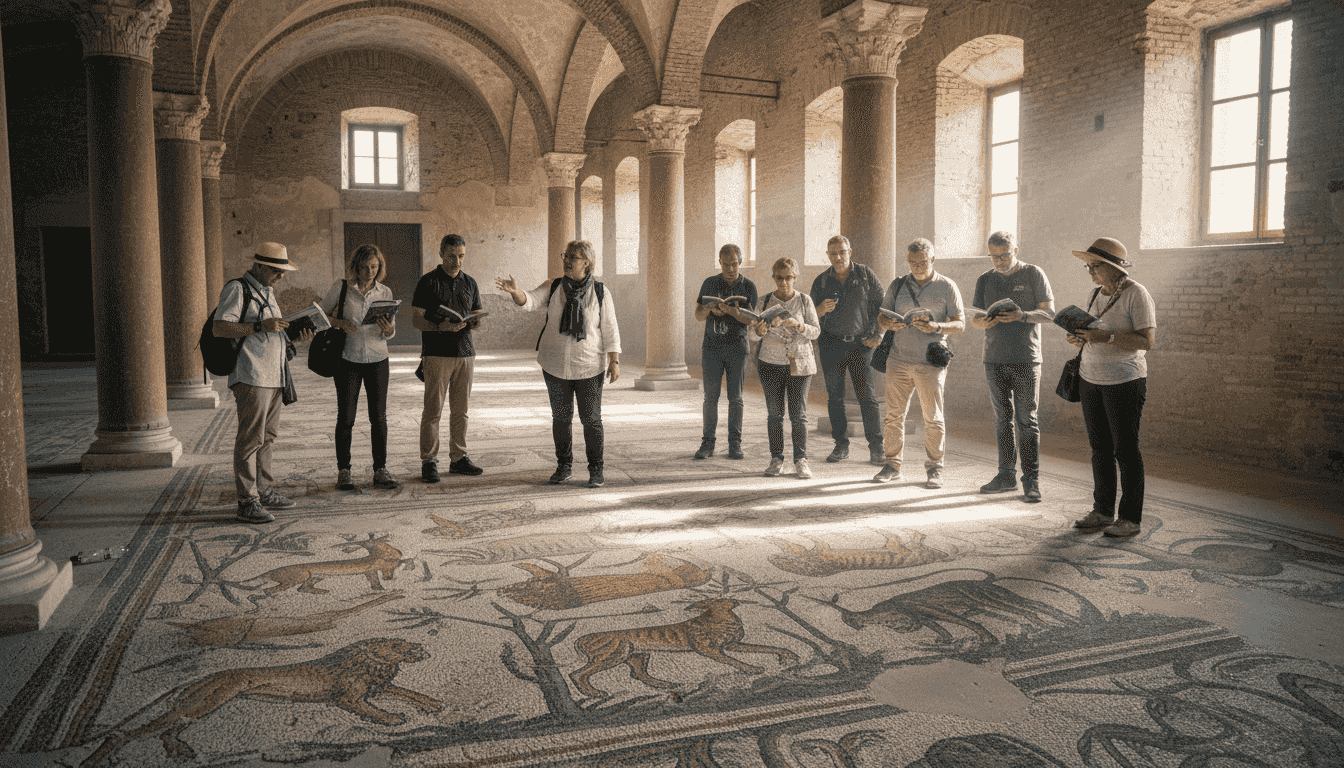
The Villa Romana del Casale with 4th-century mosaics covering 3,500 sqm stands as the most spectacular surviving example. Located near Piazza Armerina, this UNESCO World Heritage site showcases Roman villa life through exceptionally preserved floor mosaics depicting hunting scenes, mythological narratives, and daily activities. The vivid colors and intricate details survived because a 12th-century landslide buried the villa, creating an accidental time capsule.
Natural disasters played an unexpected preservation role throughout Sicily’s history. Earthquakes and volcanic activity that destroyed some structures paradoxically protected others by sealing them under layers of debris. This geological quirk gives modern travelers access to architectural details that would have eroded in more stable environments.
As Sicily passed through Byzantine, Arab, Norman, and Spanish rule, villa architecture absorbed new influences:
- Arab period (9th-11th centuries): Introduced sophisticated irrigation systems and geometric garden designs that transformed agricultural productivity
- Norman era (11th-12th centuries): Blended Western and Eastern architectural elements, creating unique hybrid styles
- Baroque period (17th-18th centuries): Added ornate facades, elaborate frescoes, and theatrical spatial arrangements to existing estates
Each transition layer didn’t erase previous ones but built upon them, creating the architectural palimpsests you encounter today.
“The Sicilian villa evolved as a cultural crossroads where Roman pragmatism met Moorish elegance and Baroque drama, creating something entirely unique to this island.”
This historical depth makes Sicilian villas essential windows into Mediterranean civilization. They’re not static monuments but living records of cultural exchange, economic power, and artistic innovation across two millennia.
Architectural heritage and evolving styles of Sicilian villas
Sicilian villa architecture defies simple categorization. Walk through a single estate and you might encounter Roman foundations supporting Norman walls adorned with Baroque frescoes. This layered approach reflects Sicily’s position as a Mediterranean crossroads where civilizations overlapped rather than replaced each other.
Villa Elena with architectural layers from 5th century BC to 17th century exemplifies this synthesis. The property gained international attention as the filming location for HBO’s The White Lotus, but its real fascination lies in the visible architectural timeline. Greek foundations support Roman additions, topped with Medieval fortifications and Baroque decorative flourishes.
Villa Palagonia in Bagheria takes architectural eclecticism to theatrical extremes. Built in the 18th century, it features grotesque stone sculptures, mirrored ballrooms, and optical illusions that challenged Baroque conventions. The villa’s unconventional design shocked contemporary aristocrats but perfectly captures Sicily’s willingness to blend tradition with creative rebellion.
Key architectural features distinguish Sicilian villas:
- Mosaic artistry: Roman-era villas showcase intricate floor mosaics using tessellated stone to create detailed narrative scenes
- Courtyard layouts: Central open spaces provide natural cooling while creating private family zones
- Defensive elements: Many villas incorporated fortified towers during periods of coastal raids
- Agricultural integration: Working farms surrounded residential quarters, with cellars, olive presses, and grain storage built into villa complexes
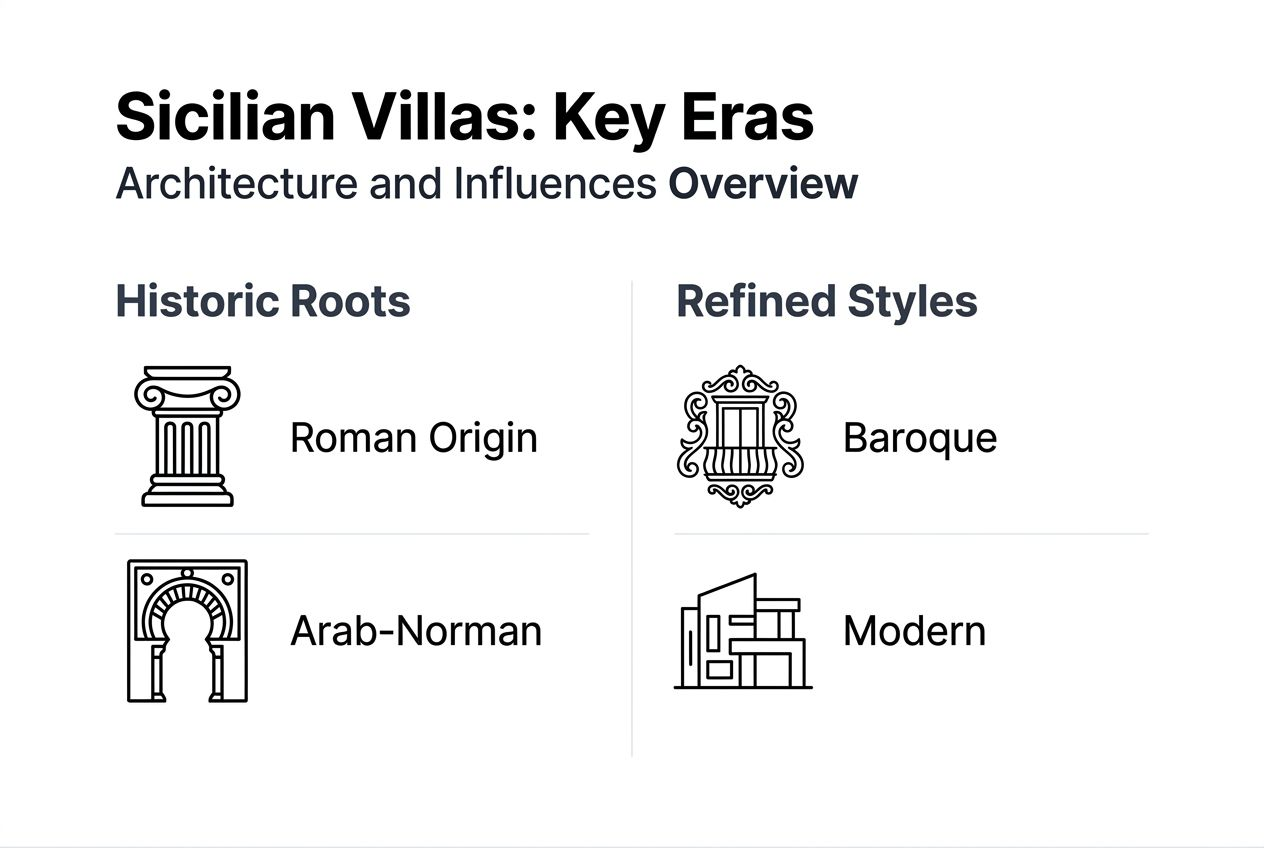
| Architectural Period | Key Features | Example Properties |
|---|---|---|
| Roman (3rd-5th century) | Elaborate mosaics, hypocaust heating, peristyle courtyards | Villa Romana del Casale |
| Norman-Arab (11th-12th century) | Pointed arches, geometric patterns, advanced water systems | La Zisa Palace villas |
| Baroque (17th-18th century) | Ornate facades, frescoed ceilings, theatrical staircases | Villa Palagonia, Villa Valguarnera |
| Modern (20th-21st century) | Restored historical elements with contemporary amenities | Sicily Villas collection |
Pro Tip: When visiting Sicilian towns for authentic culture, look for villas that offer guided architectural tours. Knowledgeable guides can point out subtle details like reused Greek columns in Baroque facades or hidden Arab-era irrigation channels that you’d otherwise miss.
The integration of luxury and function sets Sicilian villas apart from purely decorative palaces elsewhere. Even the grandest estates maintained working farms, wine production, and olive groves. This practical foundation kept villas economically viable across political upheavals and changing aristocratic fortunes.
Debunking misconceptions about Sicilian villas
Travelers often arrive in Sicily with inaccurate assumptions that limit their appreciation of villa heritage. Clearing up these misconceptions opens doors to richer experiences and more informed choices when selecting places to visit or stay.
Myth 1: All Sicilian villas are ancient Roman ruins. While Villa Romana del Casale represents spectacular Roman preservation, most Sicilian villas you’ll encounter date from later periods. Baroque estates from the 17th and 18th centuries are far more common, as are early 20th-century properties. The Roman sites are archaeological treasures, but they’re a small fraction of Sicily’s villa landscape.
Myth 2: Modern villa rentals lack authentic cultural value. Contemporary Sicilian vacation villas aren’t sterile hotel replacements. Many occupy restored historical buildings or sit on land cultivated for generations. They maintain connections to local agricultural traditions, employ regional craftspeople for maintenance, and source furnishings from Sicilian artisans. Staying in a modern villa can offer deeper cultural immersion than a generic resort.
Myth 3: All villas followed the same architectural template. Sicily’s tumultuous history created remarkable architectural diversity. Coastal villas incorporated defensive features against pirate raids. Mountain estates used different building materials and layouts adapted to terrain. Agricultural villas in the interior prioritized grain storage and livestock management over decorative elements.
Key realities to understand:
- Architectural evidence shows villa construction and modification across all historical periods, not concentrated in antiquity
- Many “villas” function as working farms today, continuing centuries-old agricultural practices
- Some properties blend multiple buildings from different eras into single estates
- Modern restoration often reveals hidden historical layers, making properties more historically rich after renovation
Pro Tip: Don’t skip Baroque villas in favor of Roman sites. The later estates often preserve more complete living environments, giving you a better sense of how Sicilian aristocracy and landed families actually lived, worked, and entertained across generations.
Understanding these realities helps you set appropriate expectations and recognize genuine cultural significance when you encounter it. The diversity itself is the point, reflecting Sicily’s role as a civilizational crossroads where different traditions created unique hybrid forms.
Experiencing modern Sicilian villas: cultural and practical insights
Today’s Sicilian villa experience balances historical authenticity with contemporary comfort, offering travelers immersive cultural bases without sacrificing modern amenities. Understanding what’s available and how to approach it respectfully enhances both your trip and your appreciation of Sicilian heritage.
Modern Sicilian villas often include private pools and sea views near baroque towns, particularly in southeastern Sicily around Noto, Ragusa, and Modica. These properties typically occupy restored historical buildings or new constructions on traditional agricultural estates. You’ll find infinity pools overlooking the Mediterranean, chef’s kitchens stocked with local ceramics, and terraces designed for long dinners under Sicilian stars.
The villa rental market reflects interesting historical nuances. Mid-20th century rural villas sometimes built before official recording reveal Sicily’s informal land tenure practices during periods of rapid post-war development. These properties have since been formalized and often renovated, but their origins show how villa culture evolved outside official channels in rural areas.
Top locations for authentic villa experiences:
| Region | Cultural Highlights | Typical Villa Features |
|---|---|---|
| Val di Noto | Baroque towns, UNESCO sites, ancient Greek theaters | Restored townhouses, infinity pools, proximity to cultural sites |
| Taormina area | Greek ruins, coastal scenery, mountain villages | Sea view terraces, gardens, elegant interiors |
| Countryside near Ragusa | Working farms, cheese production, rural traditions | Converted masserie (farmhouses), olive groves, cooking facilities |
| Palermo surroundings | Norman palaces, markets, coastal access | Urban villas with courtyards, beach proximity |
Modern villas serve as cultural hubs beyond just accommodation. Many offer:
- Cooking classes using produce from estate gardens and local markets
- Wine tastings featuring regional varietals from nearby vineyards
- Guided tours to artisan workshops, olive mills, and cheese producers
- Connections to local guides for booking authentic Sicily tours
Respectful cultural engagement starts with understanding villa properties as active parts of living communities. If your rental sits on a working estate, you might encounter farmers tending groves or harvesting crops. This isn’t intrusive; it’s authentic continuation of the villa’s agricultural heritage. Many property managers can arrange meetings with estate workers who share traditional farming knowledge.
Practical considerations for first-time villa renters:
- Book well ahead for summer stays; popular properties fill six months in advance
- Confirm amenities like air conditioning, which isn’t universal in restored historical buildings
- Ask about proximity to towns if you don’t want total rural isolation
- Verify kitchen equipment if you plan serious cooking with market ingredients
- Inquire about staff services; some villas include housekeeping, cooking, or concierge assistance
Review Sicily travel tips before finalizing your villa choice to ensure the location aligns with your broader itinerary. Villas work best when you plan to spend quality time in one region rather than racing around the island.
The villa experience offers something hotels can’t replicate: a sense of temporary belonging to a specific Sicilian place. You’re not observing culture through a tourist lens but participating in it from a home base with roots in the landscape.
Summary and practical next steps for Sicilian travelers
You now understand that Sicilian villas encompass far more than any single stereotype. They’re historical palimpsests showing Roman foundations, Arab innovations, Norman power, and Baroque artistry. They’re working estates maintaining agricultural traditions across generations. They’re modern homes offering luxury while honoring cultural heritage. This complexity makes them perfect gateways to authentic Sicilian experiences.
To make the most of villa culture during your Sicily trip, follow these practical steps:
-
Match villa type to your interests: Archaeology enthusiasts should prioritize Roman sites like Villa Romana del Casale. Architecture lovers will find more satisfaction in Baroque estates. Those seeking immersive cultural experiences should consider rental villas on working farms.
-
Research beyond pretty photos: Dig into property histories, architectural features, and cultural contexts. A villa’s story often matters more than its amenity list for creating meaningful experiences.
-
Plan villa visits alongside town exploration: Use your villa base to explore nearby best Sicilian towns, creating a rhythm between quiet estate time and active cultural engagement.
-
Engage local expertise: Property managers, guides, and estate workers possess knowledge you won’t find in guidebooks. Ask questions about architectural details, family histories, and traditional practices.
-
Time your visit thoughtfully: Spring (April to May) and fall (September to October) offer ideal weather for villa stays without summer crowds. You’ll have better access to both rental properties and archaeological sites.
-
Consider longer stays: Villa culture reveals itself slowly. A week in one well-chosen property teaches you more about Sicilian life than brief stops at multiple locations.
-
Combine villa rentals with guided experiences: Book authentic Sicily tours that complement your villa location, creating a comprehensive cultural education.
-
Respect working properties: If your villa sits on an active farm, understand that agricultural schedules might affect your experience. This authenticity is a feature, not a bug.
The architectural and cultural diversity you’ve learned about means no two Sicilian villa experiences are identical. A restored Baroque townhouse in Noto offers completely different insights than a rural masseria in the Ragusa countryside or a coastal property near Taormina. Choose based on which aspects of Sicilian culture most fascinate you.
Remember that villas aren’t isolated from broader Sicilian travel. Integrate them into a larger exploration strategy using Sicily travel tips for first-timers to balance villa time with markets, festivals, coastal towns, and mountain villages.
Your villa experience becomes richer when you view these properties not as vacation rentals or tourist attractions but as living connections to Sicily’s layered past and vibrant present. They’re places where history remains visible in architectural details, where agricultural traditions continue in surrounding fields, and where you can temporarily inhabit the Sicilian lifestyle rather than just observing it.
Plan your authentic Sicilian villa experience with us
Ready to transform your Sicily trip from generic tourism into genuine cultural immersion? We’ve created comprehensive resources to help you plan villa-centered adventures that honor Sicilian heritage while delivering modern comfort. Our guides connect you with authentic experiences that go far beyond standard tourist itineraries.

Explore our detailed guides on booking authentic Sicily tours that complement your villa stay with expert-led cultural experiences. New to the island? Our Sicily travel tips for first-timers covers everything from transportation to etiquette. Discover which best Sicilian towns to base yourself in for the richest cultural engagement. Let us help you craft the villa experience that matches your interests and travel style.
Frequently asked questions
What distinguishes a Sicilian villa from other Italian villas?
Sicilian villas reflect the island’s unique historical position as a Mediterranean crossroads. Unlike mainland Italian villas that primarily show Roman and Renaissance influences, Sicilian properties blend Roman foundations with Arab innovations, Norman fortifications, and Baroque drama. This creates architectural hybrids you won’t find elsewhere in Italy. The integration of defensive features also sets Sicilian villas apart, reflecting centuries of coastal vulnerability that mainland estates didn’t face.
Can I stay in an authentic Sicilian villa as a traveler?
Absolutely. Many historical estates and restored traditional properties operate as vacation rentals, offering travelers genuine cultural immersion. These range from converted Baroque townhouses in Val di Noto to rural masserie on working farms. Modern Sicily villa rentals typically include contemporary amenities like pools and updated kitchens while preserving architectural character. Expect to find options near cultural centers like Noto, Ragusa, Taormina, and in countryside locations throughout the island.
What should I know before visiting Villa Romana del Casale?
Prepare for extensive walking across the archaeological site to view the remarkable mosaic floors covering over 3,500 square meters. Wear comfortable, supportive shoes suitable for uneven surfaces. The site can get extremely hot in summer, so visit early morning or late afternoon when possible. Guided tours provide essential historical context that makes the mosaics far more meaningful than self-guided viewing. Check our guide to must-see Sicily attractions for planning your visit efficiently.
How do Sicilian villas reflect local culture today?
Modern Sicilian villas continue serving as centers of cultural life and agricultural production. Many host cooking classes teaching traditional recipes, wine tastings featuring regional varietals, and connections to local artisan communities. Villas on working estates offer direct participation in olive harvests, cheese making, and seasonal agricultural rhythms. They provide immersive settings where you experience Sicilian lifestyle from the inside rather than as an external observer. Explore culinary tours and Sicilian culture to deepen this cultural engagement during your villa stay.