
Most travelers see Sicilian street food as tasty snacks, but these dishes represent centuries of cultural fusion. Arab, Norman, Greek, and Spanish influences created a living culinary museum in Sicily’s markets. This guide reveals the historical, social, and economic layers behind every bite, transforming your street food experience from casual eating into genuine cultural immersion.
Table of Contents
- Historical And Cultural Origins Of Sicilian Street Food
- Distinctive Regional Specialties And Their Meanings
- Social And Communal Role Of Street Food In Sicily
- Economic And Tourism Impact Of Sicilian Street Food
- Comparison Of Street Food Culture In Palermo Vs Catania
- Seasonality And Festival-Related Food Variations
- Common Misconceptions About Sicilian Street Food
- Practical Guide To Tasting And Exploring Sicilian Street Food
- Experience Authentic Sicilian Street Food Culture
- Frequently Asked Questions About Sicilian Street Food
Key takeaways
| Point | Details |
|---|---|
| Cultural tapestry | Street food reflects Arab, Norman, Greek, and Spanish influences accumulated over centuries. |
| Regional identity | Arancini shapes and market specialties differ between Palermo and Catania, revealing distinct local identities. |
| Social hubs | Markets serve as vital community gathering spaces that sustain family businesses and cultural traditions. |
| Economic impact | Street food tourism supports local farmers, vendors, and urban economies through authentic culinary demand. |
| Seasonal traditions | Festival foods and seasonal menus connect culinary practices to cultural celebrations and agricultural cycles. |
Historical and cultural origins of Sicilian street food
Sicily’s geographic position made it a crossroads for Mediterranean civilizations. Each ruling power left culinary fingerprints that shaped recipes and preparation methods visible in today’s street food.
The Arab occupation introduced transformative ingredients and techniques. Spices like saffron, cinnamon, and cumin became staples. Sugar cultivation changed Sicilian desserts forever. Most importantly, Arabs brought advanced frying methods that remain central to Sicilian street food preparation today.
Norman and Spanish rulers diversified ingredients further. They introduced new vegetables, meats, and cooking styles that blended with existing traditions. Greek influence emphasized fresh produce and seafood, particularly in coastal areas. This created distinct regional variations based on geography and available ingredients.
Key historical influences include:
- Arab contributions: spices, sugar, advanced frying techniques, and rice-based dishes
- Norman additions: meat preparations, cheese-making traditions, and wheat-based foods
- Greek emphasis: fresh vegetables, olive oil, seafood in coastal regions
- Spanish imports: tomatoes, peppers, and new world ingredients that enriched recipes
These layered influences created signature dishes that tell stories of cultural exchange. Arancini evolved from Arab rice traditions mixed with Norman meat preparations. Panelle chickpea fritters reflect Arab legume use combined with Mediterranean frying methods. Each bite connects you to centuries of culinary evolution.
Pro Tip: Ask vendors about dish origins. Many can trace their recipes back multiple generations, revealing personal connections to these historical traditions.
Distinctive regional specialties and their meanings
Regional differences reveal Sicily’s internal diversity. Geography, history, and local ingredients created distinct culinary identities that showcase cultural meanings beyond taste.
Arancini exemplify regional pride through shape. Palermo’s round version versus Catania’s cone shape represents more than aesthetics. Palermo locals claim the round shape honors Arab rice ball origins. Catania residents insist their cone honors Mount Etna’s volcanic silhouette. Fillings differ too, with western Sicily favoring meat ragù while eastern regions prefer butter and ham.
| Specialty | Region | Key Features | Cultural Significance |
|---|---|---|---|
| Round arancini | Palermo | Ragù filling, saffron rice | Honors Arab heritage and multicultural history |
| Cone arancini | Catania | Butter and ham filling | Celebrates volcanic geography and local pride |
| Panelle | Palermo | Chickpea fritters | Arab influence, working-class sustenance |
| Pani câ meusa | Palermo | Spleen sandwich | Reflects resourceful use of all meat parts |
| Sfincione | Palermo | Spongy focaccia | Street celebration food, community gatherings |
Panelle and pani câ meusa highlight Palermo’s distinctive taste profile. Chickpea fritters date to Arab rule, when legumes fed working populations affordably. The spleen sandwich demonstrates Sicilian resourcefulness, using organ meats other cultures discarded. Both remain beloved street foods that connect modern eaters to historical necessity turned tradition.
Sfincione represents communal celebration. This thick, spongy focaccia topped with tomatoes, onions, anchovies, and breadcrumbs appears at festivals and gatherings. Its ingredients reflect what Sicilian families could afford, transformed through skill into something special.
Ingredient choices carry meaning:
- Saffron in western dishes signals Arab culinary legacy
- Seafood prominence in coastal cities reflects fishing traditions
- Organ meats demonstrate resourcefulness and respect for whole animals
- Local cheeses connect recipes to specific pastoral regions
Pro Tip: Order the regional specialty wherever you are. Eating round arancini in Palermo and cone-shaped versions in Catania honors local identity and ensures the most authentic preparation.
Social and communal role of street food in Sicily
Sicilian markets function as social institutions beyond food sales. Vendors represent multi-generational family businesses that preserve recipes and community connections through daily interactions.
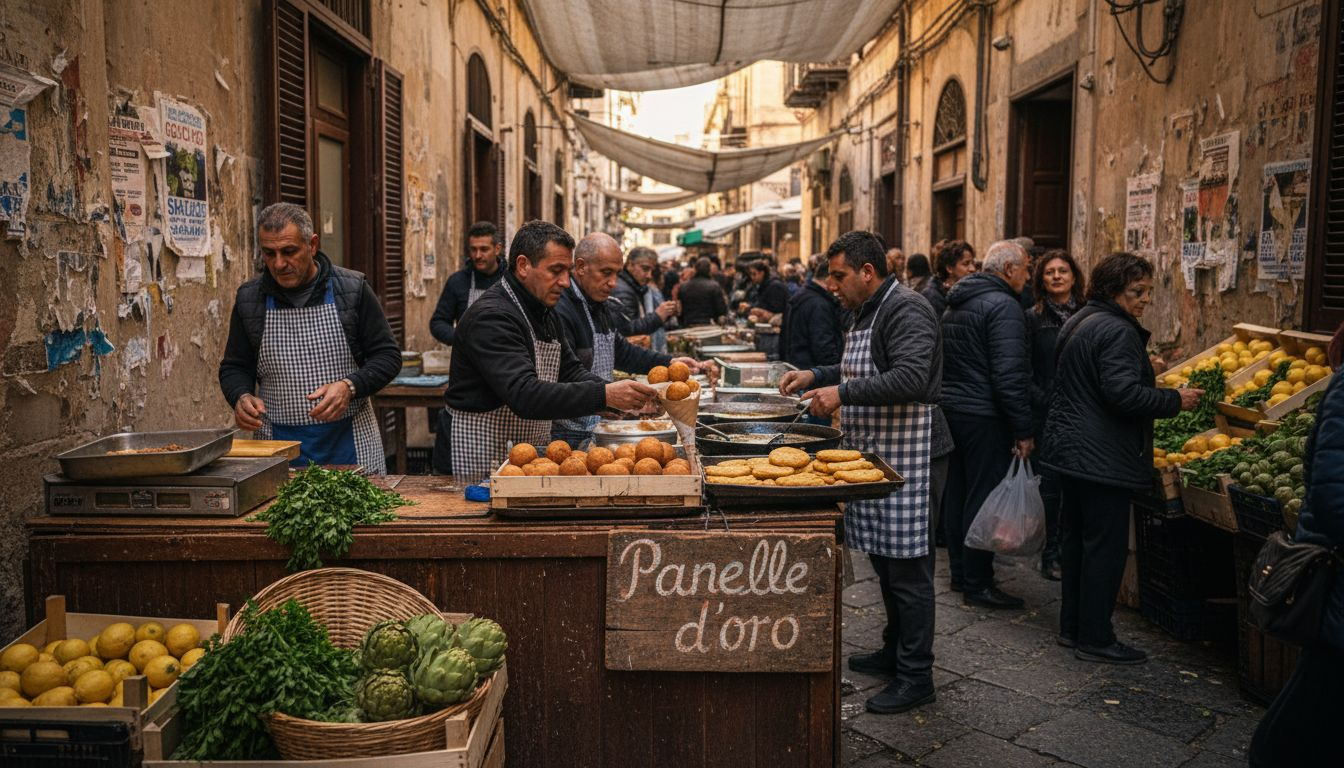
Ballarò and Vucciria markets in Palermo throb with energy. These historic spaces have fed communities for centuries. Vendors arrange colorful produce, call out prices, and banter with regular customers who’ve visited for decades. The markets create rhythm in urban life, marking mornings with shopping routines and evenings with social gatherings.
Family-run stalls maintain culinary heritage. Grandparents teach grandchildren preparation methods passed down through generations. These recipes never get written down. They live in demonstrated technique and tasted corrections. A vendor’s knowledge represents decades of family wisdom about ingredient ratios, cooking times, and customer preferences.
Street food eating acts as social bonding:
- Families gather around vendor stalls during evening walks
- Friends meet at favorite spots to share plates and conversation
- Tourists and locals interact through food, breaking cultural barriers
- Vendors become neighborhood fixtures, remembering customer preferences
“The market is where Sicily’s heart beats loudest. Every transaction carries stories, every dish connects generations.”
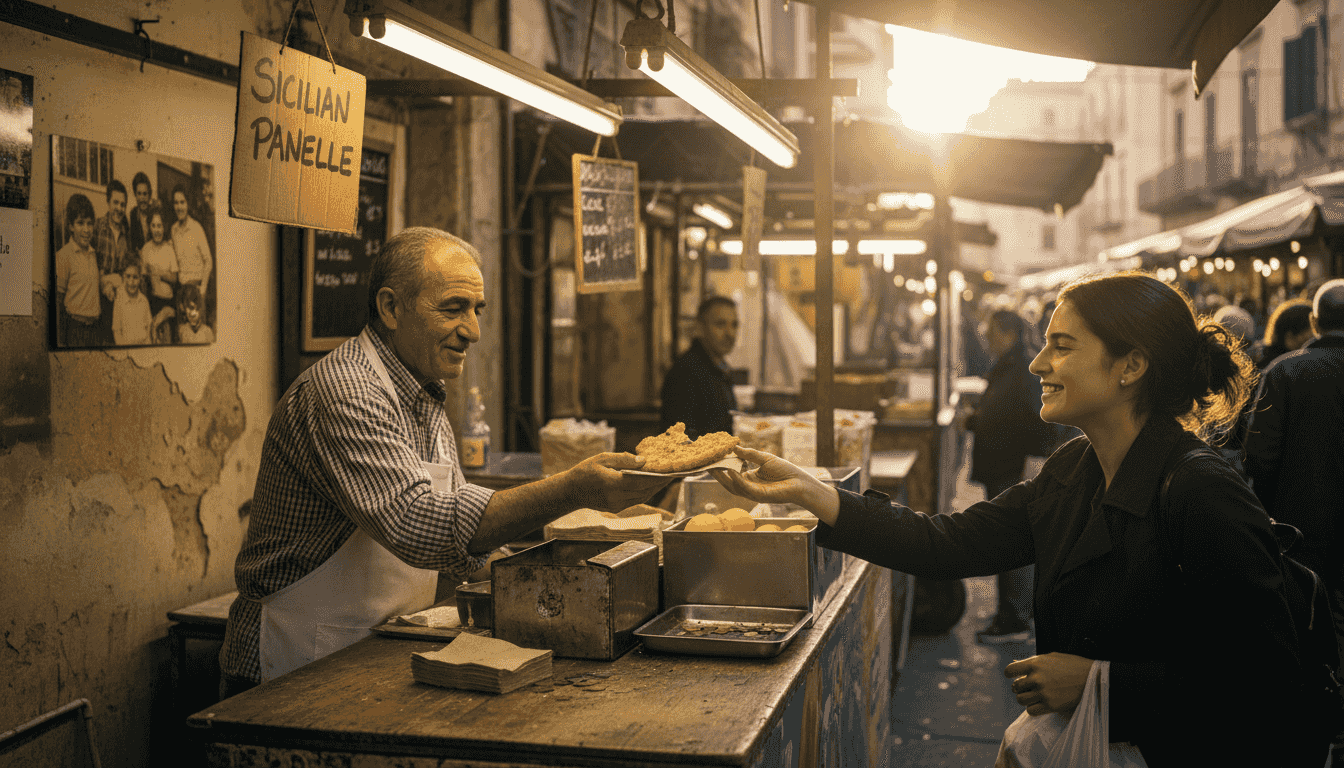
These interactions reveal Sicilian hospitality naturally. Vendors recommend dishes, explain ingredients, and share preparation secrets with curious travelers. They take pride in their craft and heritage, eager to educate those who show genuine interest. This transforms eating from transaction to cultural exchange.
Pro Tip: Return to the same vendor multiple times during your visit. They’ll remember you, offer recommendations, and share stories that deepen your understanding of Sicilian food culture.
Economic and tourism impact of Sicilian street food
Street food markets sustain local economies through interconnected business relationships. The culinary tourism boom creates ripple effects benefiting multiple economic sectors simultaneously.
Vendor businesses support family livelihoods directly. Many stalls operate with minimal overhead, passing profits to families who’ve relied on this income for generations. Economic continuity preserves both recipes and community stability. When tourists spend money at these stalls, funds stay within local communities rather than flowing to corporate entities.
Food tourism creates ingredient demand that benefits Sicilian farmers and producers. Fresh vegetables, local cheeses, olive oil, seafood, and specialty items gain value through culinary tourism. This economic connection incentivizes agricultural preservation and artisanal production methods that might otherwise disappear under industrial pressure.
How street food tourism benefits Sicily’s economy:
- Direct vendor income supports multi-generational family businesses and employment
- Ingredient demand creates markets for local farmers and artisanal producers
- Tourism infrastructure investment generates construction and service jobs
- Cultural preservation becomes economically viable through visitor spending
- Urban revitalization occurs as markets attract investment to historic neighborhoods
Markets attract thousands of visitors daily during peak seasons. Palermo’s Ballarò market alone draws international food tourists who spend money on accommodations, transportation, and additional local experiences. This concentrated economic activity helps justify infrastructure improvements and cultural preservation efforts.
Small business growth flourishes around established markets. Restaurants, shops, and service providers cluster near popular food districts. They benefit from foot traffic while contributing to vibrant urban environments that attract more visitors. This creates positive economic cycles where culinary tradition drives broader prosperity.
The economic model proves sustainable because it builds on authentic cultural assets. Unlike manufactured tourist attractions, street food markets existed for practical community purposes long before tourism. Their authenticity attracts visitors seeking genuine experiences, creating demand that supports rather than exploits local culture.
Comparison of street food culture in Palermo vs Catania
Sicily’s two largest cities developed distinct culinary identities reflecting their unique histories, geographies, and cultural influences. Understanding these differences enhances appreciation for Sicily’s internal diversity.
| Aspect | Palermo | Catania |
|---|---|---|
| Signature dishes | Panelle, pani câ meusa, round arancini | Cone arancini, fresh seafood, horse meat |
| Primary influences | Arab, Norman, North African | Greek, volcanic agriculture, maritime |
| Market atmosphere | Chaotic, vibrant, multicultural | Organized, fish-focused, volcanic produce |
| Cooking methods | Heavy frying, organ meats | Fresh preparation, grilling, raw seafood |
| Cultural identity | Cosmopolitan fusion | Agricultural and volcanic pride |
Palermo’s food culture centers on fried foods and organ meats. Arab influence remains strongest here, visible in spice use and preparation methods. Historic markets like Ballarò showcase incredible diversity. Vendors sell everything from traditional Sicilian items to North African spices, reflecting the city’s position as a Mediterranean crossroads.
Catania’s cuisine reflects volcanic geography and fishing traditions. Mount Etna’s fertile soil produces distinctive vegetables with intense flavors. Seafood dominates morning markets as fishing boats return with fresh catches. Raw preparations like sea urchin and oysters showcase confidence in ingredient quality.
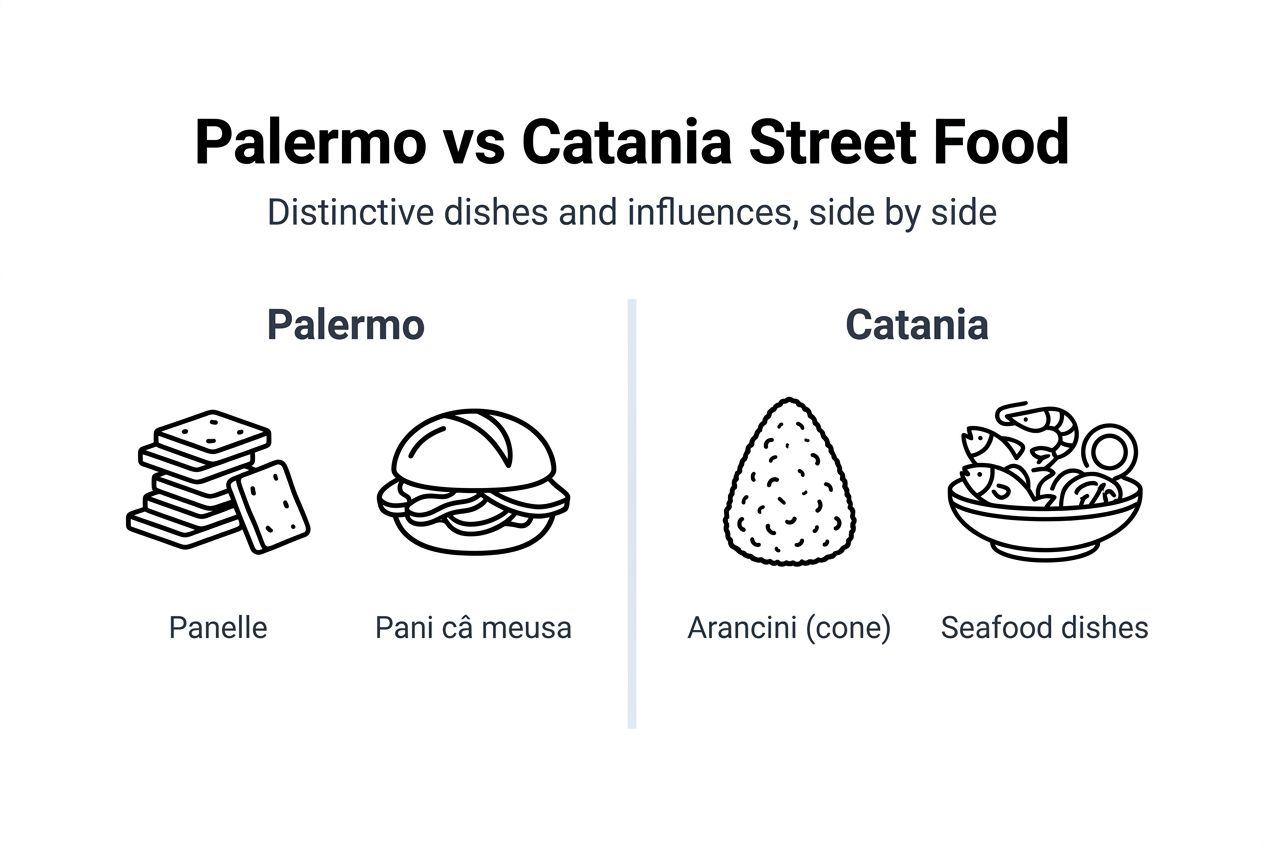
Arancini shape differences symbolize regional pride. This seemingly minor variation sparks genuine debate among Sicilians about authenticity and tradition. Both cities claim their version as original, reflecting deep connections between food and local identity.
Key distinctions:
- Palermo emphasizes complex spice blends and multicultural fusion
- Catania highlights fresh ingredients and simple preparations that showcase quality
- Western Sicily favors rich, hearty street foods sustaining workers
- Eastern Sicily incorporates more seafood and volcanic produce
Vendor styles differ between cities. Palermo’s chaotic market energy contrasts with Catania’s more organized fish market structure. Both authentic, they offer distinct experiences. Palermo feels like sensory overload with competing vendor calls and dense crowds. Catania’s fish market presents theatrical displays of maritime bounty arranged with artistic precision.
Seasonality and festival-related food variations
Sicilian street food shifts with agricultural cycles and cultural celebrations. Festivals introduce specialty foods tied to religious observances and seasonal traditions, deepening connections between food and cultural identity.
Seasonal ingredients drive menu changes. Spring brings fresh fava beans, artichokes, and wild greens into street preparations. Summer features tomatoes, eggplant, and abundant seafood. Fall introduces mushrooms and chestnuts. Winter markets showcase citrus fruits, particularly blood oranges unique to Mount Etna’s slopes.
Festivals create special culinary moments throughout the year:
- Saint Agatha Festival (February): Cassatelle and minne di Sant’Agata pastries in Catania
- Easter celebrations: Lamb dishes and ricotta-based sweets across Sicily
- Feast of Santa Rosalia (July): Sfincione and grilled meats in Palermo
- All Saints Day (November): Frutti di Martorana marzipan fruits
- Christmas season: Buccellati fig cookies and special nougats
Religious festivals embed food in spiritual practice. Specific pastries honor saints through symbolic shapes and ingredients. For example, minne di Sant’Agata are dome-shaped ricotta pastries commemorating the saint’s martyrdom. These foods appear only during festival periods, making them special cultural markers.
Community celebrations integrate food rituals that strengthen collective identity. Preparing festival foods becomes participatory tradition. Families make special dishes together, sharing techniques and stories. Street vendors offer these seasonal items, making celebrations accessible to everyone regardless of economic status.
Understanding seasonality helps you plan visits strategically. Timing your trip to coincide with major festivals provides access to unique foods and cultural experiences unavailable other times. Even without festivals, seasonal ingredients ensure the freshest, most flavorful street food that reflects Sicily’s agricultural rhythms.
Common misconceptions about Sicilian street food
Several persistent myths prevent travelers from fully appreciating Sicilian street food’s cultural significance and diversity. Correcting these misconceptions opens doors to richer experiences.
Myth versus reality:
- Myth: All street food is fried and unhealthy. Reality: Panelle, fresh seafood preparations, and vegetable-based dishes offer nutritious options reflecting Mediterranean diet principles.
- Myth: Street food is uniform across Sicily. Reality: Strong regional variations exist between cities, coastal areas, and inland regions based on history and local ingredients.
- Myth: Street food is casual with little cultural meaning. Reality: Markets function as social institutions preserving multi-generational traditions and community identity.
- Myth: Street vendors are unregulated and potentially unsafe. Reality: Many vendors operate licensed family businesses maintaining high standards for generations.
- Myth: Street food is only for budget travelers. Reality: Culinary tourists of all budgets seek authentic experiences that street food provides uniquely.
The health misconception overlooks Sicily’s Mediterranean foundation. While fried foods exist, many street options emphasize fresh vegetables, legumes, and seafood. Chickpea fritters provide protein. Grilled vegetables showcase seasonal produce. Raw seafood preparations highlight quality ingredients. These options align with healthy eating patterns.
Uniformity assumptions miss Sicily’s remarkable diversity. A thirty-mile drive can reveal completely different specialties, preparation methods, and flavor profiles. This reflects the island’s history of isolated communities developing distinct traditions. Treating Sicily as monolithic culinary destination means missing incredible variety.
Dismissing cultural significance ignores how food functions in Sicilian society. Street food represents living heritage connecting present to past. Recipes encode historical influences, family wisdom, and community identity. Eating becomes cultural participation when approached with understanding.
Clarifying these misconceptions prepares you for authentic engagement. You’ll seek diverse foods beyond fried options, appreciate regional differences, and recognize the cultural depth behind casual street eating.
Practical guide to tasting and exploring Sicilian street food
Transform cultural knowledge into immersive experiences through strategic exploration. These practical tips help you navigate markets confidently and appreciate street food’s full cultural dimension.
Locate authentic vendors by observing local customer patterns. Long lines of Sicilians indicate quality and tradition. Multi-generational family operations signal preserved recipes and reliable preparation. Fresh ingredients displayed prominently demonstrate commitment to quality. Avoid tourist-focused stalls with laminated menus in multiple languages, they often compromise authenticity for volume.
Engage multiple senses for complete appreciation:
- Smell: Notice spices, frying oil quality, and fresh ingredient aromas
- Sight: Observe preparation methods, ingredient handling, and vendor pride
- Sound: Listen to vendor calls, sizzling preparations, and market energy
- Taste: Focus on flavor layers revealing historical influences
- Touch: Feel market atmosphere through crowded passages and social interactions
Best practices for market exploration:
- Visit morning markets (8-11am) for freshest ingredients and peak energy
- Return to Ballarò or Vucciria markets in Palermo for iconic experiences
- Explore Catania’s fish market for spectacular seafood displays
- Bring small bills for easy vendor transactions
- Arrive hungry but pace yourself to sample multiple items
- Ask vendors for recommendations rather than defaulting to familiar items
Use cultural knowledge about unique Sicilian cuisine while tasting. Recognize Arab spices in one dish, Norman meat preparations in another. Connect arancini shapes to regional identity. Notice seasonal ingredients reflecting agricultural cycles. This transforms eating from consumption to cultural education.
Understanding food types helps you plan strategic sampling. Balance fried items with fresh preparations. Try regional specialties in their home cities. Seek festival foods if your timing aligns. This approach ensures comprehensive exposure to Sicily’s culinary diversity.
Pro Tip: Learn basic Italian food terms like “fresco” (fresh), “fatto in casa” (homemade), and “di stagione” (seasonal). This vocabulary helps you ask informed questions and shows respect for local culture.
Booking authentic tours provides structured learning from knowledgeable guides. They access vendors, explain cultural context, and facilitate interactions you might miss independently. Experiencing Sicily like a local requires guidance initially, building confidence for independent exploration later.
Essential travel tips prepare first-time visitors for market environments. Understand crowd patterns, dress appropriately, and manage expectations about pace and organization. Markets operate on Sicilian time with flexible schedules and spontaneous closures.
Experience authentic Sicilian street food culture
Ready to transform street food knowledge into unforgettable cultural experiences? Authentic Sicily tours connect you with expert guides who reveal hidden market gems and facilitate meaningful vendor interactions. Our carefully curated experiences go beyond surface-level tastings to explore the historical and cultural layers that make Sicilian street food extraordinary.

First-time visitors benefit from essential travel tips that prepare you for market environments and local customs. Explore our comprehensive guide to Sicilian food types to plan your culinary journey strategically, ensuring you experience the full range of Sicily’s diverse flavors.
Frequently asked questions about Sicilian street food
What are the must-try Sicilian street foods for first-time visitors?
Start with arancini in both Palermo (round) and Catania (cone-shaped) to experience regional differences firsthand. Try panelle chickpea fritters and sfincione for vegetarian options that showcase Arab and Norman influences. If adventurous, sample pani câ meusa spleen sandwich in Palermo for an authentic local experience. These core items provide a solid introduction to Sicily’s diverse street food traditions.
How can vegetarians enjoy Sicilian street food?
Panelle chickpea fritters are ubiquitous vegetarian options with historical significance. Sfincione focaccia (verify it lacks anchovies if strictly vegetarian) provides another filling choice. Many markets offer grilled vegetables, fresh salads, and legume-based preparations reflecting Mediterranean diet principles. Arancini with vegetable fillings appear in some locations, though meat versions dominate.
When is the best time to visit street food markets for festivals?
February in Catania for Saint Agatha Festival offers unique pastries and heightened cultural energy. July in Palermo during the Feast of Santa Rosalia brings special grilled meats and sfincione. November around All Saints Day showcases marzipan fruits throughout Sicily. Easter week across the island features lamb dishes and ricotta sweets. Check specific 2026 dates as festivals follow religious calendars.
How do regional differences affect the street food you find in Sicily?
Western Sicily around Palermo emphasizes fried foods, organ meats, and Arab spice influences with chaotic market atmospheres. Eastern Sicily near Catania focuses on fresh seafood, volcanic produce, and Greek culinary traditions with more organized market structures. Coastal areas offer more seafood preparations while inland regions feature meat and cheese specialties. Even arancini shapes vary by city, reflecting deep regional pride.
Are Sicilian street food vendors family-owned businesses?
Most traditional vendors represent multi-generational family operations preserving recipes passed down through decades or centuries. These families maintain preparation methods, ingredient sources, and customer relationships that define authentic street food culture. Grandparents teach grandchildren techniques that never get written down, creating living culinary heritage. This family continuity ensures recipe preservation and cultural authenticity that distinguish Sicilian street food from generic tourist fare.