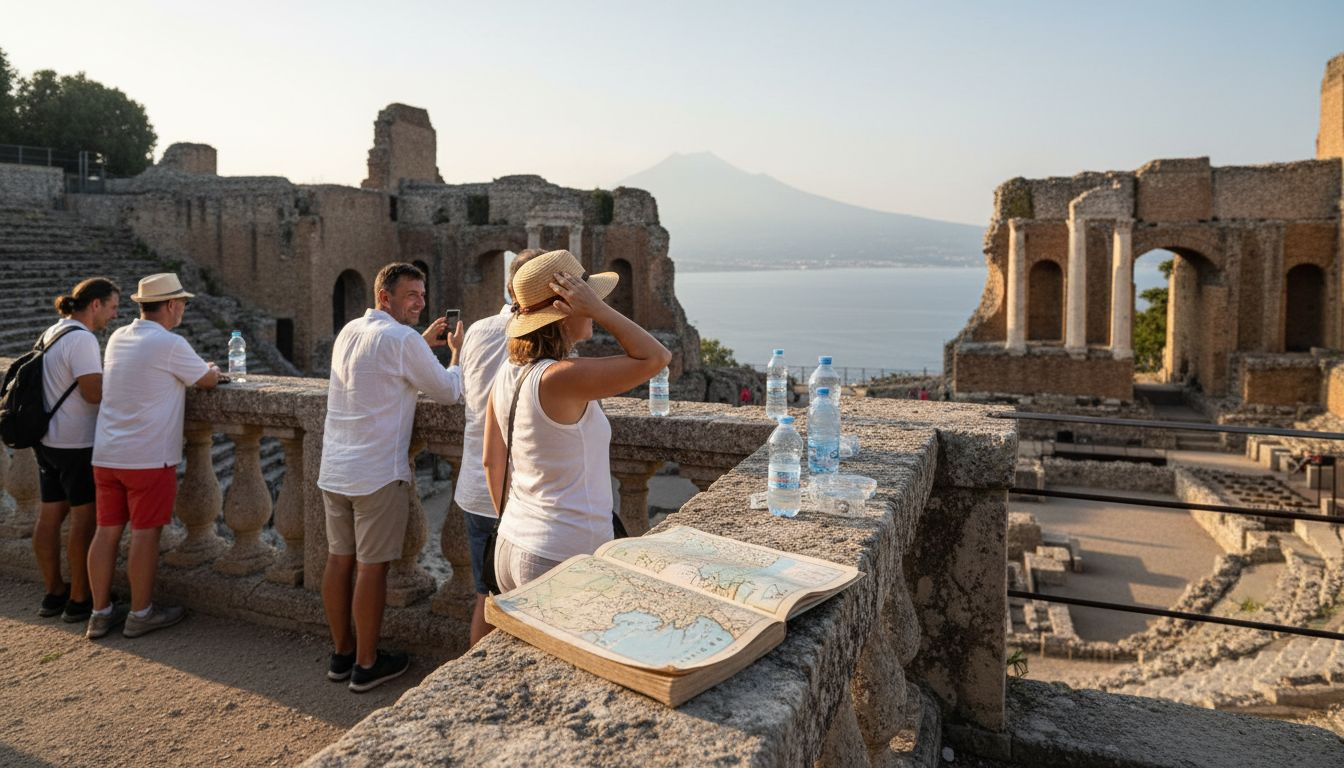

Searching for a destination where history and culture converge can feel overwhelming. Taormina stands out because its nearly 2,500-year-old story is woven into every street and landmark, making it a must-see for travelers exploring Sicily. As you discover the Greek Theatre and stroll ancient squares, you experience a town whose global reputation stretches from Greek origins to a celebrity-favored hotspot, offering rich heritage and unforgettable scenery.
Table of Contents
- Taormina’s Storied Past And Global Reputation
- Signature Landmarks And Iconic Sights
- The Role Of Taormina In Sicilian Culture
- Celebrity Appeal And Modern Popularity
- Planning Your Taormina Visit: Essential Tips
Key Takeaways
| Point | Details |
|---|---|
| Historical Significance | Taormina boasts a rich history spanning nearly 2,500 years, evolving from a Greek settlement to a sought-after tourist destination. |
| Cultural Fusion | The town showcases a unique blend of Greek, Roman, and Arab influences that shape its architectural and cultural identity. |
| Celebrity Magnetism | Taormina attracts celebrities and tourists alike, thanks to its stunning views and vibrant cultural scene, heightened by events like the Taormina Film Festival. |
| Strategic Planning for Visits | Optimal visiting times are spring (April-May) and fall (September-October) when crowds are manageable and weather is pleasant, enhancing the travel experience. |
Taormina’s Storied Past and Global Reputation
Taormina’s story spans nearly 2,500 years of continuous human civilization. Founded around 396 BC as a Greek settlement after the destruction of nearby Naxos, this cliffside town became a strategic stronghold. It thrived under Romans, Normans, and other rulers who recognized its unbeatable location and natural defenses.
What truly transformed Taormina was its rise as Europe’s premier tourist destination. Starting in the 18th century, wealthy travelers from Northern Europe discovered this hidden gem. They came for the ancient monuments, stayed for the breathtaking views, and returned home with stories that made Taormina legendary.
The Greek Theatre serves as the heart of Taormina’s identity and tourism appeal. This ancient structure, restored in 1740, became both a focal point for visitors and a symbol of local pride. Even today, the theatre hosts performances and draws thousands annually.
Why Taormina captured the imagination of wealthy Europeans:
- Strategic position high above the Ionian Sea
- Well-preserved Greek and Roman ruins
- Perfect climate and stunning natural scenery
- Blend of multiple cultural influences
- Accessibility via improved 19th-century travel routes
Taormina’s evolution reflects Sicily’s broader appeal—a fascinating mix of history, culture, and landscape that draws curious travelers. Unlike stereotypes suggesting locals were unaware of their town’s significance, historical research reveals Taormina’s complex socio-political structure. Locals understood their home’s value and actively shaped its development.
By the 19th and 20th centuries, Taormina had become a must-see destination for artists, writers, and aristocrats. This reputation persists today—it remains one of Sicily’s most photographed and visited towns.
Taormina’s transformation from ancient Greek settlement to European tourist haven happened gradually, driven by a unique combination of geography, history, and cultural magnetism.
Pro tip: Visit the Greek Theatre early in the morning before crowds arrive to experience this iconic structure the way 18th-century travelers first saw it—with the sea stretched below you and few others around.
Signature Landmarks and Iconic Sights
Taormina’s landmarks tell the story of civilizations that left their mark on this dramatic coastline. Each structure reveals layers of history—from Greek ambition to Roman power to medieval resilience. Walking through town, you’re literally stepping through centuries.
The Greek Theatre dominates Taormina’s skyline and visitor experience. Built in the 3rd century BC, this ancient amphitheater sits 200 meters above sea level with unobstructed views of Mount Etna and the Ionian Sea. The theatre still hosts concerts, opera, and classical performances during summer months, blending ancient history with modern culture.
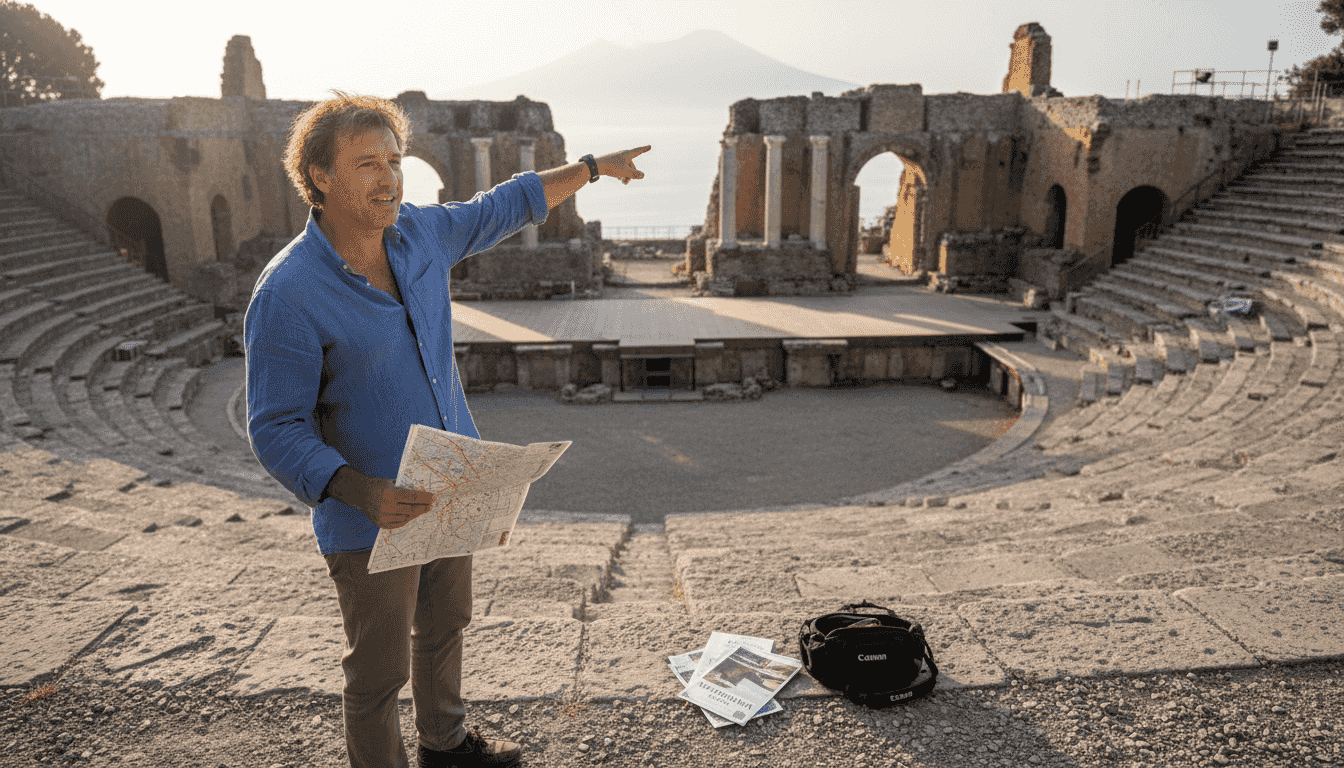
What makes this theatre different from others across Sicily is its theatrical setting. The natural landscape becomes part of the performance—the sea, the volcano, the sky all contribute to the experience. This is why the Greeks originally chose this location.
Other essential landmarks worth your time:
- Piazza IX Aprile – The main square offering 360-degree views and the Church of San Agostino
- Palazzo Corvaja – A 15th-century noble residence showcasing Gothic and Arab-Norman architecture
- The Medieval Castle ruins – Perched above town with panoramic vistas
- Odeon Theatre – A smaller Roman theatre used for chamber performances
- Cathedral of San Nicolò – A baroque masterpiece in the town center
Beyond individual buildings, the town layout itself functions as a landmark. The narrow cobblestone streets, arched passageways, and steep staircases create an authentic medieval atmosphere. Visitors often discover hidden piazzas and viewpoints while wandering—these discoveries feel personal and memorable.
Here’s a summary of Taormina’s most iconic landmarks and what makes each unique:
| Landmark | Architectural Style | Main Attraction | Visitor Experience |
|---|---|---|---|
| Greek Theatre | Ancient Greek-Roman | Concerts, opera, panoramic views | Dramatic scenery, performances |
| Piazza IX Aprile | Medieval/Renaissance | Main square, Church of San Agostino | Scenic views, lively atmosphere |
| Palazzo Corvaja | Gothic/Arab-Norman | Historic residence, museum | Architectural blend, history |
| Odeon Theatre | Roman | Chamber music, intimate shows | Smaller venue, cultural events |
| Cathedral of San Nicolò | Baroque | Town center basilica | Religious art, local culture |
| Medieval Castle ruins | Medieval | Hilltop ruins, panoramic vistas | Exploration, photography |
If you’re comparing Taormina to other major Sicilian destinations, understand that while Palermo offers more diverse cultural attractions, Taormina specializes in concentrated historical beauty combined with natural scenery.
The combination of accessibility, preservation quality, and dramatic setting makes these landmarks universally recognizable. Photographs from Taormina’s Greek Theatre have appeared in countless travel magazines, making it one of the most iconic backdrops in Mediterranean tourism.
Taormina’s landmarks work together as a complete historical experience—no single site stands alone; they’re connected by centuries of human occupation and the stunning landscape that brought people here originally.
Pro tip: Purchase a combined ticket for the Greek Theatre and Odeon Theatre, then visit the Greek Theatre at sunset when the light transforms the ancient stones golden and Mount Etna glows in the distance.
The Role of Taormina in Sicilian Culture
Taormina represents something unique in Sicilian identity—a living bridge between ancient civilizations and modern Sicily. This isn’t just a tourist town; it’s a cultural anchor that shapes how people understand the entire island.
The town’s multi-layered heritage comes from centuries of occupation. Greek colonists arrived first, followed by Romans, Arabs, Normans, and others who each left distinct cultural imprints. Taormina’s archaeological heritage includes monuments like the Hellenistic-Roman Theatre, which form essential parts of Sicilian identity.
What makes Taormina culturally significant is how it synthesizes these influences into something distinctly Sicilian. The architecture, local traditions, and even the landscape reflect this blending of cultures.
How Taormina shapes Sicilian culture:
- Serves as the primary symbol of Sicilian beauty and history internationally
- Preserves archaeological sites that educate visitors about Sicily’s past
- Maintains cultural festivals that reflect local traditions
- Creates economic opportunities that support traditional crafts and artisan work
- Functions as a cultural ambassador, influencing how outsiders perceive all of Sicily
Beyond monuments, Taormina’s vibrant cultural life includes festivals, religious celebrations, and local craftsmanship. The town hosts art exhibitions, theatrical performances, and music events that draw both locals and international audiences. These aren’t performances for tourists—they’re genuine expressions of community identity.
Food culture particularly showcases Taormina’s role in Sicilian identity. Local restaurants serve traditional dishes alongside modern interpretations, reflecting how Sicilian cuisine continues to evolve. The interplay between culinary tradition and contemporary food innovation demonstrates how Taormina maintains cultural relevance.
Young Sicilians consider Taormina a source of pride and identity. The town’s global recognition actually strengthens local cultural consciousness—residents understand they’re custodians of something meaningful.
Taormina’s cultural role extends beyond its borders; it’s become the primary lens through which outsiders understand Sicilian history, beauty, and identity.
Pro tip: Attend a summer festival or concert at the Greek Theatre to experience Taormina’s culture as locals do—participate in communal celebration rather than observing from the sidelines.
Celebrity Appeal and Modern Popularity
Taormina has always attracted the world’s most glamorous people. From 19th-century aristocrats to today’s A-list celebrities, this cliffside town holds a magnetic appeal for those seeking beauty, culture, and exclusivity combined.
The town’s celebrity magnetism didn’t happen by accident. Taormina evolved from a 19th-century Grand Tour destination to a contemporary luxury resort, attracting high-spending international visitors and creative elites. The transformation was gradual but consistent—each generation brought new famous names.
Film has played a crucial role in Taormina’s modern popularity. The Taormina Film Festival, held annually in the Greek Theatre, remains one of Europe’s most glamorous cinema events. Stars descend on the town each summer, walking red carpets against the backdrop of ancient stones and the Ionian Sea.
Recent festival history demonstrates Taormina’s continued relevance. The 25th anniversary celebration of the film Malèna honored Monica Bellucci at the festival, showcasing how the town celebrates cinema history. These events keep Taormina in the international spotlight.
Why celebrities choose Taormina:
- Privacy combined with iconic photo opportunities
- Luxury hospitality that rivals any European destination
- Cultural credibility—being there signals sophistication
- Historic prestige dating back centuries
- Stunning natural backdrop for photography and events
The celebrity connection creates a self-reinforcing cycle. Famous visitors attract media coverage, which attracts more visitors seeking the “celebrity experience.” Local businesses thrive on this reputation, maintaining high standards that justify premium pricing.
But here’s what matters for American travelers: You don’t need celebrity status to experience what draws famous people. The same views, restaurants, and accommodations that attract A-listers remain available to all visitors. You’re simply sharing the same town that captivates the world’s most discerning travelers.
Taormina’s modern popularity stems from authentic appeal—history, beauty, and culture that transcend celebrity endorsements. The famous simply arrive with larger security details.
Taormina’s celebrity appeal amplifies its actual appeal; famous visitors validate what the town genuinely offers, making it worthy of your travel investment.
Pro tip: Visit during shoulder season (April-May or September-October) to experience Taormina’s celebrity glamour without festival crowds, enjoying luxurious accommodations at lower rates.
Planning Your Taormina Visit: Essential Tips
Visiting Taormina requires thoughtful planning—this isn’t a place you stumble through randomly. The town’s popularity means crowds, limited parking, and accommodations that fill quickly. Smart preparation transforms your experience from overwhelming to unforgettable.
Timing matters significantly. Spring (April-May) and fall (September-October) offer ideal conditions: pleasant weather, manageable crowds, and comfortable temperatures for exploring steep streets. Summer brings peak tourist season and intense heat; winter quiets the town but closes many attractions.
Compare travel seasons in Taormina to help plan your visit:
| Season | Weather & Atmosphere | Crowds | Best For |
|---|---|---|---|
| Spring (Apr-May) | Mild, blooming landscapes | Moderate | Sightseeing, festivals |
| Summer (Jun-Aug) | Hot, bustling, peak tourism | Heavy | Events, nightlife |
| Fall (Sep-Oct) | Pleasant, quieter streets | Moderate | Relaxed stays, local culture |
| Winter (Nov-Mar) | Cool, some closures, tranquil | Low | Budget travel, peaceful visits |
Understanding Taormina’s best times to visit and transportation options helps shape realistic expectations. Most North American travelers need 2-3 days minimum to experience the town properly without feeling rushed.
How to approach your visit planning:
- Book accommodations 2-3 months ahead for summer travel
- Decide between staying in Taormina town or nearby Giardini-Naxos (quieter, more affordable)
- Purchase Greek Theatre tickets in advance during peak season
- Plan specific days for major attractions to avoid peak times
- Research restaurant reservations—popular spots fill weeks ahead
Accommodation choices define your experience. Mid-range hotels in Taormina offer great value but limited space; budget options cluster in surrounding areas; luxury properties command premium prices but include stunning views and exclusive amenities. Location matters more than star rating—being within walking distance of attractions justifies higher costs.
Transportation logistics can frustrate visitors. Taormina sits on a hillside; cars struggle with narrow streets and limited parking. The town is walkable once you arrive, but reaching it requires planning. The train station sits below in Giardini-Naxos with a cable car connection, or you can drive to the upper parking lots and walk downhill.
Pack appropriately for steep terrain. Comfortable walking shoes aren’t optional—they’re essential. The town features constant elevation changes, and cobblestone streets demand proper footwear.
Successful Taormina visits depend on advance planning, strategic timing, and realistic expectations about crowds and walking distances.
Pro tip: Book your Greek Theatre visit for early morning or late afternoon to avoid midday heat and peak crowds, giving you a more contemplative experience of this ancient space.
Discover Taormina Like a Local With Expert Insights
Planning a visit to Taormina can feel overwhelming with its rich history, iconic landmarks, and vibrant culture all waiting to be explored. This article highlights the challenge of balancing sightseeing with authentic experiences, understanding the best times to visit, and navigating the town’s unique geography. Whether you want to avoid crowds at the Greek Theatre or uncover hidden piazzas off the beaten path, knowing how to organize your trip is key.
Unlock the full experience by exploring Sicilian Traveler which offers detailed guides on what to do, where to go, and how to immerse yourself in Sicilian culture and history. Dive deeper into Taormina’s rich heritage and find tips on timing your visit to capture breathtaking views and vibrant festivals. Don’t just visit Taormina; experience it with insider knowledge that transforms your trip from crowded tourism to memorable discovery. Start planning today and make every moment in Taormina unforgettable.
Frequently Asked Questions
What is the history of Taormina?
Taormina was founded around 396 BC as a Greek settlement and has a rich history involving Romans, Normans, and other civilizations that appreciated its strategic high location and natural defenses.
Why is the Greek Theatre significant to Taormina?
The Greek Theatre is the heart of Taormina’s identity and tourism appeal, originally built in the 3rd century BC. It remains a popular venue for performances and offers stunning panoramic views of Mount Etna and the Ionian Sea.
How has Taormina influenced Sicilian culture?
Taormina preserves important archaeological sites and hosts cultural festivals that reflect local traditions, making it a living symbol of Sicilian beauty and history while also being a source of pride for the local community.
Why do celebrities visit Taormina?
Celebrities are drawn to Taormina for its stunning natural beauty, luxurious accommodations, privacy, and cultural credibility, as well as its historical prestige. The town has hosted many high-profile events, particularly the Taormina Film Festival.