Sicily can cost less than northern Italy, but there is no useful island-wide monthly figure. Rent in central Palermo, Catania or Ortigia bears little resemblance to rent in a small inland town. A car can erase much of the saving from cheaper housing, while an old, inefficient apartment can produce high summer and winter energy bills.
This guide is for people considering a long-term move. Holiday rentals and restaurant-heavy trips follow a different budget.
A realistic monthly budget
For one person renting alone, a practical planning range is:
| Expense | Lower-cost town | Palermo, Catania or Syracuse |
|---|---|---|
| Rent | €350–€550 | €550–€900+ |
| Utilities and internet | €120–€220 | €120–€240 |
| Groceries | €220–€320 | €240–€350 |
| Local transport | €35–€70 | €35–€70 |
| Personal and leisure | €150–€300 | €180–€400 |
| Planning total | €875–€1,460 | €1,125–€1,960+ |
These are planning ranges, not official minimums. A shared apartment can reduce the total considerably. A car, private health costs, frequent travel or a short-term furnished lease can push it much higher.
Rent is the deciding factor
In August 2026, Idealista’s advertised-rent report put the Sicilian average at €8.20 per square metre per month. Palermo and Catania were both around €9.50, Syracuse €9.20, Trapani €7.70 and Ragusa €6.60. Ortigia was substantially higher at €12.50.
Those figures describe advertised prices per square metre, not the final rent for every property. Condition, furniture, neighbourhood and lease length matter. Tourist areas also contain many homes offered only outside the summer season.
When comparing rentals, ask about:
- condominium fees;
- heating and air-conditioning;
- internet availability;
- the deposit and agency fee;
- whether the contract is properly registered;
- seasonal exclusions or a required move-out date;
- parking, if you need a car.
A cheap house in a remote area is not necessarily a cheap life. Add fuel, maintenance and the time required for every errand.
Utilities
Electricity is the expense most likely to surprise newcomers. Air-conditioning in July and August and electric heating in an inefficient home can change the bill quickly. Stone buildings may feel cool in summer but damp in winter.
For a small household, setting aside €120 to €240 per month for electricity, gas, water, waste charges and internet is a safer starting point than relying on a single average. Actual bills depend on the energy contract, the building and how much heating or cooling you use.
Before signing, ask to see recent bills and the property’s energy certificate. Also establish which charges are included in the rent.
Groceries and eating out
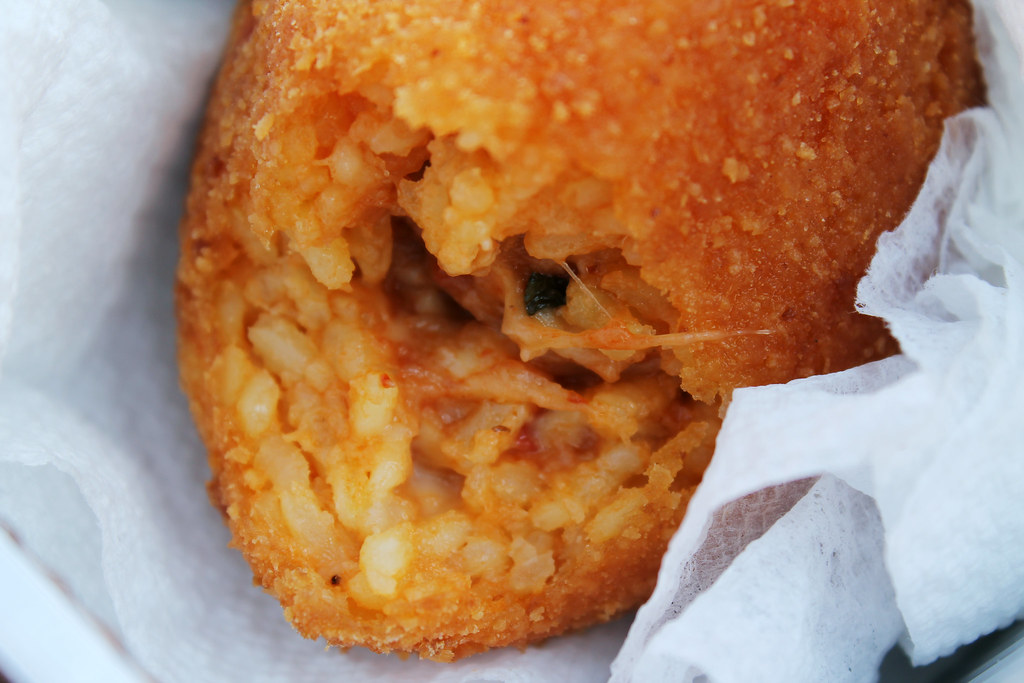
One person cooking most meals can reasonably plan around €55 to €80 a week for groceries. Local produce can be good value in season, but markets are not automatically cheaper than supermarkets. Compare the actual stall or shop rather than assuming one format always wins.
Eating out ranges from inexpensive street food and simple pizzerias to tourist pricing in Taormina, Ortigia, Cefalù and central Palermo. A low restaurant bill is possible, but it should not be used as the basis for a monthly budget if you eat out several times a week.
Transport
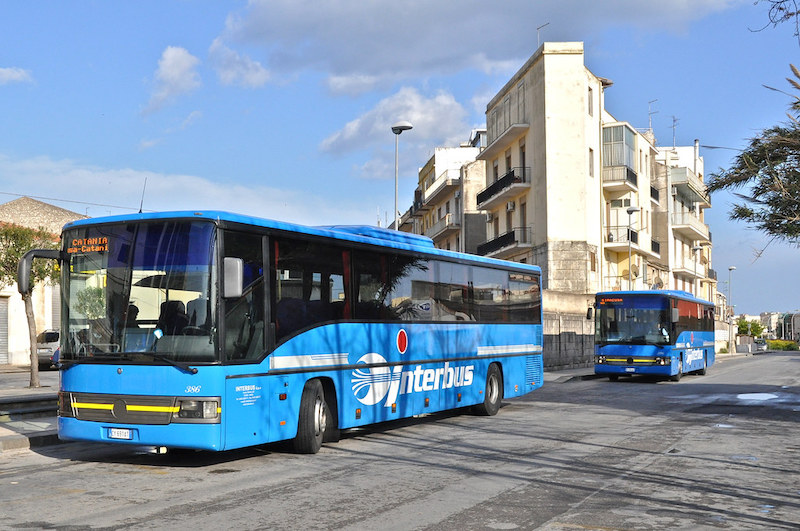
Public transport can support daily life in Palermo, Catania and Messina, especially if home and work are on the same route. Smaller towns often have limited evening and Sunday services.
A monthly local pass is usually cheaper than buying individual tickets every day. Current fares differ by operator, so check the municipal transport company before moving.
Owning a car adds fuel, insurance, tax, servicing, tyres and parking. It may still be necessary outside the main cities. If you are choosing between two homes, compare the total monthly cost of each location rather than rent alone. Our guide to getting around Sicily explains the practical trade-offs.
Palermo, Catania or a smaller town?
Palermo
Palermo has the widest range of services and neighbourhoods, but the centre and coastal areas command higher rents. Living without a car is possible in well-connected districts.
Catania
Catania offers a large rental market, an airport and useful rail and bus connections. Prices vary sharply between the centre, seafront and outer neighbourhoods.
Syracuse
Ortigia is beautiful but expensive and heavily shaped by short-term tourism. Mainland neighbourhoods such as Santa Lucia, Neapolis and Tiche can be more practical for year-round life.
Smaller cities and inland towns
Ragusa, Trapani, Marsala, Agrigento and many inland towns can offer lower rent. The compromise is often fewer jobs, less frequent public transport and a greater need for a car.
Costs people forget
- a deposit and agency commission at the beginning of a lease;
- private travel or health insurance before residency arrangements are complete;
- air-conditioning, dehumidifiers or winter heating;
- flights to mainland Europe;
- a car in places with weak public transport;
- furniture and appliances in an unfurnished home;
- Italian tax or immigration advice for a permanent move.
Is Sicily cheap to live in?
Sicily can offer good value, particularly if you have stable income and can choose where to live. It is not uniformly cheap. The most desirable historic centres and beach towns are exposed to tourism demand, and lower local salaries are an important part of the picture.
Build the budget around a real property in a real neighbourhood. Then add utilities, transport and a contingency of at least 10%. That produces a more honest answer than any single “average cost of living” number.
Data source
Housing figures are based on Idealista’s Sicily advertised-rent report for August 2026. Asking prices are not the same as signed lease prices and can change monthly.