
Travelers often picture island hopping as a breezy cruise through turquoise water, but in Sicily, the reality is more adventurous and meaningful. The true story behind island hopping begins in science, where it described how species moved between islands, not just people planning getaways. Understanding this deeper context clears up common myths and helps you plan a trip where each Sicilian island adds something unforgettable to your journey.
Table of Contents
- Sicilian Island Hop Defined and Debunked
- What Sicilian Island Hopping Actually Means
- Common Myths About Island Hopping
- Why Sicily’s Islands Are Perfect for Hopping
- Popular Routes and Island Variations
- The Classic Western Route
- The Aeolian Islands Adventure
- The Hidden Eastern Path
- Island Variations by Travel Style
- How Sicilian Island Hopping Works
- The Ferry System
- Building Your Daily Rhythm
- The Logistical Reality
- Timing Your Hops
- Accommodation Strategy
- Costs, Risks, and Planning Essentials
- Budget Breakdown
- Weather and Seasonal Risks
- Planning for Sustainable Travel
- Insurance and Documentation
- The Real Risks to Address
- Mistakes to Avoid When Island Hopping
- Underestimating Travel Time and Distance
- Trusting Only Online Reviews
- Focusing Only on Major Tourist Islands
- Over-Packing Your Itinerary
- Neglecting Seasonal Considerations
Key Takeaways
| Point | Details |
|---|---|
| Sicilian Island Hopping Defined | It involves visiting nearby islands to immerse yourself in their unique cultures, not just quick stops. |
| Travel Flexibility | Use ferries for transportation; plan your itinerary geographically to minimize backtracking and maximize exploration. |
| Focus on Local Experiences | Prioritize authentic encounters over tourist circuits for a richer experience. |
| Budgeting and Planning | Prepare for varying costs and seasonal challenges, with realistic expectations on ferry schedules and accommodation availability. |
Sicilian Island Hop Defined and Debunked
You’ve probably heard the term “island hopping” tossed around in travel blogs and vacation ads. But what does it actually mean, and is it the right fit for your Sicily adventure?
Island hopping isn’t a modern travel invention. The concept originated from biology and geology, where it described how species and organisms moved between islands across ocean expanses. In a scientific context, island hopping refers to sequential journeys between landmasses rather than one direct crossing, often aided by natural movement patterns.
When travelers adopted the term, they borrowed this foundational idea but flipped the context. Instead of studying how nature moves across islands, you’re actively moving yourself—island by island—exploring what each destination offers before heading to the next.
What Sicilian Island Hopping Actually Means
In Sicily’s context, island hopping means visiting the smaller islands surrounding the main island in a deliberate, intentional way. You’re not just passing through; you’re spending meaningful time on each island to experience its unique character.
Here’s what real Sicilian island hopping involves:
- Traveling between nearby islands using ferries or private boats
- Spending 1-3 days on each island before moving to the next
- Prioritizing local experiences over rushing through tourist checkpoints
- Building a multi-day itinerary that connects 3-5 islands logically
- Mixing adventure activities with cultural immersion
Real island hopping isn’t about checking boxes—it’s about building a coherent journey where each island adds something meaningful to your story.
Common Myths About Island Hopping
Myth 1: You need a boat to island hop. Wrong. Most Sicilian islands have regular ferry services that feel more like public transportation than adventure travel. You’re not chartering yachts or hiring private captains unless you want to.
Myth 2: Island hopping means visiting dozens of islands. False. Three to five islands across 7-10 days creates a rich, unhurried experience. Quality beats quantity here.
Myth 3: It’s only for extreme adventure seekers. Not at all. Island hopping suits everyone from cultural explorers to beach lovers to food-focused travelers. You design the pace and activities.
Myth 4: You’ll feel crowded with tourists. Some islands attract crowds, but many remain refreshingly quiet. Strategic timing and island selection matter more than the hopping itself.
The geological and evolutionary understanding of island movement helps clarify why these islands exist in clusters, making them natural destinations for sequential exploration rather than isolated trips.
Why Sicily’s Islands Are Perfect for Hopping
Sicily doesn’t sit alone in the Mediterranean. It’s surrounded by accessible, distinct islands—each with its own character, history, and natural beauty. The ferry systems are reliable and affordable, making logistics simple compared to island hopping in other regions.
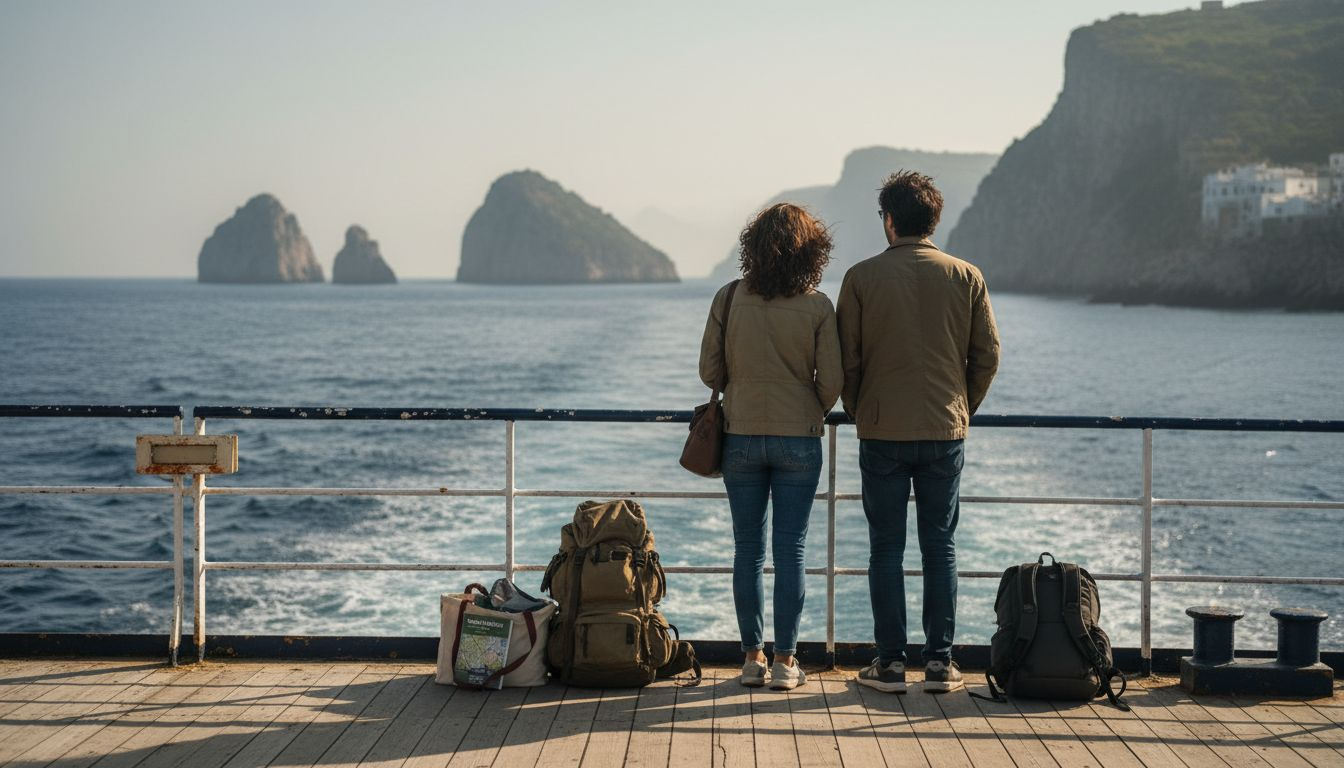
Distance between islands ranges from 15 minutes to 2 hours by boat. That’s manageable without exhausting travel days. You can actually spend substantial time exploring rather than constantly commuting.
Pro tip: Plan your island sequence geographically rather than alphabetically. Moving north to south or east to west reduces backtracking and ferry costs while creating a natural narrative flow through your trip.
Pro tip: Book your ferries in advance during peak season (June-August), but stay flexible with exact dates to capitalize on unexpected weather windows and local events happening on each island.
Popular Routes and Island Variations
Sicily’s surrounding islands don’t all offer the same experience. Some are rugged and wild, others are refined and developed, and a few remain virtually untouched. Your route choice shapes your entire adventure.
The beauty of Sicilian island hopping is flexibility. You’re not locked into one predetermined path. Instead, you can build a route that matches your travel style, timeframe, and what calls to you.
The Classic Western Route
This path connects three iconic islands: Favignana, Levanzo, and Marettimo. All three sit in the Egadi Islands archipelago, just off Sicily’s northwestern coast.
Here’s what you get:
- Favignana: Developed, with beaches and water sports dominate the scene
- Levanzo: Quieter, known for prehistoric cave paintings and calm waters
- Marettimo: Wild and dramatic, with hiking trails and untouched coastline
Travel time between islands runs 15-40 minutes by ferry. You can complete this route in 5-7 days comfortably.
The western route works perfectly for travelers wanting a mix of activity and tranquility without extreme remoteness.
The Aeolian Islands Adventure
Northeast of Sicily, the Aeolian Islands offer volcanic drama and raw beauty. Lipari, Vulcano, and Stromboli form the core experience, though Salina and Filicudi add depth for longer trips.
What sets this route apart:
- Active volcanoes you can actually hike
- Black sand beaches from lava flows
- Stronger adventure vibe than western islands
- More developed tourism infrastructure
- Ferry connections every few hours
This route demands 7-10 days to feel unhurried. Stromboli especially rewards extended time—the volcano glows dramatically at night.
The Hidden Eastern Path
Fewer North American and European travelers venture to the Pelagian Islands (Lampedusa and Linosa), which makes them extraordinary for those seeking authentic experiences. Lampedusa offers pristine beaches and a slower pace than crowded alternatives.
Linosa remains genuinely quiet, with volcanic beaches and minimal development. Ferry frequency is lower here, which filters out day-trippers.
Here’s how the main Sicilian island hopping routes differ:
| Route Name | Main Islands Visited | Unique Experiences | Best For |
|---|---|---|---|
| Classic Western Route | Favignana, Levanzo, Marettimo | Balanced activity and tranquility | First-time hoppers |
| Aeolian Islands Adventure | Lipari, Vulcano, Stromboli, Salina | Volcano hikes, black sand beaches | Adventure seekers |
| Hidden Eastern Path | Lampedusa, Linosa | Pristine quiet beaches, few tourists | Authentic, off-the-beaten-path |
Island Variations by Travel Style
Your approach determines which islands fit best:
- Beach and relaxation focus: Favignana, Levanzo, or Lampedusa
- Adventure and hiking: Marettimo, Stromboli, or Filicudi
- Cultural immersion: Lipari or Salina for history and local food
- Mixed experience: Any combination of the Aeolian Islands
Consider pairing a destination guide like the 6 best Sicilian towns to visit for authentic culture with your island route. Many travelers base themselves in a Sicilian town, then day-hop to islands, before returning for more cultural exploration.
Use this reference to select islands for your interests:
| Traveler Priority | Ideal Islands | Notable Highlights |
|---|---|---|
| Beach relaxation | Favignana, Lampedusa | Crystal waters, gentle shores |
| Volcano hiking | Stromboli, Vulcano | Active volcano treks, unique views |
| Local culture & cuisine | Lipari, Salina | Historic villages, food specialties |
Pro tip: Start with the western route if you’re new to island hopping, then progress to the Aeolian Islands on your next visit—this builds confidence while letting you experience different environments.
How Sicilian Island Hopping Works
The mechanics of island hopping are straightforward, but understanding them before you arrive makes your trip infinitely smoother. It’s not complicated, but it does require some planning.
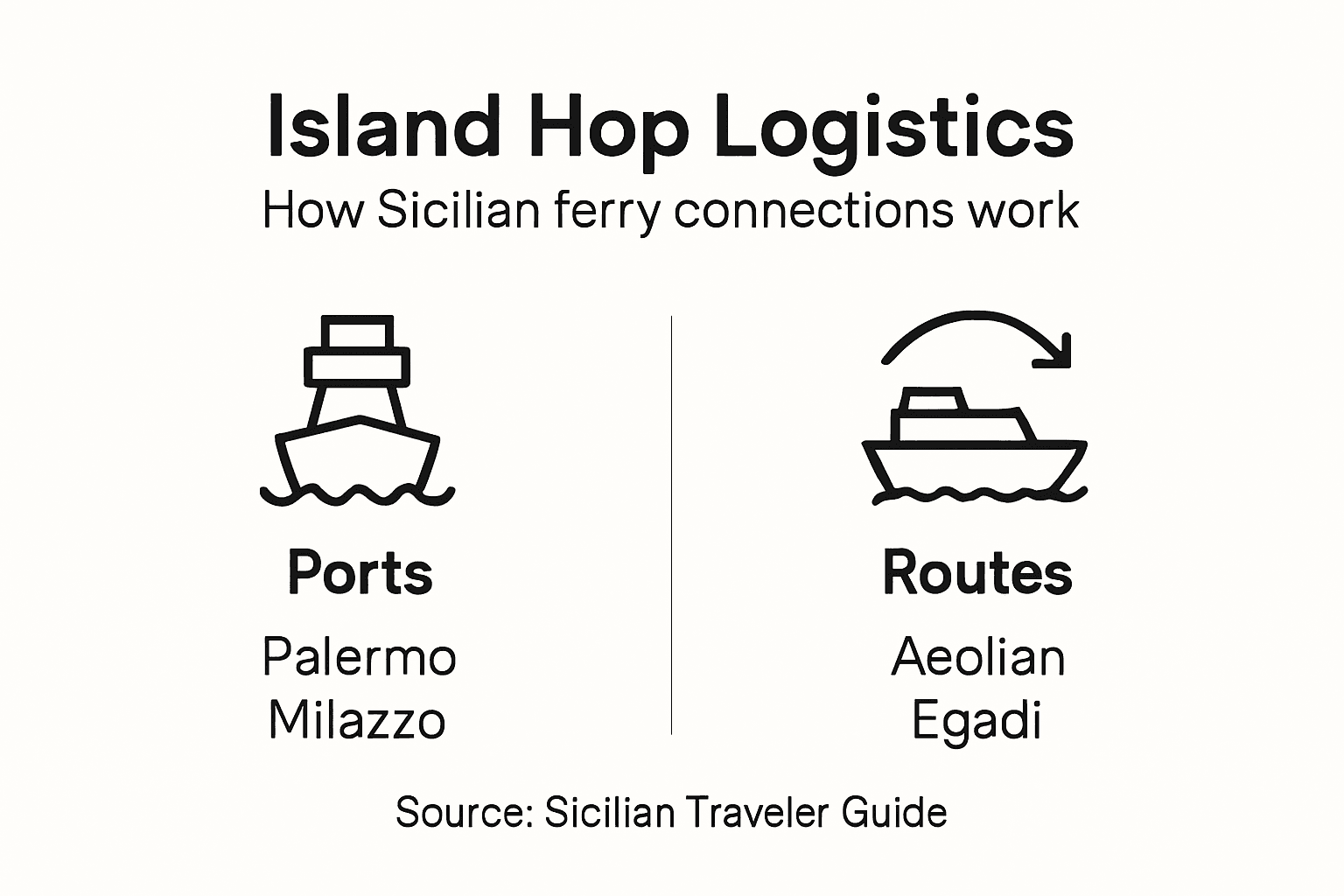
Sicilian island hopping operates through a system of regular ferry and hydrofoil connections from mainland ports. These aren’t luxury cruises or private charters—they’re practical transportation that locals use daily.
The Ferry System
Most Sicilian islands connect to the mainland through three primary ports: Milazzo (northeast), Palermo (north), and Trapani (northwest). From these hubs, ferry and hydrofoil services operate on set schedules throughout the day.
Here’s how it works:
- Ferries run multiple times daily to major islands
- Hydrofoils are faster (30-60 minutes) but cost more and carry fewer passengers
- Standard ferries are slower (1-2 hours) but cheaper and more frequent
- Winter schedules reduce frequency; summer adds extra sailings
- Peak season (June-August) demands advance booking
Ticket prices vary by distance and vessel type, typically ranging from €8-25 per journey.
The rhythm of island hopping follows ferry schedules, not your personal timeline—this is exactly the kind of relaxed travel style that makes the experience authentic.
Building Your Daily Rhythm
Unlike typical tourism where you rush between attractions, island hopping embraces a slower pace. You arrive by morning ferry, spend the full day exploring, and depart the next day or later.
A typical day looks like this:
- Arrive on island via morning ferry
- Check into accommodation (guesthouses, simple hotels, or farm stays)
- Spend afternoon exploring beaches, villages, or hiking trails
- Enjoy dinner with local specialties and wine
- Rest and plan the next island move
The Logistical Reality
You’ll carry luggage between islands. Keep it minimal—a backpack or rolling bag that fits ferry storage. Ferries accommodate baggage, but space fills quickly in peak season.
Book your major ferry journeys 2-3 days ahead during summer. Spontaneity works in shoulder seasons (April-May, September-October) when crowds thin out and schedules remain predictable.
Timing Your Hops
Most travelers spend 1-3 days per island before moving to the next. Rushing daily island hopping defeats the purpose and exhausts you. Two days on each island gives you genuine downtime plus meaningful exploration.
When planning your Sicily itinerary, factor ferry times into your schedule. A 90-minute crossing eats a travel day, so plan accordingly.
Accommodation Strategy
Book ahead for peak season, but locals recommend arriving flexible for shoulder seasons. Family-run guesthouses offer character and insider knowledge that chain hotels can’t match. Many owners provide ferry advice and local restaurant recommendations.
Pro tip: Download ferry schedules for all islands you’re visiting before departure—cellular data abroad can be unreliable, and having printouts ensures you never miss a connection.
Costs, Risks, and Planning Essentials
Island hopping sounds romantic until you start calculating ferry costs, accommodation prices, and weather delays. Being realistic about expenses and risks transforms daydreams into actual trips.
Budget Breakdown
A week of Sicilian island hopping costs less than many European vacations, but plan carefully. Here’s what your money covers:
- Ferry fares: €50-150 per person total (depending on route and hydrofoil usage)
- Accommodation: €40-100 per night for guesthouses and modest hotels
- Food: €30-50 daily if eating where locals eat; €60+ for tourist restaurants
- Activities: €20-40 per activity (boat tours, cave visits, hiking guides)
- Total weekly estimate: €800-1,500 per person
Smaller, less-developed islands cost significantly less than Lipari or Favignana. Remote islands like Linosa or Filicudi keep accommodation and dining prices low.
Budget wisely, but don’t chase bargains so aggressively that you miss the entire point—slower travel with locals teaches you more than rushing through cheaper options.
Weather and Seasonal Risks
Sicily’s islands face seasonal challenges. Winter ferries run less frequently; rough seas occasionally cancel sailings. Transport accessibility challenges on smaller islands intensify during winter months.
Plan around these realities:
- June-September: Peak season, predictable weather, full ferry schedules
- May and October: Excellent shoulder seasons, fewer crowds, reliable ferries
- November-April: Limited schedules, occasional cancellations, moody Mediterranean charm
- August: Hottest month, most crowded, highest prices
Build 1-2 flexibility days into your itinerary for weather delays. An extra night on an island beats missing a connection and paying premium prices for alternative travel.
Planning for Sustainable Travel
Overtourism threatens smaller islands. Integrated tourism planning helps balance visitor numbers with local resources and infrastructure capacity.
Travel responsibly by:
- Choosing shoulder seasons over peak summer
- Staying 2+ days per island instead of day-tripping
- Eating at family-run restaurants, not tourist chains
- Hiring local guides when exploring
- Respecting beach and hiking area rules
- Avoiding peak-hour ferry times when possible
Insurance and Documentation
European Union citizens need only a passport. Americans and Canadian citizens require valid passports valid for six months beyond travel dates. Travel insurance covering trip cancellations due to weather is genuinely valuable here.
Consider insurance that covers ferries delays and medical emergencies. Island clinics handle minor issues, but serious cases require transport to mainland hospitals.
The Real Risks to Address
Most “risks” aren’t dramatic—they’re logistical. Ferries get delayed. Accommodations fully book. Weather changes plans. These aren’t catastrophes; they’re simply the texture of island travel.
The only genuine risks involve poor planning: missing ferries due to misread schedules, arriving without summer reservations, or ignoring weather forecasts. None of these are unavoidable with reasonable preparation.
Pro tip: Purchase travel insurance specifically covering ferry cancellations, and maintain a backup list of 2-3 alternative islands for each day—this flexibility transforms potential frustrations into unexpected adventures.
Mistakes to Avoid When Island Hopping
Most island hopping failures aren’t dramatic disasters. They’re preventable mistakes that steal time from your adventure and drain your budget unnecessarily. Learn from others’ missteps before they become yours.
Underestimating Travel Time and Distance
This is the cardinal sin of island hopping. You see islands on a map that look close, then discover ferry schedules add hours to your day.
Common miscalculations include:
- Booking ferries assuming direct routes exist (they often don’t)
- Forgetting that 30-minute ferry rides mean 2+ hours total (getting there early, waiting, boarding)
- Planning island transfers on the same day as activities
- Expecting morning ferries to depart exactly on schedule
Common mistakes happen when travelers underestimate distances and travel times between islands. This creates rushed days and missed connections. Build buffer time into every day—it’s not wasted time; it’s breathing room.
A ferry journey eats a travel day. Plan accordingly or watch your itinerary collapse around logistical chaos.
Trusting Only Online Reviews
Tripadvisor and Google reviews tell you where other tourists ate, not where locals eat. A restaurant ranked #1 online might serve mediocre food at inflated prices.
Instead:
- Ask your guesthouse owner for restaurant recommendations
- Eat where you see locals eating, especially at lunch
- Avoid restaurants visible from ferry terminals
- Skip places with multilingual menus and picture boards
- Watch for family-run establishments with handwritten daily specials
Local recommendations transform your meals from tourist experiences into genuine cultural immersion.
Focusing Only on Major Tourist Islands
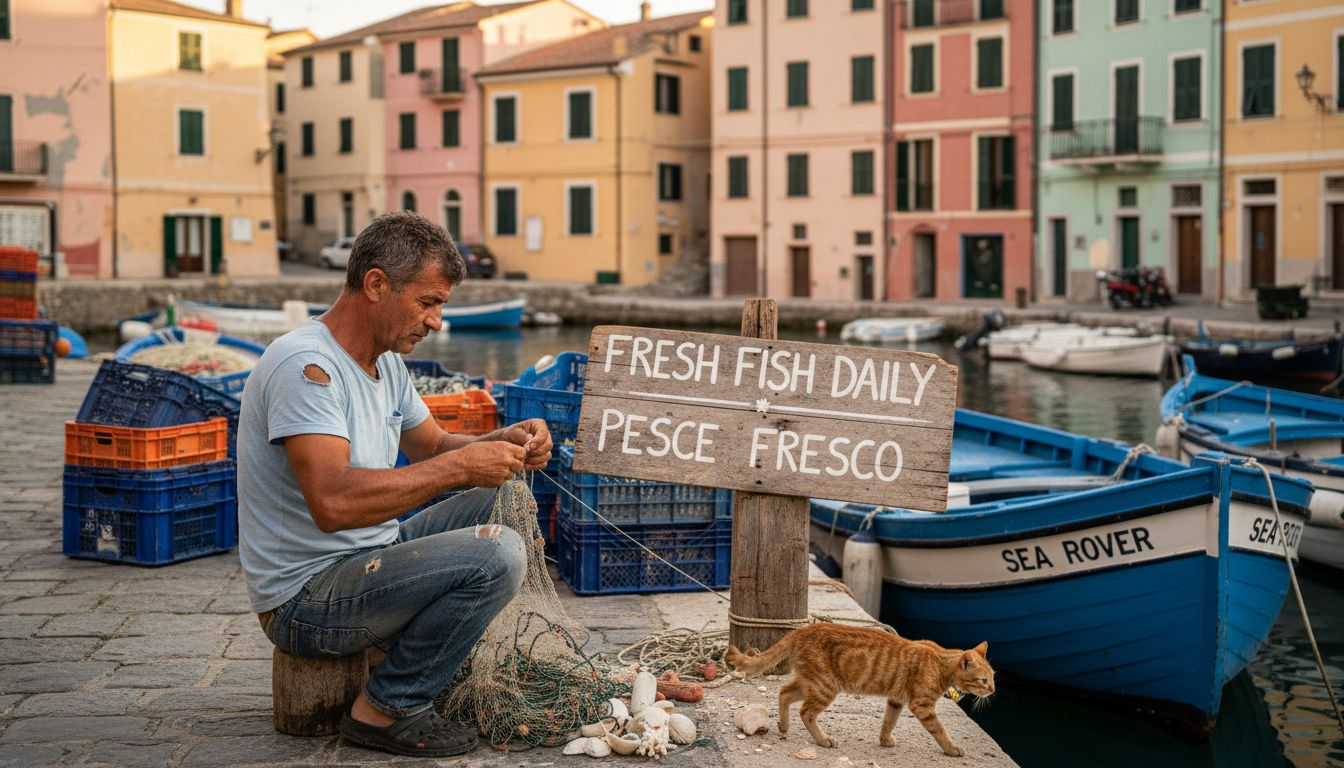
Favignana, Lipari, and Stromboli deserve your time, but they’re not the whole story. Smaller islands like Levanzo, Salina, and Filicudi offer deeper authenticity and fewer crowds.
Don’t make the mistake of visiting only well-known islands. Mix major destinations with quieter alternatives. Your best memories will come from unexpected places where tourism hasn’t yet transformed local life.
Over-Packing Your Itinerary
Visiting five islands in six days sounds ambitious until you’re exhausted from ferries, transfers, and constant moving. Quality exploration beats checkbox tourism every time.
A sustainable island hopping pace involves:
- 2-3 days per island minimum
- One ferry day per week maximum
- Time for unplanned discoveries
- Rest days without activities
Slowness is the feature, not a limitation.
Neglecting Seasonal Considerations
Arriving in August expecting calm beaches and good service guarantees frustration. June, May, and September-October offer better experiences with lower prices and reasonable crowds.
Winter island hopping works if you accept reduced ferry schedules and occasional weather delays. Don’t visit winter expecting summer conditions.
Pro tip: Spend your first day on each island simply walking around neighborhoods away from the waterfront—this reveals which restaurants locals patronize and which shops serve residents instead of tourists.
Unlock the True Essence of Sicilian Island Hopping with Expert Guidance
Planning your Sicilian island hopping adventure can feel overwhelming when facing ferry schedules, island variations, and the challenge of crafting a paced itinerary. If you want to avoid common pitfalls like rushed travel days or missing authentic local experiences, understanding the nuances of Sicily’s ferry systems and island personalities is key. The article highlights how meaningful travel requires embracing a slower rhythm with 2-3 days per island and trusting local advice over online reviews.

Explore in depth the unique culture, history, and hidden gems of each Sicilian island at Sicilian Traveler. Our expert blog offers insider tips on how to balance adventure and relaxation while helping you personalize your route. Discover where to find the best family-run guesthouses, authentic eateries, and cultural experiences that transform a simple island hop into a heartfelt journey. Start your planning on our comprehensive Sicilian Island Hop guide and complement it with insights from the best Sicilian towns to visit for authentic culture. Take charge of your trip today and make your Sicilian island hopping an unforgettable story filled with local charm and beautiful discoveries.
Frequently Asked Questions
What is island hopping in the context of Sicily?
Island hopping in Sicily refers to visiting smaller islands surrounding the main island in a deliberate and meaningful way, often using ferries or private boats, and spending 1-3 days on each island to experience its unique character.
How do I travel between the islands in Sicily?
You can travel between the islands in Sicily using regular ferry services or hydrofoils that connect the main ports to the islands. Ferries are the most common mode of transportation and run multiple times daily.
How many islands should I visit during my Sicilian island hopping adventure?
A well-rounded Sicilian island hopping adventure typically includes visiting 3-5 islands over a period of 7-10 days. This allows for a rich experience without feeling rushed, prioritizing quality over quantity.
What’s the best time of year for island hopping in Sicily?
The best times for island hopping in Sicily are during the shoulder seasons of May, June, September, and October. These months feature fewer crowds, nicer weather, and reliable ferry schedules compared to the peak summer months.