
Why Taormina Belongs on Every Sicily Itinerary
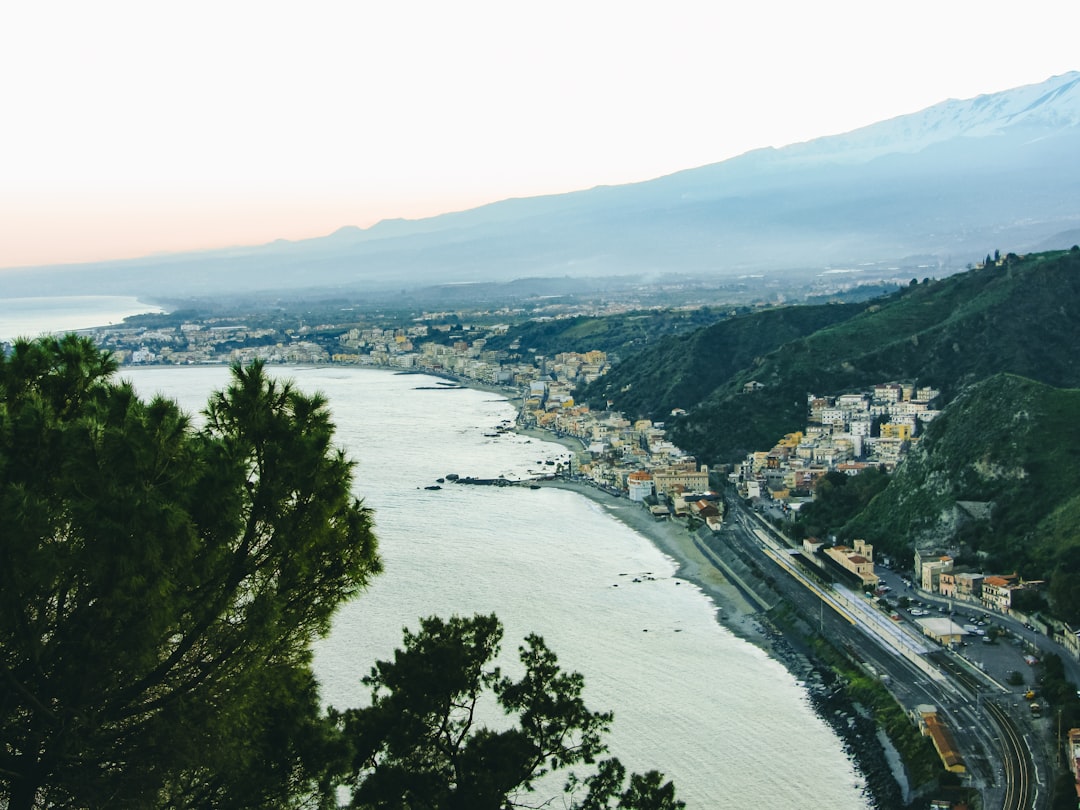
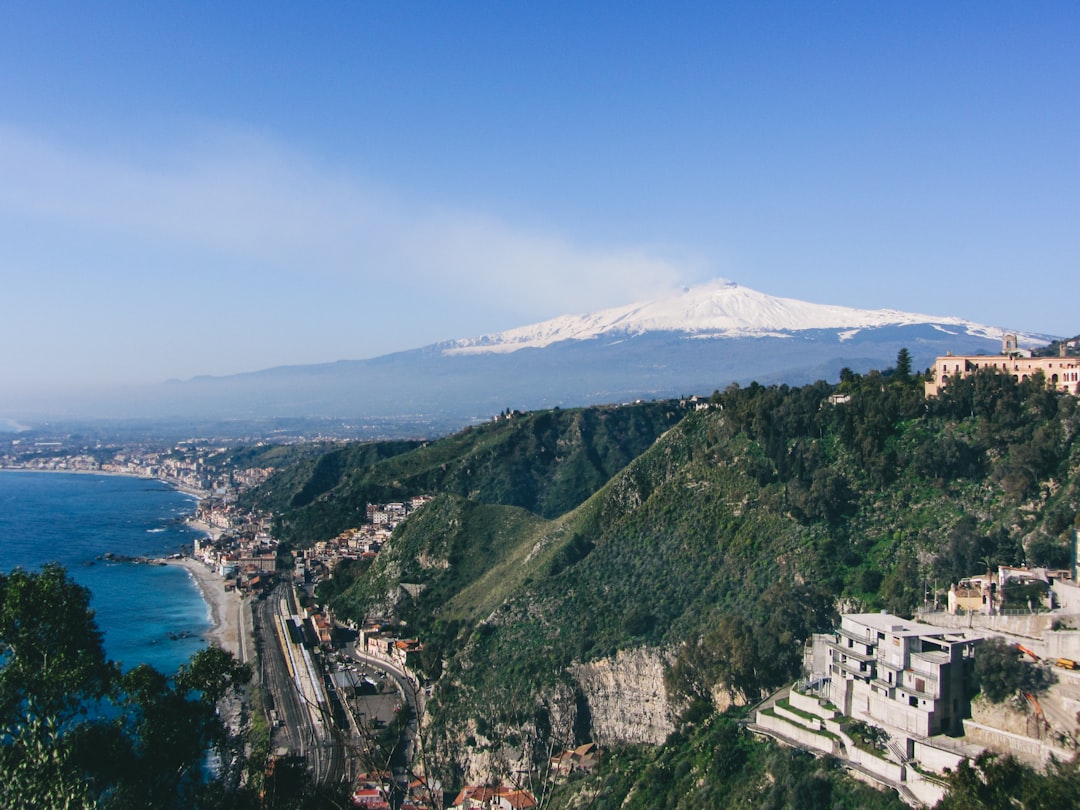
Perched 200 metres above the Ionian Sea on the slopes of Monte Tauro, Taormina is one of the most dramatically situated towns in all of the Mediterranean. With views that sweep across the blue sea to snow-capped Mount Etna on one side and the rugged Calabrian coast on the other, it’s easy to understand why this hilltop gem has been seducing travellers since the days of Goethe and Oscar Wilde.
Unlike many Sicilian destinations that reward slow, patient discovery, Taormina delivers its magic almost instantly. Step through its medieval gates and you’ll find a perfectly preserved corso (main street) lined with baroque palaces, baroque churches, bougainvillea-draped terraces, and artisan boutiques. The town is compact enough to walk entirely, yet rich enough to fill several days without exhausting its pleasures.
Whether you’re here for ancient history, beach days, fine Sicilian food, or simply to sit at a café terrace and stare at one of the world’s great views, Taormina delivers in style. This guide covers everything you need to know — from the must-see landmarks to the hidden corners that most tourists never find.
The Teatro Antico: Taormina’s Crown Jewel
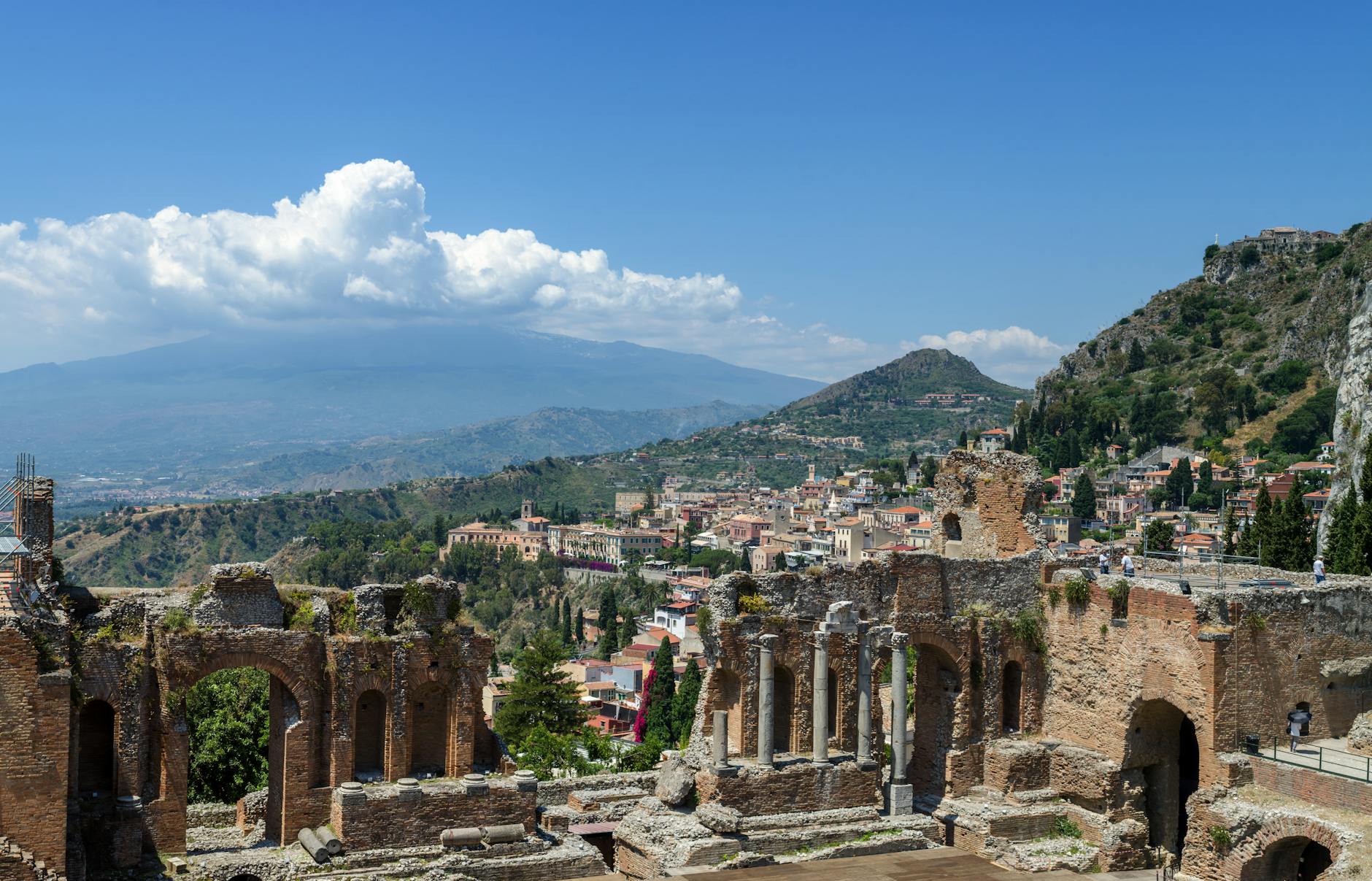
No visit to Taormina is complete without spending time at the Teatro Antico di Taormina, the ancient Greek theatre that sits at the very heart of the town’s identity. Originally built by the Greeks in the 3rd century BC and extensively remodelled by the Romans, it is one of the best-preserved ancient theatres in the world — and arguably the most spectacularly located.
What makes this theatre truly extraordinary is not its size or its state of preservation (though both are impressive), but its setting. From the semicircular cavea, your eye is drawn over the ruined stage columns, past the terracotta rooftops of Taormina, and directly to Mount Etna smoking on the horizon. On a clear day, the view alone is worth the entrance fee.
The theatre is open daily, and it’s worth arriving early in the morning to beat the crowds and enjoy the space in relative tranquillity. Audio guides are available and add real depth to the experience. In summer, the theatre comes alive again as the venue for the prestigious Taormina Arte festival, hosting concerts, film screenings, and theatrical performances under the stars.
- Opening hours: Daily 9am to dusk (last entry 1 hour before closing)
- Admission: Around €10 for adults
- Tip: Visit at sunset for extraordinary light on the stone columns
Corso Umberto I: Strolling Taormina’s Beautiful Main Street
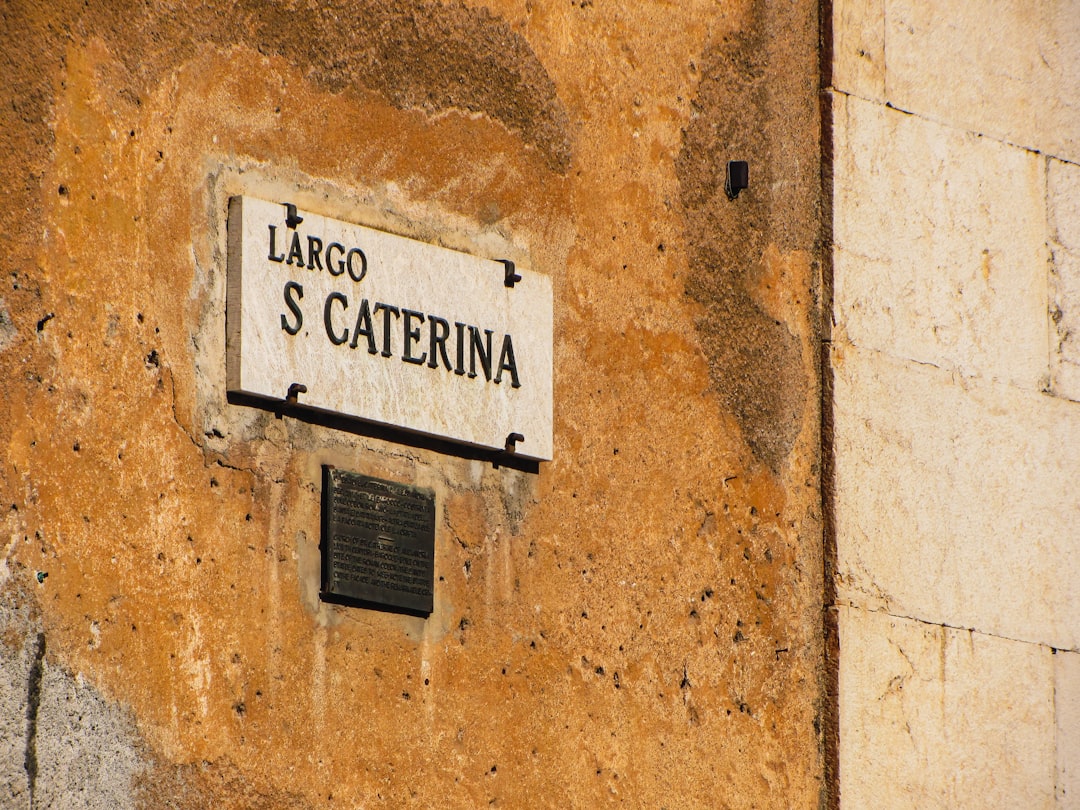
Running like a spine through the heart of town, Corso Umberto I is Taormina’s social and commercial heartbeat. This pedestrian-only street stretches roughly 400 metres from Porta Messina in the north to Porta Catania in the south, threading through the town’s finest architecture, most tempting shops, and liveliest piazzas.
Strolling the Corso is the quintessential Taormina experience. Take it slowly — duck into the side streets and stairways that peel off on either side, many of which reveal jaw-dropping terraced views over the sea. Look up as you walk: the building facades are a delightful mix of medieval stonework, baroque ornamentation, and colourful ceramic decorations.
Along the way you’ll pass through Piazza IX Aprile, the town’s main square and its most theatrical space. Flanked by the former church of Sant’Agostino (now the public library) and the church of San Giuseppe, the piazza opens onto a wide terrace with a panoramic balustrade — possibly the finest free view in all of Sicily. Pull up a chair at one of the cafés here, order a granita di caffè con panna, and simply soak it in.
Further along the Corso lies the Palazzo Corvaja, a beautiful Arab-Norman palace that now houses the tourist office and a small museum dedicated to Sicilian folk art and customs — well worth a look inside.
Isola Bella and the Beach Scene Below Taormina
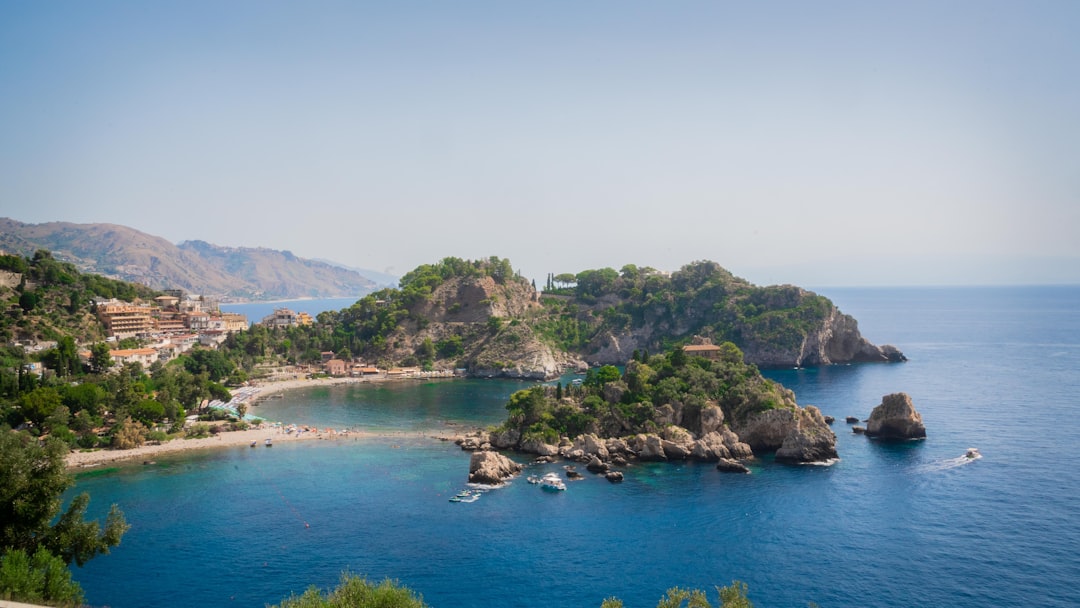
Taormina sits high on its cliff, but the sea is never far away. The town’s most beloved beach destination is Isola Bella, a tiny nature reserve island connected to the mainland by a narrow pebble sandbar, just a few metres wide. The scene here — turquoise water, the diminutive wooded island, and the cliff backdrop — is one of Sicily’s most photographed spots, and one that genuinely lives up to its reputation.
To reach Isola Bella from Taormina, take the cable car (funivia) down from the town centre — a five-minute ride that descends dramatically through cliff-side terraces and lemon groves to the coastal hamlet of Mazzarò. From there, it’s a short walk south to Isola Bella. The funivia runs regularly throughout the day and makes the beach far more accessible than the winding road.
The beaches around Mazzarò and Isola Bella are mostly pebbly rather than sandy, but the water quality is exceptional — clear, warm, and ideal for snorkelling. Several lidos (beach clubs) offer sunbeds, umbrellas, and restaurant service; if you’d prefer a free beach, head to the northern end of the bay where a small free section remains.
Further south, the larger town of Giardini-Naxos offers a long arc of sandy beach and a more low-key, local atmosphere — excellent for a half-day excursion if you want a change of pace from Taormina’s tourist buzz.
Mount Etna Day Trip: Taormina’s Most Epic Excursion
From almost every terrace and piazza in Taormina, Mount Etna dominates the horizon — a constant, brooding presence that draws the eye and the imagination in equal measure. The world’s most active volcano and Europe’s tallest (rising to over 3,300 metres), Etna is one of Sicily’s absolute highlights, and Taormina’s position makes it one of the very best bases for a day trip to the summit.
The most popular approach is via the Etna Sud (southern) route, accessible from the town of Nicolosi. Cable cars and 4×4 jeep tours carry visitors up to the authorised observation area at around 2,900 metres, where you can walk the lunar landscape of hardened lava flows, peer into steaming craters, and — on a clear day — see across the entire island. Certified guides are required for the final ascent above 2,900 metres.
Taormina’s tour operators offer excellent full-day excursions with hotel pick-up included, which take the logistical hassle out of the trip. Alternatively, rent a car and explore independently — the drive itself through the Etna wine villages of the eastern slope is a pleasure. Look out for the distinctive vino dell’Etna — made from ancient Nerello Mascalese vines grown in volcanic soil — which is gaining an international reputation for its elegance and minerality.
- Best time: Morning departures for clearest skies
- What to bring: Warm layers (it’s cold at altitude even in summer), sturdy footwear, and sunscreen
- Duration: Allow a full day for a satisfying Etna experience
Castelmola and the Hills Above Taormina
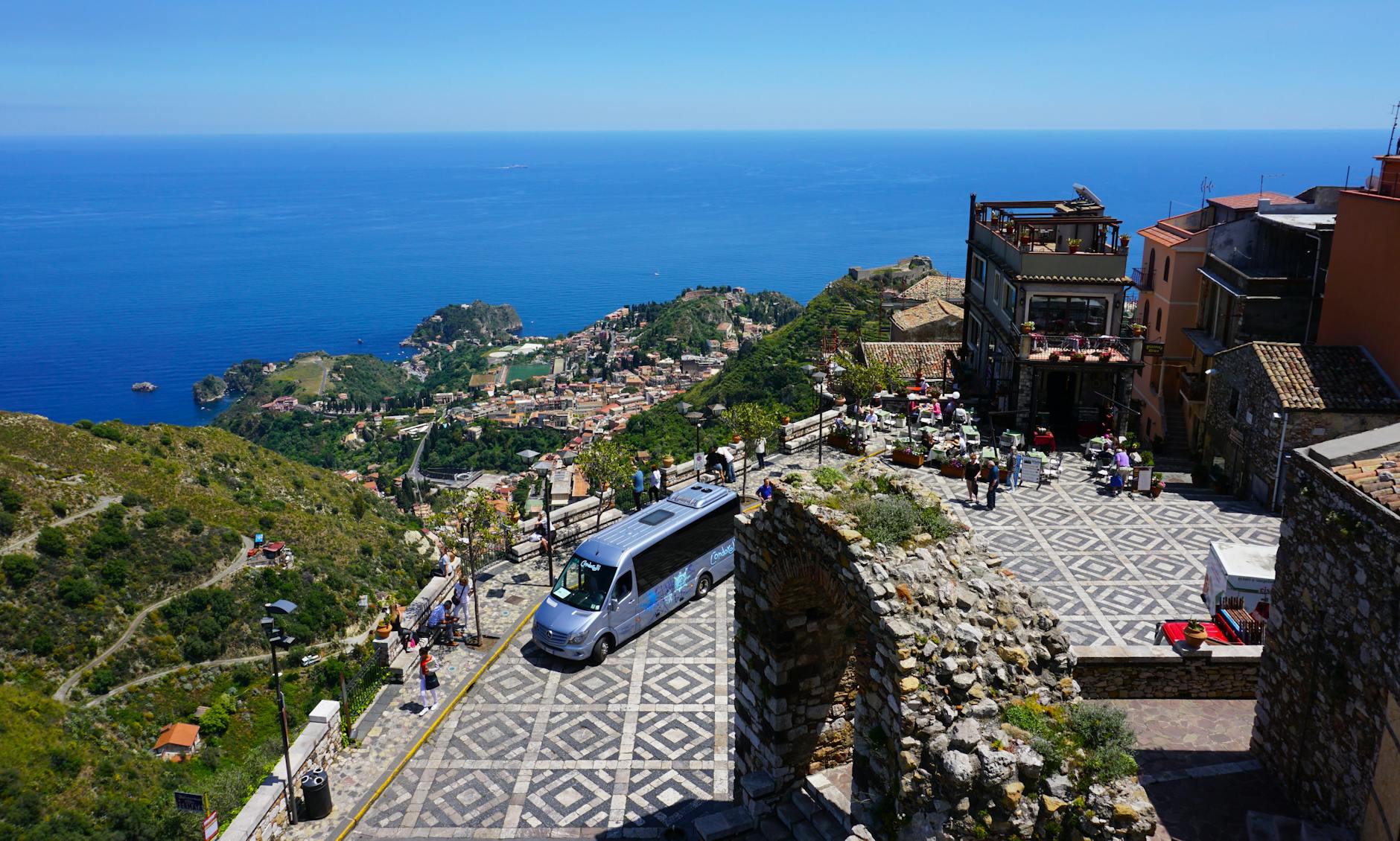
For those who want to go higher still, the tiny village of Castelmola sits 360 metres above Taormina on the very peak of Monte Tauro, crowned by the ruins of a medieval castle. It’s a steep 45-minute walk from Taormina (or a short taxi ride) and the reward at the top is a panorama that makes even Taormina’s famous views look modest by comparison.
The village itself is charming and blissfully quieter than Taormina below. A handful of bars, restaurants, and ceramic shops line its tiny streets, but the main draw is simply the view and the atmosphere of a place that feels genuinely frozen in time. Bar San Giorgio in the main piazza is famous throughout Sicily for its almond wine — a sweet, nutty local speciality made from Sicilian almonds — which makes the perfect accompaniment to the view.
The ruins of the Castello Saraceno at the very top can be explored freely and offer the highest vantage point of all. On an exceptionally clear day, you can see the Aeolian Islands floating on the horizon to the north — a sight that few visitors ever forget.
The walk between Taormina and Castelmola is well-signposted and passes through beautiful terraced gardens; take the path rather than the road for the most scenic route, and wear good shoes as sections can be uneven.
Eating and Drinking in Taormina: A Foodie’s Guide
Taormina is unquestionably one of Sicily’s most tourist-focused towns, and that means restaurant quality can vary wildly. The good news is that the island’s culinary traditions are so strong that even mediocre restaurants serve decent food — and the best restaurants here are genuinely outstanding.
Start your culinary exploration at breakfast with a proper Sicilian granita con brioche — a semi-frozen fruit or nut ice served alongside a fluffy, butter-rich brioche roll for dipping. Flavours to try include almond, mulberry, lemon, and the extraordinary pistachio from Bronte on the slopes of Etna. Caffè del Teatro near the ancient theatre and Bam Bar on Via di Giovanni are both local institutions worth queuing for.
For lunch and dinner, look out for classic Sicilian dishes: pasta alla Norma (with aubergine, tomato, and ricotta salata), fresh grilled swordfish or tuna, arancini (fried rice balls), and the extraordinarily good local pane cunzato — crusty bread loaded with tuna, tomatoes, and capers. For a special dinner, head slightly off the main drag; restaurants one street back from the Corso often offer better value and more authentic cooking.
Don’t leave without trying Sicilian street food: look for vendors selling stigghiola (grilled offal — more delicious than it sounds), freshly made cannoli, and seasonal specials depending on when you visit.
Hidden Gems: Taormina Beyond the Tourist Trail
For a town of its size and fame, Taormina rewards exploration beyond its obvious highlights with surprising generosity. Here are some of the lesser-visited spots that can transform a good trip into a great one.
Villa Comunale (Public Gardens): Created by an eccentric English noblewoman, Lady Florence Trevelyan, in the late 19th century, these terraced gardens overflow with exotic plants, Victorian follies, and bougainvillea in electric shades. Entry is free, and the gardens offer some of the best sea views in town from their lower terraces. In spring, the flowers are extraordinary.
Naumachie: Just off the Corso, a long brick wall of Roman origin known as the Naumachie stretches along Via Timeo. This massive structure — possibly a cistern or gymnasium — is one of the largest surviving Roman constructions in Sicily, yet most visitors walk past it without a second glance.
Cathedral of Taormina: The modest but beautiful Duomo on Piazza del Duomo dates from the 13th century and contains several remarkable artworks. The square in front of it hosts a lovely baroque fountain with Taormina’s symbol — a female centaur — at its centre.
Timeo Terrace: Even if you’re not staying at the legendary Grand Hotel Timeo, ask politely at the bar and you may be able to enjoy a drink on its legendary terrace — one of the most coveted views in Sicily, used as a backdrop in numerous films over the decades.
Practical Tips for Visiting Taormina
A few practical pointers will help you make the most of your time in Taormina and avoid the most common tourist pitfalls.
When to visit: The ideal months are April, May, June, and September to October. July and August are extremely crowded and hot; prices peak, and the Corso can feel overwhelming with day-trippers. Spring is arguably the finest time — warm enough to swim, uncrowded, and with the wildflowers and blossom at their best. November through March is quiet and somewhat melancholy, but has a genuine charm and accommodation prices drop substantially.
Getting there: Most visitors arrive via Catania Fontanarossa Airport, which is roughly 50km south. Direct buses (Interbus/Etna Trasporti) connect the airport with Taormina’s bus terminal in about 1.5 hours. Taormina’s train station (Taormina-Giardini) is actually at sea level, 3km from town — buses shuttle between the two.
Getting around: The historic centre is entirely pedestrianised and compact — everything is walkable. The cable car connects the town to the coastal area. For day trips, Taormina’s bus terminal offers services to Catania, Messina, Etna, and the surrounding area.
Where to stay: The choice ranges from world-famous luxury hotels like the Grand Hotel Timeo and San Domenico Palace (a former monastery) to excellent mid-range boutique hotels and B&Bs. Book well in advance for summer travel — good rooms go months ahead of peak season.
| Attraction | Time Needed | Cost | Best For |
|---|---|---|---|
| Teatro Antico (Greek Theatre) | 1–2 hours | ~€10 | History, photography, sunset views |
| Isola Bella & Beach | Half to full day | Free entry (lido extra) | Swimming, snorkelling, relaxing |
| Mount Etna Day Trip | Full day | €30–60 with tour | Adventure, volcanic landscapes |
| Castelmola Village | 2–3 hours | Free | Panoramic views, quiet atmosphere |
| Villa Comunale Gardens | 45–60 mins | Free | Families, nature lovers, picnics |
Frequently Asked Questions
How many days do you need in Taormina?
Two to three days is ideal for Taormina itself. This gives you time to visit the Greek theatre, explore the Corso, spend a day at the beach, and make a day trip to Mount Etna. A single day is possible but rushed — you’ll miss the town’s quieter, more magical atmosphere in the early mornings and evenings.
Is Taormina worth visiting in winter?
Yes, but with adjusted expectations. Winter Taormina is quiet, cool, and atmospheric. Many restaurants and shops close, but the views are still spectacular and you’ll have the Greek theatre almost to yourself. It’s an excellent choice for travellers who dislike crowds and want a more authentic feel of Sicilian hill-town life.
Can you visit Taormina without a car?
Absolutely. Taormina is one of the easiest Sicilian towns to visit without a car. The centre is pedestrian-only, frequent buses connect it to Catania airport and surrounding towns, and the cable car handles the beach descent. For an Etna day trip, organised tours with hotel pick-up are widely available.
Is Taormina beach sandy or pebbly?
The beaches at Isola Bella and Mazzarò (below Taormina) are primarily pebbly. For sandy beaches, head a short distance south to Giardini-Naxos, which has a long sandy arc along its bay and a more relaxed, local atmosphere.
Is Taormina expensive?
Taormina is one of Sicily’s priciest destinations, particularly for accommodation and restaurant meals in the tourist centre. However, you can eat well and affordably at street food stalls, bars, and restaurants just off the main Corso. Visiting in shoulder season (April-May or September-October) also significantly reduces accommodation costs.
What is the best way to get from Catania Airport to Taormina?
The easiest option is the direct Interbus/Etna Trasporti bus service, which runs several times daily and takes approximately 1.5 hours. Taxis and private transfers are faster but considerably more expensive. Renting a car at the airport is practical if you plan to explore widely, though parking in Taormina itself can be challenging.