
Why Syracuse Should Be at the Top of Your Sicily Itinerary
Few cities in the Mediterranean can claim a history as rich, layered, and breathtaking as Syracuse (Siracusa in Italian). Founded by Greek colonists from Corinth in 734 BC, this southeastern Sicilian gem was once considered one of the most powerful cities in the ancient world — rivaling Athens itself in population and cultural prestige.
Today, Syracuse is a UNESCO World Heritage Site, a living tapestry of Greek, Roman, Byzantine, Norman, and Baroque influences woven together over nearly three millennia. Whether you’re a history buff, an architecture lover, a foodie, or simply someone who craves the magic of the Italian south, Syracuse delivers on every front.
The city divides neatly into two compelling halves: the ancient archaeological zone on the mainland, and the enchanting island of Ortigia, the historic heart of the city, connected to the mainland by short bridges. Plan at least two to three full days here — you’ll want every hour.
Ortigia: The Island That Steals Every Heart
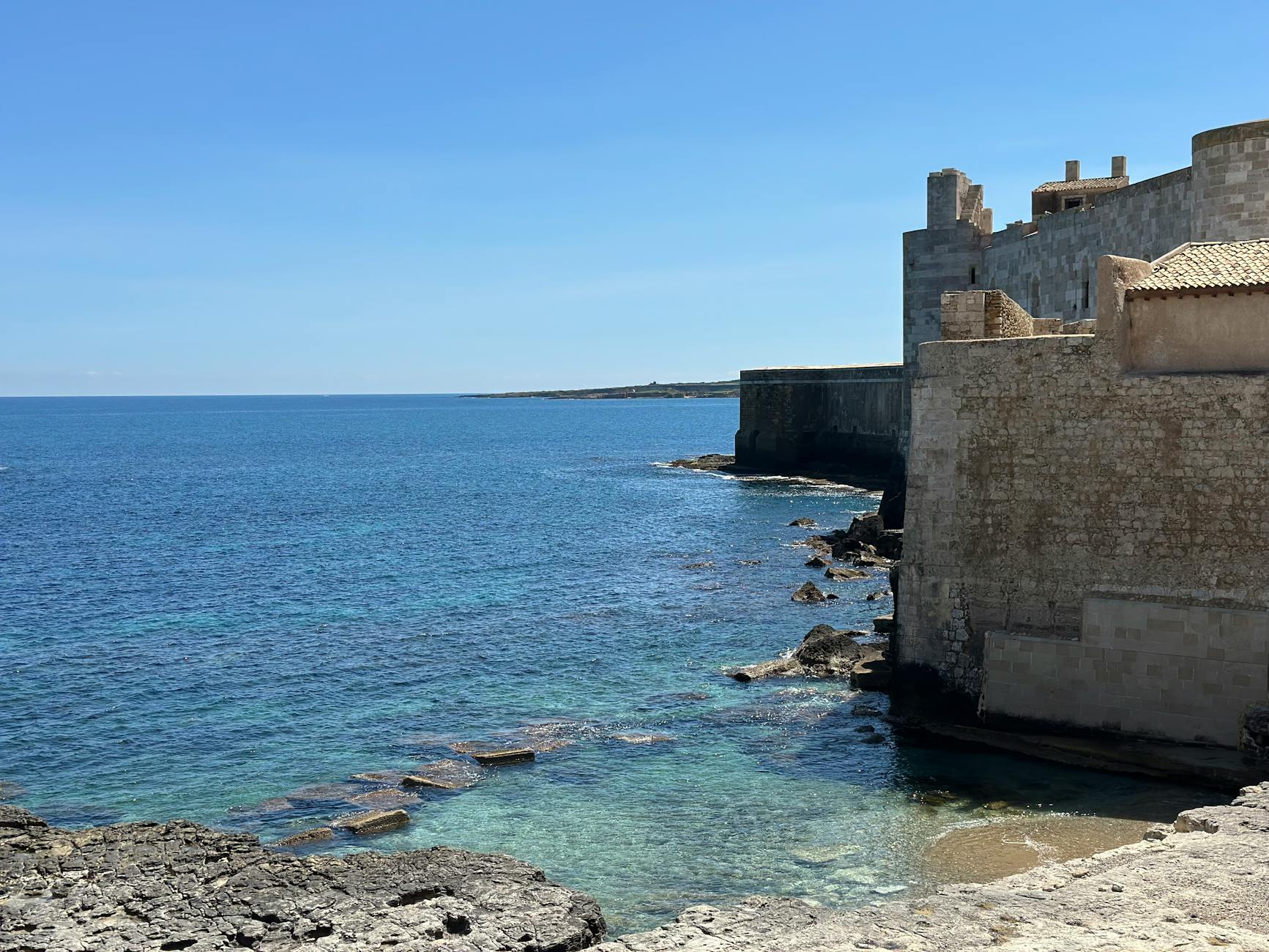
Ortigia is the soul of Syracuse — a small limestone island barely one kilometer wide, yet packed with more beauty per square meter than almost anywhere in Sicily. As you cross the bridge from the mainland, the atmosphere shifts instantly: the streets narrow, the stones glow golden in the afternoon light, and the sea glitters at every turn.
Begin your exploration at Piazza del Duomo, one of the most dramatic baroque squares in all of Italy. The cathedral here is a marvel of architectural recycling — it was literally built around the columns of an ancient Greek temple dedicated to Athena, incorporating the original 5th-century BC structure into its baroque facade.
Wander without a map through Ortigia’s labyrinthine alleyways, where you’ll stumble upon hidden courtyards, artisan workshops, vibrant markets, and centuries-old palaces draped in bougainvillea. Don’t miss Via della Maestranza, a parade of baroque noble residences, or the lively Mercato di Ortigia, where local fishermen and farmers sell their catch and harvest each morning.
Tip: Visit Ortigia in the evening for the passeggiata — locals stroll, gelato in hand, as the warm light bathes the baroque facades in gold.
The Neapolis Archaeological Park: Walking Through Ancient Greece
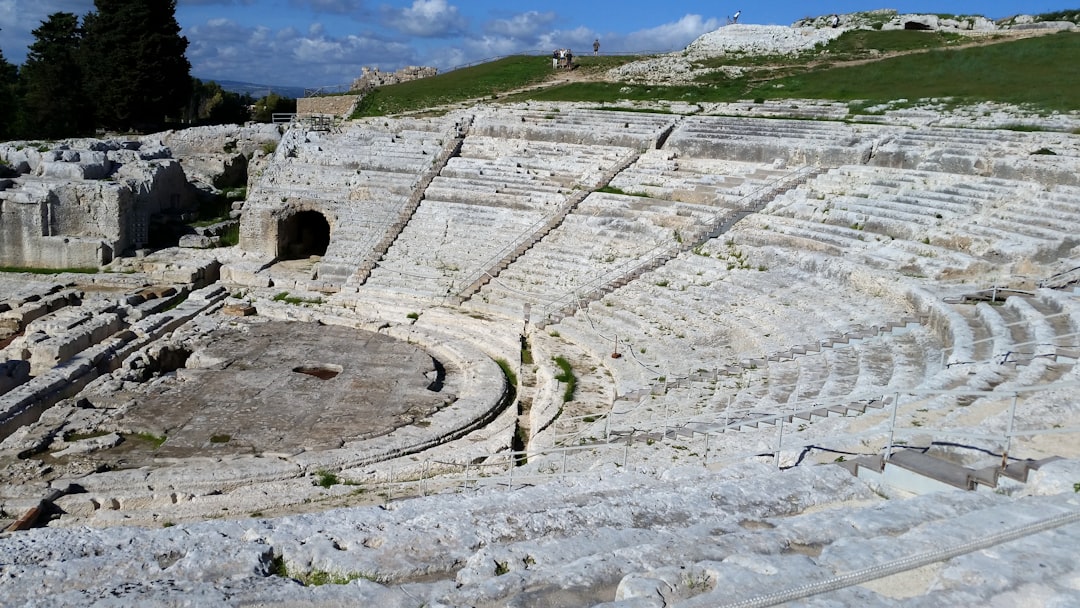
On the mainland, the Parco Archeologico della Neapolis is one of the most impressive ancient sites in the Mediterranean world — and surprisingly uncrowded compared to Rome or Athens. Set aside at least half a day to do it justice.
The crown jewel is the Greek Theatre (Teatro Greco), carved directly into the rock of the Temenites hill in the 5th century BC. With a seating capacity of nearly 15,000, it hosted the premieres of plays by Aeschylus himself. Every spring and summer, the theatre comes alive again with the INDA classical drama festival, a truly unforgettable experience under the open sky.
Just steps away lies the Roman Amphitheatre, one of the largest in Italy, where gladiatorial contests once thrilled Roman crowds. Nearby, the eerie Latomie del Paradiso — ancient limestone quarries — house one of Syracuse’s most famous landmarks: the Ear of Dionysius, a 23-meter-high cave with extraordinary acoustics. Legend holds that the tyrant Dionysius used it as a prison and could hear his captives whisper from above.
Tip: Buy a combined ticket for the archaeological park and the Paolo Orsi Museum to save money and time.
The Paolo Orsi Museum: Sicily’s Greatest Archaeological Collection
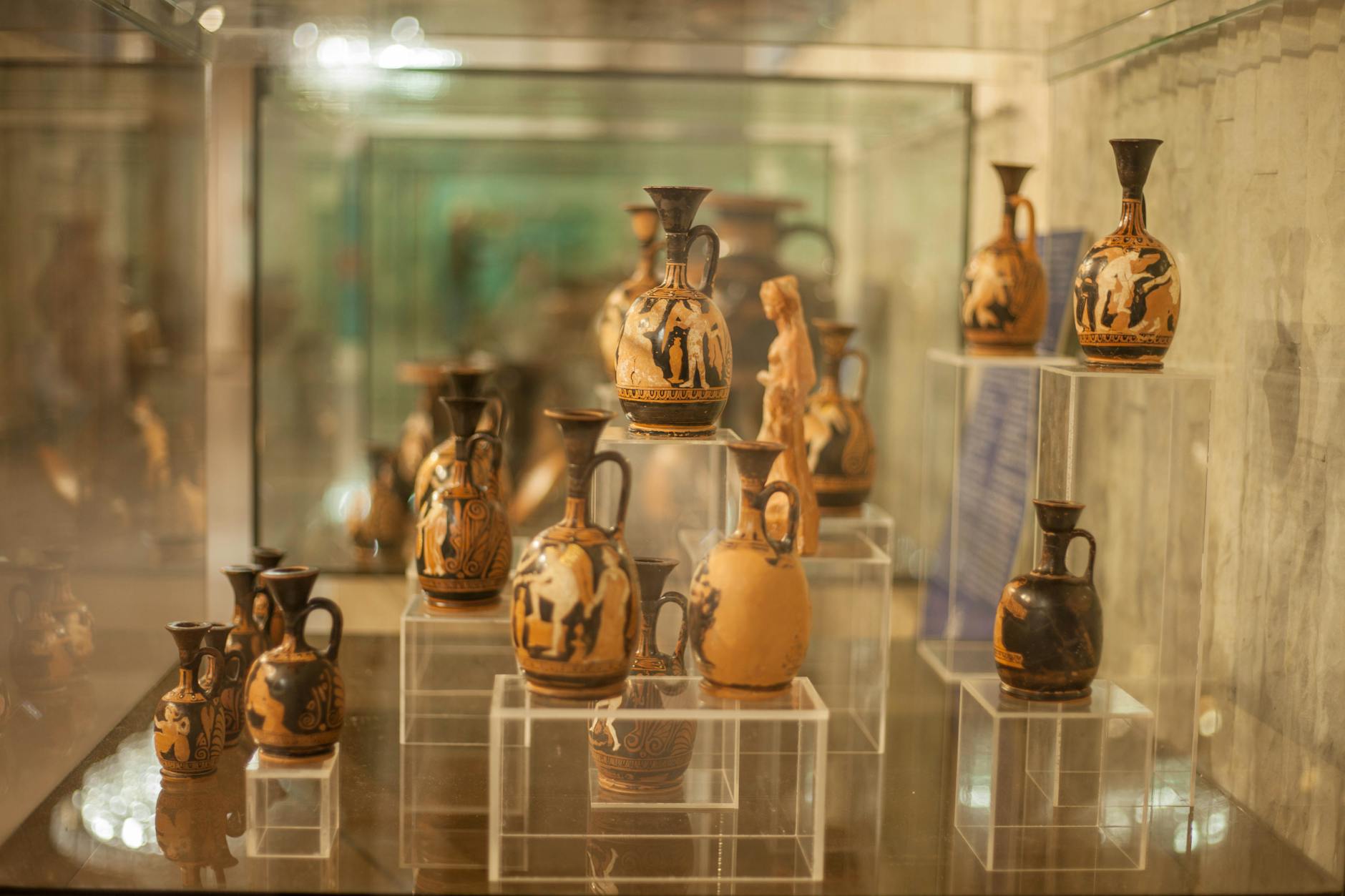
Located just outside the Neapolis archaeological park, the Museo Archeologico Regionale Paolo Orsi is arguably the finest archaeological museum in Sicily and one of the most important in all of Europe. If ancient history moves you, this is not to be missed.
The collection spans prehistoric settlements, the Greek colonial period, and later Roman and Byzantine eras, all presented in a beautifully designed modern building. Highlights include the hauntingly beautiful Venus Anadyomene — a headless marble statue of Aphrodite rising from the sea — and an extraordinary collection of Greek votive objects, coins, and terracotta figurines.
The museum also tells the story of the indigenous Sicilian peoples who preceded the Greeks, offering a fascinating perspective on the island’s deep roots. Informative displays are available in English, making it accessible and enriching for international visitors.
Tip: Allow at least two hours for the museum. The air-conditioned interior also makes it a perfect midday refuge during Sicily’s scorching summer heat.
The Fountain of Arethusa and Syracuse’s Mythological Soul
On the southern tip of Ortigia, where the island meets the open sea, lies one of antiquity’s most celebrated natural wonders: the Fountain of Arethusa (Fonte Aretusa). This freshwater spring bubbles up right beside the saltwater harbor, a phenomenon that fascinated the ancient Greeks and inspired one of mythology’s most poetic tales.
According to legend, the nymph Arethusa, fleeing the unwanted attentions of the river god Alpheus, was transformed by Artemis into an underground stream that flowed from Greece beneath the sea, emerging here in Syracuse. Alpheus, undeterred, mingled his waters with hers — explaining, to the Greek mind, how a freshwater spring could exist beside the sea.
Today, the fountain is a lush, tranquil pool filled with papyrus plants (Syracuse is one of only two places in Europe where papyrus grows naturally), ducks, and fish. It’s surrounded by a low wall that serves as a perfect perch for watching the boats in the harbor and the sun setting over the Ionian Sea.
The surrounding area, known as the Fonte Aretusa promenade, is lined with cafes and restaurants and is one of the most romantic spots in the city.
Syracuse Cathedral and the Baroque Piazza del Duomo
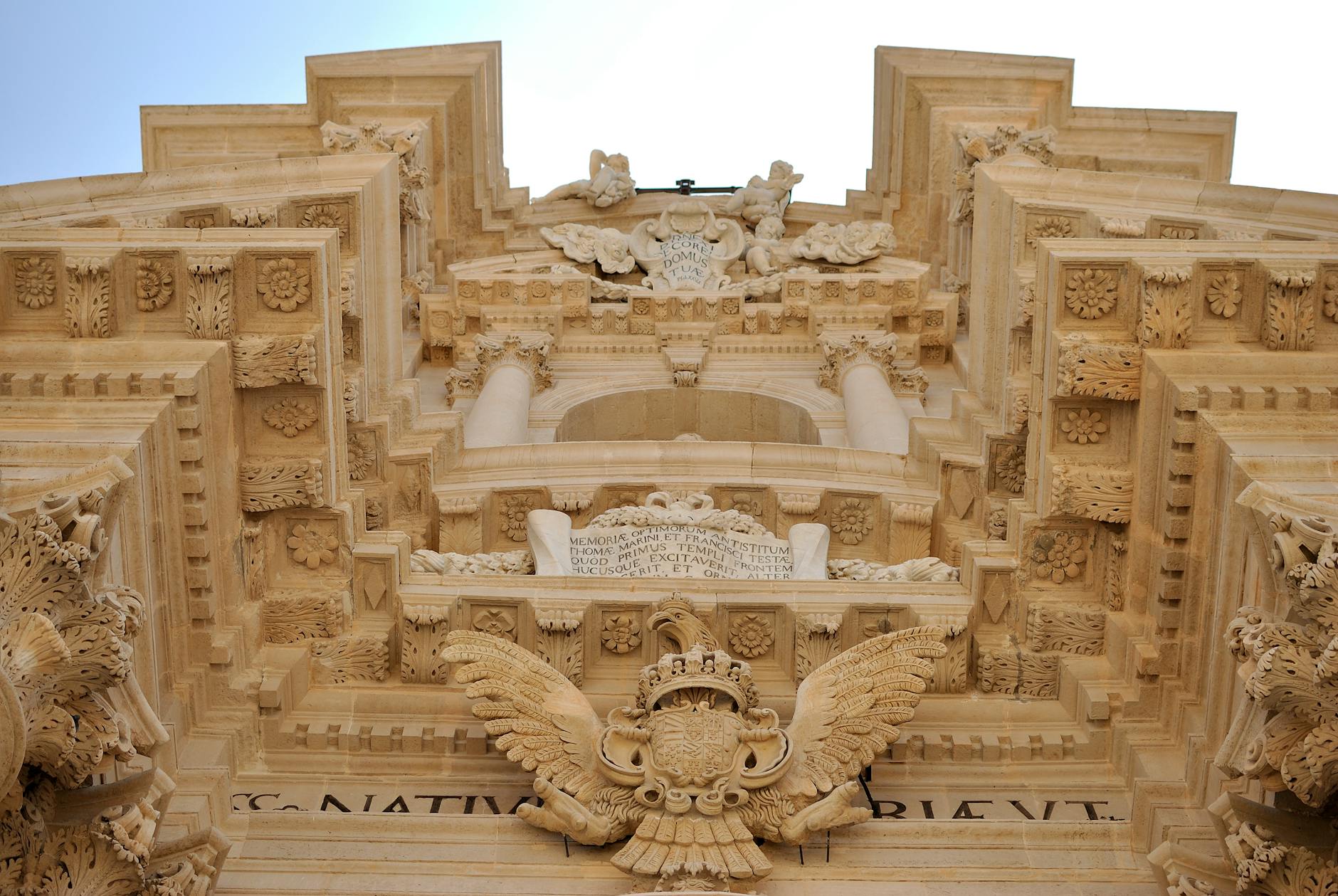
The Cattedrale di Siracusa is one of the most extraordinary churches in Sicily — not just for its Baroque grandeur, but for what lies beneath and within it. Built in the 7th century AD over the ruins of a Doric temple dedicated to Athena, the cathedral incorporates the original Greek columns into its walls. Step inside and you can clearly see the ancient columns embedded in the nave, creating a breathtaking collision of civilizations spanning 2,500 years.
The current Baroque facade, rebuilt after the devastating earthquake of 1693, is a masterpiece of swirling stone, dramatic statuary, and theatrical presence. It dominates Piazza del Duomo, which is widely regarded as one of the most beautiful squares in Italy — an elongated, slightly curved space enclosed by a harmonious ensemble of Baroque buildings.
Also flanking the piazza is the elegant Palazzo del Senato and the church of Santa Lucia alla Badia, which houses Caravaggio’s monumental painting The Burial of Saint Lucy, painted during the artist’s turbulent stay in Syracuse in 1608. The painting is raw, dark, and deeply moving.
Food and Markets: Eating Your Way Through Syracuse
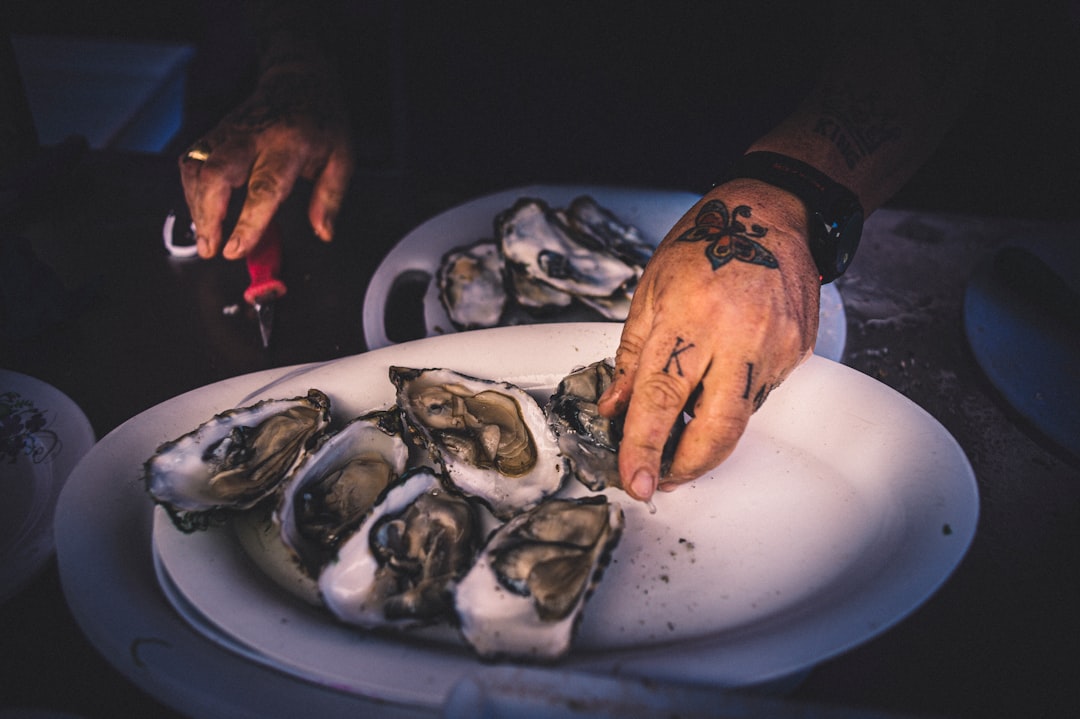
Syracuse is a paradise for food lovers, and eating well here requires little effort — the ingredients are simply extraordinary. The city sits at the heart of one of Sicily’s most productive fishing zones, and the morning fish market in Ortigia is a spectacle in itself: swordfish heads propped up like trophies, glistening piles of anchovies and sea urchins, and fishermen negotiating in rapid Sicilian dialect.
Don’t leave without trying these local specialties:
- Pasta con le sarde — pasta with fresh sardines, wild fennel, pine nuts, and raisins, a sweet-savory masterpiece
- Ricci di mare (sea urchin) — eaten raw with a squeeze of lemon or tossed with spaghetti
- Arancini — golden rice balls stuffed with ragù or cheese, perfect street food
- Granita con brioche — the Sicilian breakfast of champions: almond or pistachio granita with a warm, pillowy brioche
- Busiate al pesto trapanese — pasta with a rich tomato and almond pesto
The streets around the Ortigia market and along Via Roma are lined with excellent trattorias. For a memorable splurge, book a table at one of the waterfront restaurants overlooking the Porto Grande.
Day Trips from Syracuse: The Best of Southeast Sicily
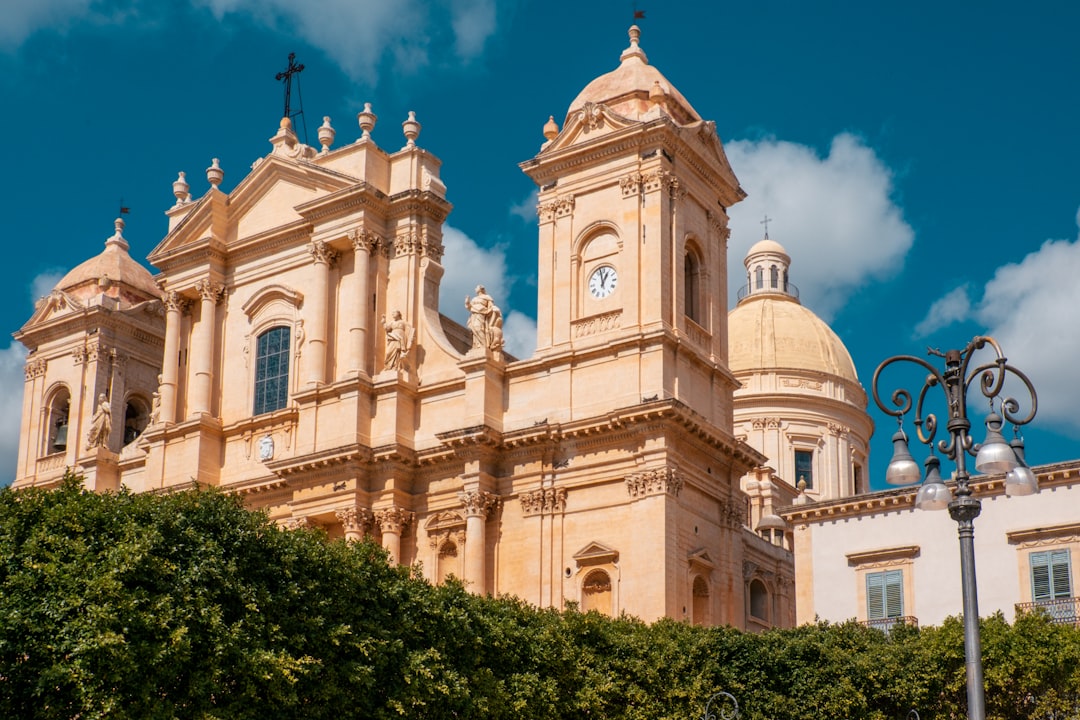
Syracuse’s location in the southeastern corner of Sicily makes it an ideal base for exploring the stunning Val di Noto Baroque triangle, a UNESCO-listed collection of towns rebuilt in lavish Baroque style after the 1693 earthquake.
Noto, just 30 kilometers away, is the undisputed queen of Sicilian Baroque — a single-street procession of golden limestone palaces, churches, and balconies dripping with carved faces and stone gargoyles. The main corso is best experienced in the late afternoon when the honey-colored stone seems almost to glow from within. Noto is also famous for its granitas and pastries — stop at the legendary Caffè Sicilia.
Ragusa Ibla (about 70 km away) is another architectural gem — a hilltop Baroque town with a dramatic, almost cinematic atmosphere, familiar to fans of the TV series Inspector Montalbano.
Closer to Syracuse, the Riserva Naturale di Vendicari is a stunning coastal nature reserve with pristine beaches, salt lagoons, and flamingos — an ideal half-day of swimming and birdwatching.
Tip: Rent a car to explore the region at your own pace. Public transport exists but is infrequent and can be frustrating in rural areas.
Practical Tips for Visiting Syracuse
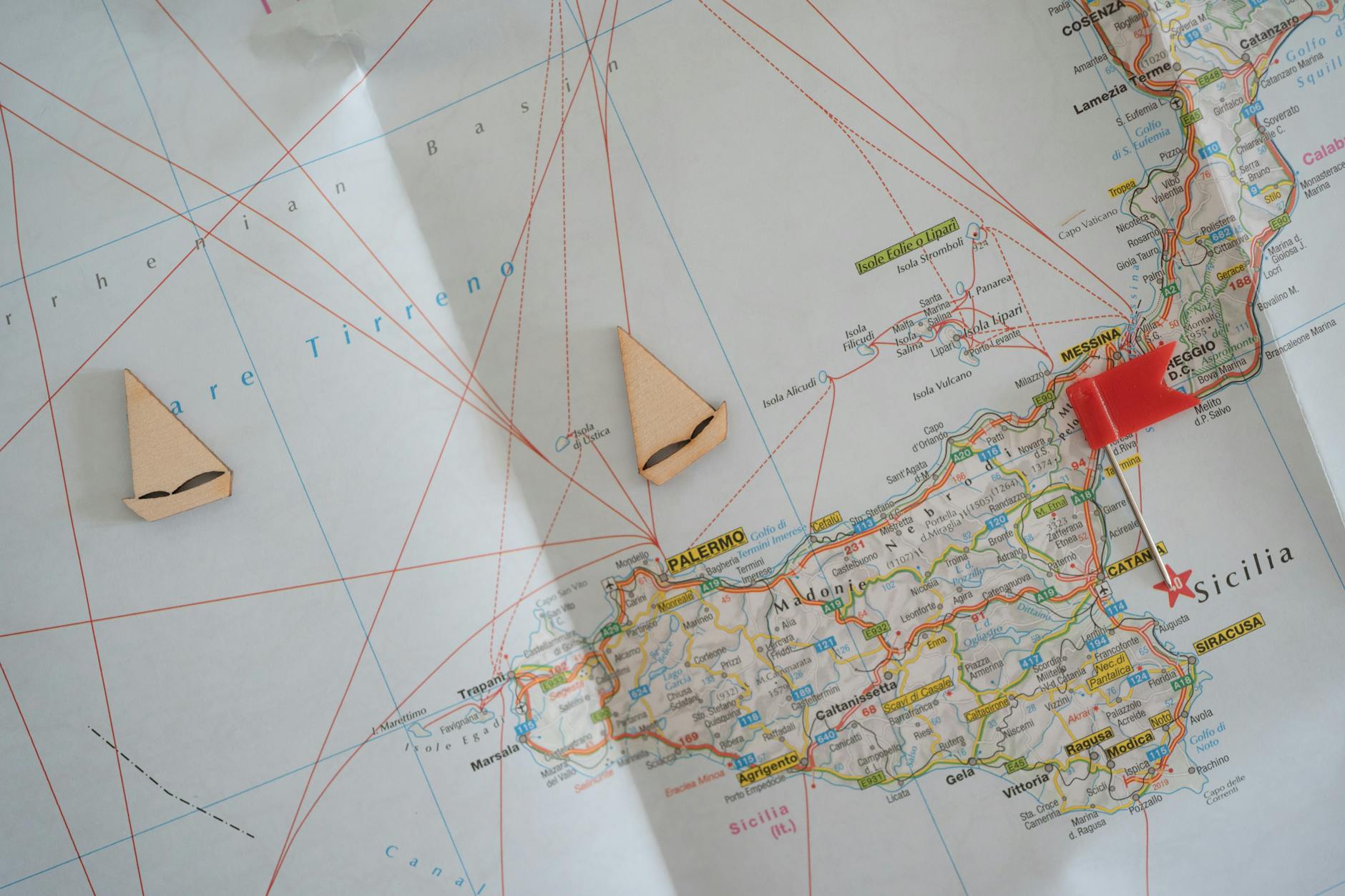
Planning your trip to Syracuse well will make the experience even smoother and more rewarding. Here are some essential practical tips:
- Best time to visit: April to June and September to October offer the best combination of warm weather, manageable crowds, and vibrant cultural events. July and August are hot and busy but bring the INDA theatre festival.
- Getting there: The nearest airports are Catania (70 km) and Palermo (250 km). Catania is the easier option. Trains run regularly between Catania and Syracuse (about 1.5 hours). Rome and Milan also have direct train connections.
- Getting around: Ortigia is best explored on foot. The mainland archaeological sites are easily reached by bus or taxi from Ortigia. Rent a car for day trips.
- Where to stay: Staying on Ortigia is highly recommended for the atmosphere and convenience. Book well in advance in summer, as accommodation is limited on the island.
- Language: English is spoken in most hotels and tourist-facing businesses, but learning a few words of Italian will earn you warm smiles everywhere.
- Currency: Italy uses the Euro. Most restaurants and shops accept cards, but carry cash for markets and smaller establishments.
Syracuse rewards slow, curious travelers. Don’t rush — let the city reveal itself to you at its own ancient pace.