
Planning a trip to Sicily can be overwhelming when you want a genuine experience rather than another crowded tourist spot. It’s easy to miss out on authentic moments if you only follow the usual travel recommendations. This guide reveals cities and experiences that bring you closer to authentic Sicilian culture, from quiet Baroque streets in Ragusa to chocolate-making traditions in Modica and hidden cafes in Noto. Each stop offers unique ways to connect with local life and history that you won’t find in generic sightseeing lists. Get ready to discover practical tips and insider insights that will help you explore Sicily in a way most visitors never do.
Table of Contents
- Explore Ragusa’s Baroque History And Quiet Streets
- Experience Local Traditions In Modica’s Chocolate District
- Savor Culinary Delights In Noto’s Charming Cafes
- Uncover Medieval Ambiance In Erice’s Hilltop View
- Enjoy Coastal Beauty And Festivals In Cefalù
- Connect With Local Life In Scicli’s Lively Squares
Quick Summary
| Takeaway | Explanation |
|---|---|
| 1. Explore Ragusa Ibla for Authentic Baroque Experience | This ancient lower town offers stunning architecture and quiet streets perfect for immersing in local culture away from crowds. |
| 2. Taste Modica Chocolate’s Unique Tradition | The cold-processing method creates a distinctively grainy texture, preserving a centuries-old craft that defines local identity. |
| 3. Enjoy Noto’s Cafes for Seasonal Flavors | Discover authentic Sicilian dishes in charming cafes that emphasize fresh, seasonal ingredients and local culinary traditions. |
| 4. Experience Erice’s Medieval Layout for Authenticity | The narrow, winding streets and elevated location maintain an authentic atmosphere, allowing you to connect with the town’s history. |
| 5. Join Community Events in Scicli’s Squares | Participate in local gatherings and festivals in vibrant squares that showcase authentic Sicilian cultural traditions and daily life. |
1. Explore Ragusa’s Baroque History and Quiet Streets
Ragusa stands as a masterpiece of Baroque architecture in southeastern Sicily, split into two distinct areas that reveal different chapters of the city’s story. If you’re seeking an authentic cultural experience away from crowded tourist zones, this city delivers exactly what you’re looking for.
The city’s remarkable transformation began in 1693, when a devastating earthquake reshaped the region. Instead of simply rebuilding, the people of Ragusa reconstructed their city with intentional grandeur, embracing the Baroque style that defined the era. This deliberate architectural choice created one of Europe’s most cohesive Baroque townscapes.
Ragusa Ibla versus Ragusa Superiore
You’ll want to understand the two parts of Ragusa before exploring:
- Ragusa Ibla is the ancient lower town, a quieter and more atmospheric destination with narrow, winding streets that feel frozen in time
- Ragusa Superiore is the newer, more modern town built on the upper plateau, offering contemporary services and infrastructure
- Most visitors concentrate their time in Ragusa Ibla, where the real magic happens
Ragusa Ibla features some of Sicily’s most stunning Baroque buildings, including the magnificent cathedral and Basilica of San Giorgio, both constructed in the 18th century. Walking these quiet streets, you’ll encounter beautiful palaces, churches, and gardens that offer panoramic views across the surrounding valleys.
What Makes Ragusa’s Streets Special
The narrow, peaceful streets create an environment where you can actually breathe and absorb the culture. Unlike more famous Sicilian destinations, you won’t be shoulder-to-shoulder with tour groups. The quiet allows you to notice details: ornate stone carvings on palace facades, hidden courtyards tucked behind heavy wooden doors, and locals living their daily lives.
UNESCO Recognition
Ragusa is part of a collective UNESCO World Heritage site celebrating the Baroque towns of the Val di Noto. This recognition reflects the architectural and historical significance you’re witnessing as you walk. The preservation standards mean you’re experiencing genuine 18th-century streetscapes, not reconstructions or tourist attractions pretending to be authentic.
The combination of quieter streets and world-class Baroque architecture makes Ragusa the perfect destination for travelers seeking genuine cultural immersion without overwhelming crowds.
Pro tip: Visit Ragusa Ibla in the early morning or late afternoon to experience the streets at their quietest, when locals are going about their day and the light casts dramatic shadows on the Baroque facades.
2. Experience Local Traditions in Modica’s Chocolate District
Modica’s chocolate is not just a dessert—it’s a window into centuries of cultural tradition and local pride. When you visit this southeastern Sicilian town, you’re stepping into a place where chocolate production defines the community’s identity and connects you directly to centuries-old craftsmanship.
The story of Modica chocolate begins with Spanish domination in the 16th century. Chocolate arrived from the New World through Spanish traders, and the people of Modica developed their own distinctive approach using an ancient recipe that remains unchanged today. This isn’t mass-produced chocolate; it’s a living tradition that local artisans guard carefully.
What Makes Modica Chocolate Unique
Unlike most chocolates you’ve tasted, Modica chocolate uses cold-processing methods that create a distinctively grainy texture. The traditional process involves manual grinding without conching, which is the standard technique everywhere else. This single choice preserves the chocolate’s history and makes each piece identifiable by its unmistakable crumbly consistency and intense flavor.
You’ll notice the difference immediately when you taste it. The graininess isn’t a flaw—it’s proof of authenticity. This textural quality comes from generations of hands perfecting the same method, passing knowledge directly from one artisan to the next.
Experiencing the Chocolate District Firsthand
When you walk through Modica’s streets, you’ll encounter multiple chocolate shops and artisanal producers. Rather than chain stores, you’ll find family-run businesses where owners are happy to explain their process and share tastings. The chocolate district pulses with genuine community involvement in preserving this heritage craft.
Your visit can include:
- Watching artisans demonstrate traditional chocolate-making techniques in real time
- Tasting multiple varieties and learning flavor differences between producers
- Understanding how chocolate shaped Modica’s cultural and economic identity
- Purchasing directly from makers, knowing your money supports local heritage preservation
The Festival Connection
The annual Chocobarocco festival celebrates this tradition with events throughout town. Even if you can’t time your visit for the festival, the chocolate culture remains vibrant year-round, with tastings and demonstrations happening regularly.
Modica chocolate represents more than flavor—it’s a tangible connection to five centuries of local history and cultural identity preserved through dedicated artisans.
Pro tip: Visit chocolate shops in the morning when artisans are most likely working and can share their process with you, then spend time tasting at a café to fully appreciate the chocolate’s grainy texture and complex flavors.
3. Savor Culinary Delights in Noto’s Charming Cafes
Noto’s elegant Baroque streets provide the perfect backdrop for discovering authentic Sicilian flavors in some of the most charming cafes you’ll encounter in Sicily. This UNESCO World Heritage town transforms every meal into a cultural experience where architecture, atmosphere, and cuisine merge seamlessly.
The culinary scene in Noto reflects the region’s commitment to fresh, seasonal ingredients and time-honored recipes. You’ll find traditional Sicilian dishes prepared with produce that changes with the seasons, connecting your meal directly to the rhythms of local agriculture and community life.
Seasonal Flavors Matter Here
Understanding seasonal offerings enhances your cafe experience significantly. Spring brings artichokes and broad beans to menus, while summer showcases vibrant eggplants and tomatoes. This seasonal rotation means your visit’s timing influences what you’ll taste, and locals take genuine pride in preparing ingredients at their peak.
Your culinary journey includes:
- Morning granita and pastries at traditional bars for an authentic start to your day
- Lunch at trattorias serving family recipes passed down through generations
- Afternoon coffee in garden courtyards away from main streets
- Evening aperitivos with Sicilian sweets in historic alleyway cafes
Finding Hidden Gems Beyond the Main Streets
Noto’s most memorable cafe experiences often happen away from busy tourist zones. Peaceful venues tucked into garden courtyards and historic alleys offer homemade pastries and excellent coffee in serene settings. These quieter cafes embody authentic local culture more fully than prominent establishments.
Visitors who venture beyond the obvious spots discover intimate spaces where locals gather daily. You’ll sit where grandmothers chat over espresso, where teenagers meet friends, where life happens naturally. This immersion into everyday Sicilian rhythm teaches you far more than any guidebook can.
The Cafe Culture Philosophy
Sicilian cafes aren’t simply places to consume food quickly. They’re social anchors where people linger, converse, and savor moments. Adopting this slower pace transforms your experience from sightseeing into genuine cultural participation.
Noto’s cafes offer more than refreshments—they provide windows into local life, where architecture frames daily rituals and seasonal flavors tell stories of community heritage.
Pro tip: Skip the first cafe you see on main streets and walk deeper into Noto’s quieter neighborhoods where locals eat, then order whatever the owner recommends rather than consulting menus—this guarantees authentic seasonal specialties and genuine conversations.
4. Uncover Medieval Ambiance in Erice’s Hilltop View
Perched high above northwestern Sicily, Erice is a medieval hilltop town that transports you back centuries with its winding stone streets, ancient fortifications, and uninterrupted views across the surrounding landscape. This is where authentic medieval culture still thrives in everyday life, not just in museums or tourist performances.
Erice sits at 2,464 feet elevation, commanding one of Sicily’s most dramatic vantage points. The town’s location wasn’t chosen for convenience—it was a strategic fortress position that shaped centuries of history. That historical purpose remains visible in every corner you explore today.
The Medieval Layout Creates Its Own Experience
The narrow, winding streets form a labyrinthine pattern that’s authentic to medieval urban design. Streets twist and climb in ways that seem chaotic until you realize they were deliberately designed for defense and water management. Walking these passages means physically experiencing how medieval residents moved through their world.
What you’ll discover while exploring:
- Ancient stone buildings with weathered facades telling stories of centuries
- Narrow alleyways that open unexpectedly to panoramic viewpoints
- Norman castle ruins commanding the highest point with breathtaking perspectives
- Quiet plazas where locals still gather, unchanged by tourism
- Iron-barred windows and carved doorways revealing architectural details
Why the Elevation Matters for Authenticity
The challenging climb to Erice’s heart means fewer casual day-trippers venture into the medieval core. This natural filtering preserves the town’s authentic atmosphere far better than more accessible destinations. You’ll encounter genuine local culture rather than performance tourism.
The elevation also means dramatic weather shifts and atmospheric conditions. Visiting when morning mist clings to stone walls or when afternoon light angles across terraces creates almost supernatural beauty. These natural conditions shaped medieval residents’ daily experience and still influence life here today.
Practical Navigation in Medieval Spaces
Modern wayfinding markers appear minimal intentionally—the town honors its historical character. Bring comfortable walking shoes with good grip, as stone streets become slippery when wet. Plan to get slightly lost; that’s part of experiencing medieval spatial organization.
Erice’s elevated medieval layout and relatively quiet streets create an atmosphere where you genuinely experience medieval town life rather than observing it from a distance.
Pro tip: Arrive early morning or visit during shoulder seasons to experience Erice when fog rolls through the medieval streets and locals outnumber visitors, creating an almost magical authenticity that peaks when atmospheric conditions match the town’s historical ambiance.
5. Enjoy Coastal Beauty and Festivals in Cefalù
Cefalù offers a rare combination that sets it apart from other Sicilian destinations: stunning Mediterranean beaches paired with a vibrant cultural calendar that celebrates authentic local traditions throughout the year. This picturesque northern coastal town delivers both relaxation and immersive cultural experiences in one captivating location.
The town’s setting along Sicily’s northern coast creates an undeniably beautiful backdrop. A dramatic cliff known as La Rocca rises dramatically behind the beach, framing the shoreline with striking natural architecture. Medieval buildings cluster along the waterfront, their reflections dancing in the harbor water during golden hour.
Understanding Cefalù’s Festival Calendar
Cefalù isn’t just beautiful in appearance—it’s alive with cultural celebrations that reveal genuine Sicilian traditions. The Feast of Saint Joseph in March stands out as a major community event featuring elaborate altars, traditional foods, music, and communal festivities. This religious celebration brings families and locals together in ways that connect directly to centuries of tradition.
Key festivals throughout the year include:
- Feast of Saint Joseph (March) with elaborate altar displays and traditional foods
- Cefalù Carnival (pre-Lenten season) featuring colorful parades and intricate masks
- Summer Music Festival celebrating Mediterranean melodies and local musicians
- Various religious processions and seasonal celebrations unique to the community
Why Timing Your Visit Matters
Visiting during a festival completely transforms your experience. You’ll witness locals in traditional dress, taste foods prepared specifically for the celebration, and participate in communal rituals unchanged for generations. Festival timing turns you from observer into temporary community member.
Even outside festival periods, Cefalù maintains its lively cultural atmosphere. The Norman cathedral with its famous mosaics anchors the town spiritually and architecturally. Narrow streets buzz with local life, restaurants serve regional specialties, and beaches provide moments of peaceful coastal beauty between cultural explorations.
The Beach as Cultural Hub
Cefalù’s beach isn’t simply for swimming. It’s where locals gather in evening hours, where families celebrate together, where the rhythm of daily Sicilian coastal life unfolds. Swimming in the same waters locals have used for centuries creates subtle but meaningful cultural connection.
Cefalù merges stunning coastal landscapes with living cultural traditions, creating a destination where natural beauty and authentic celebrations enhance each other throughout the year.
Pro tip: Check festival schedules before booking your trip and plan arrival during the Feast of Saint Joseph or Carnival season when the town’s energy peaks and you can experience celebrations deeply rooted in Sicilian cultural identity and community tradition.
6. Connect with Local Life in Scicli’s Lively Squares
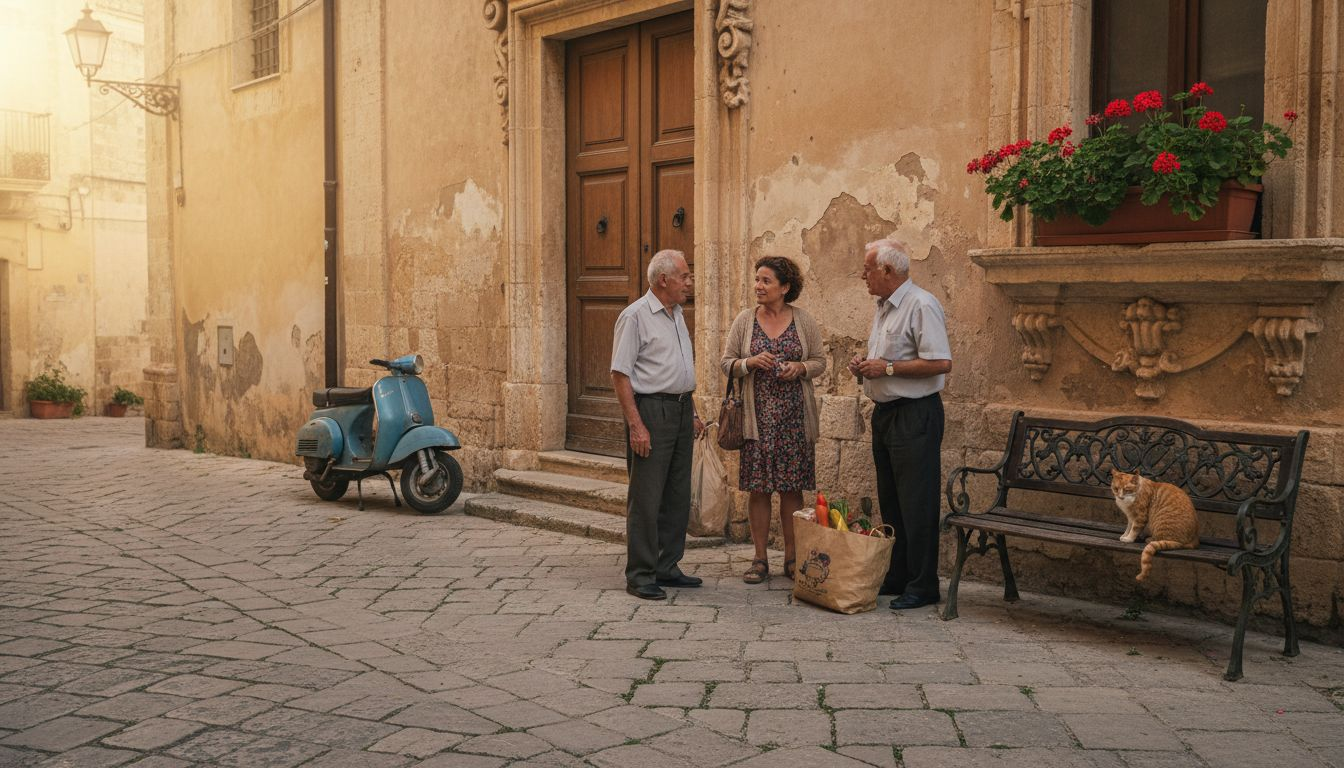
Scicli’s true character reveals itself not in its buildings alone, but in the lively squares where daily Sicilian life unfolds naturally before your eyes. These public spaces form the social heart of the town, where authentic cultural traditions remain vibrant and genuinely integrated into everyday community rhythms.
The squares of Scicli serve purposes far beyond aesthetics. They function as gathering places where locals conduct business, celebrate traditions, and maintain social bonds that have persisted for generations. When you sit in these spaces, you’re witnessing culture in its living, breathing form rather than as a curated tourist experience.
Understanding Piazza Italia’s Central Role
Piazza Italia stands as Scicli’s most important public square, framed by magnificent palaces including Palazzo Beneventano. The square’s Baroque architecture creates a stage for community life, with grand facades providing backdrop for everything from festive celebrations to routine afternoon gatherings. This architectural grandeur reminds visitors that public spaces once mattered as deeply as private homes in Sicilian culture.
What happens in Scicli’s squares throughout the year:
- Religious festivals and processions like Cavalcata di San Giuseppe connecting faith with community
- Markets selling local produce, goods, and regional specialties
- Evening social gatherings where families and friends meet after work
- Cultural events and celebrations rooted in centuries of local tradition
- Daily activities where locals conduct their regular social and commercial lives
Why Squares Matter for Cultural Immersion
Unlike museums or historical sites, squares are living spaces where you can actually participate in local culture. Sitting at a cafe, observing interactions, joining evening passeggiata walks, you absorb genuine Sicilian rhythms. The square teaches you cultural values through observation and participation rather than explanations.
Scicli is part of the Val di Noto UNESCO World Heritage site, which recognizes the town’s architectural and cultural significance. This designation reflects how seriously communities take preservation of their historic character and shared spaces.
Practical Ways to Engage
You don’t need a specific itinerary to connect with square life. Simply sit, observe, and participate naturally. Order coffee or aperitivo at a cafe overlooking the square. Watch how locals move through the space, what time gatherings peak, how seasons change the rhythms. Attend festivals or markets when schedules allow. Your presence as thoughtful observer becomes a form of respectful cultural participation.
Scicli’s squares represent authentic Sicilian culture in action, where architecture, tradition, and daily life merge in spaces that remain genuinely connected to the community’s identity.
Pro tip: Visit squares during early evening hours when locals gather for passeggiata social walks, order something at a cafe to linger naturally, and observe how families, friends, and neighbors interact in their shared public space—this timing reveals genuine daily culture.
Below is a comprehensive table summarizing the main destinations, attractions, and unique cultural aspects of various locations in southeastern Sicily as discussed in the article.
| Destination | Key Attractions | Unique Aspects |
|---|---|---|
| Ragusa | Baroque architecture, Cathedral of San Giorgio | Features two distinct areas: atmospheric Ragusa Ibla and modern Ragusa Superiore for contrasting experiences |
| Modica | Chocolate district | Renowned for traditional cold-processed chocolate with historical roots dating back to Spanish influence |
| Noto | Charming cafes and local cuisine | Prominent for Baroque elegance and seasonal culinary experiences revealed in hidden local cafes |
| Erice | Medieval streets, Norman castle | Offers an immersion in medieval ambiance with atmospheric views and preservation of historic structures |
| Cefalù | Coastal beauty, Norman cathedral | Combines Mediterranean beaches with vibrant local festivals affirming Sicilian traditions |
| Scicli | Lively public squares | Showcases integrated culture through community-centric spaces like Piazza Italia for events and gatherings |
Discover Authentic Sicilian Culture Like Never Before
Are you searching for a way to truly immerse yourself in Sicily’s rich traditions without getting lost in crowds or tourist traps? The challenge of finding towns like Ragusa, Modica, or Noto where history, culture, and local life blend seamlessly can be overwhelming. This guide highlights hidden gems known for their Baroque architecture, medieval charm, and vibrant festivals but knowing where to start and what to explore can make all the difference.

Unlock the secrets of Sicily’s most authentic towns with expert tips and insider advice on our website. At Sicilian Traveler, you’ll find detailed stories about each town’s unique character—from Modica’s famous chocolate heritage to Cefalù’s lively festival calendar. Don’t miss the chance to step beyond typical tourist routes and experience local traditions, cuisine, and daily rituals firsthand. Start planning your culturally immersive Sicilian adventure now by exploring our best places to visit in Sicily and transform your trip into a memory that lasts forever.
Frequently Asked Questions
What cultural experiences can I find in Ragusa?
Ragusa offers an authentic cultural experience through its stunning Baroque architecture and quiet streets. To truly immerse yourself, spend time exploring Ragusa Ibla, where you can appreciate the history and ambiance without the crowds.
How can I participate in the chocolate-making tradition in Modica?
To engage with Modica’s chocolate tradition, visit local chocolate shops where artisans still use centuries-old techniques. Watch demonstrations, taste different varieties, and interact with the makers to understand this unique cultural heritage.
What are some must-try foods in Noto’s cafes?
In Noto, you should try seasonal dishes that reflect local ingredients, like artichokes in spring or eggplants in summer. Explore cafes tucked away from the main streets to savor authentic dishes and immerse yourself in the local dining atmosphere.
Why should I visit Erice, and what can I expect?
Visiting Erice grants you access to a medieval town with ancient architecture and breathtaking views. Plan to wander its narrow streets, discovering historic buildings and experiencing the authentic culture that continues to thrive there.
When is the best time to enjoy festivals in Cefalù?
The best time to experience Cefalù’s cultural festivals, like the Feast of Saint Joseph, is during March and the pre-Lenten Carnival season. Schedule your visit around these events to fully immerse yourself in local traditions and festivities as a temporary community member.
How can I connect with local culture in Scicli?
To connect with Scicli’s local culture, spend time in the vibrant public squares, like Piazza Italia, where you can observe daily life and join in community activities. Engage with locals over coffee or attend a market to experience authentic Sicilian rhythms firsthand.