
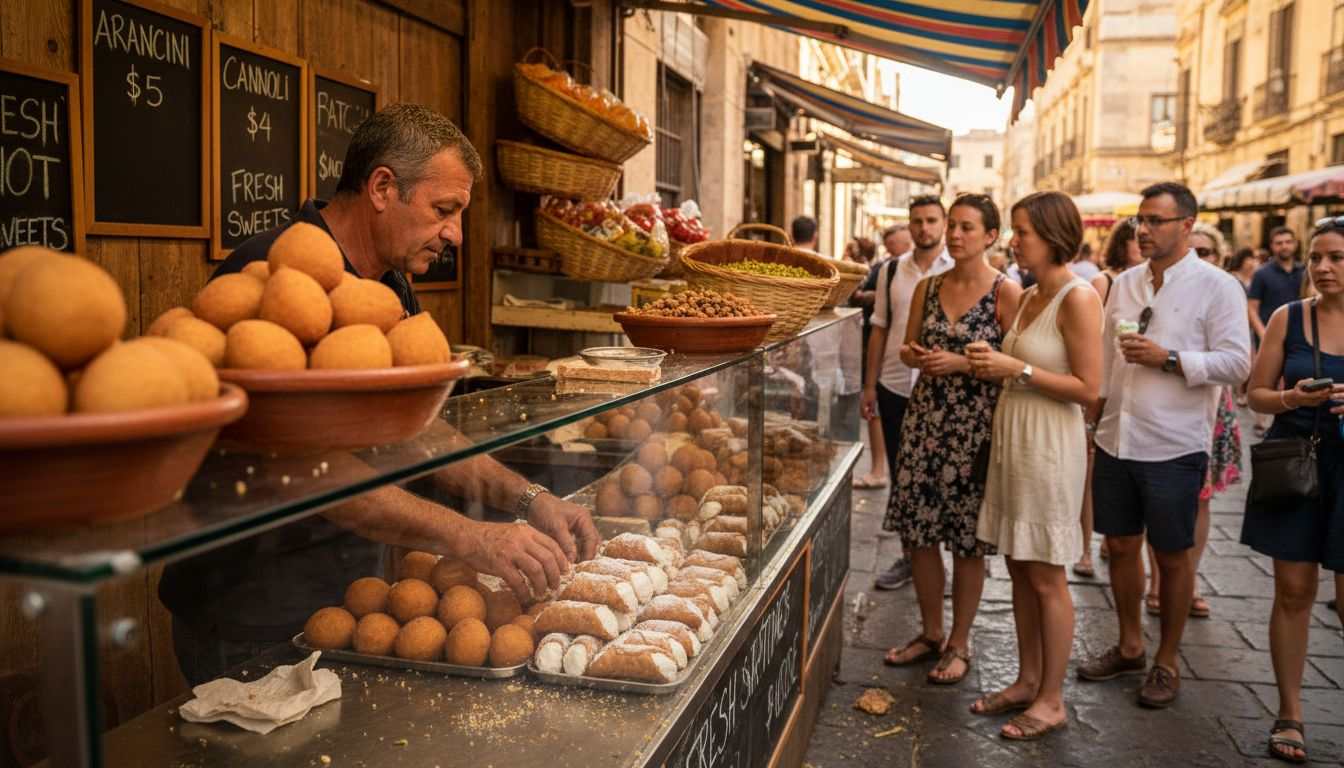

Craving a meal that captures centuries of history in every bite? Sicily offers more than postcard views; its cuisine is a living celebration of Greek, Roman, Arab, Norman, and Spanish influences, all blending with local traditions. Food lovers from the United States and Canada will discover how Sicilian cuisine stands apart for its vibrant fusion of ingredients and deep culinary roots. Get ready to taste dishes where every flavor tells a story shaped by the island’s rich past and unique landscape.
Table of Contents
- What Makes Sicilian Cuisine Unique
- Diverse Influences Shaping Sicilian Flavors
- Signature Dishes and Local Specialties
- How Geography Creates Culinary Variety
- Dining Traditions and Local Food Culture
Key Takeaways
| Point | Details |
|---|---|
| Cultural Diversity | Sicilian cuisine uniquely reflects centuries of cultural intersections influenced by Greek, Arab, Norman, and Spanish settings. |
| Signature Dishes | Iconic dishes like Arancini, Cannoli, and Pasta alla Norma highlight the region’s rich culinary heritage. |
| Geographical Influence | Sicily’s volcanic soil and diverse climates foster a rich variety of local ingredients and cooking methods. |
| Dining Traditions | Communal dining and seasonal ingredients are central to Sicilian food culture, emphasizing quality and social connection. |
What Makes Sicilian Cuisine Unique
Sicilian cuisine stands as a remarkable culinary journey that reflects centuries of cultural intersections and geographical richness. Unlike typical Italian regional cooking, Sicilian food tells a complex story of conquest, trade, and adaptation through its incredibly diverse flavor profiles. Mediterranean culinary traditions have been profoundly shaped by successive waves of civilizations that each left an indelible mark on the island’s gastronomic landscape.
The uniqueness of Sicilian cuisine emerges from its extraordinary blend of influences, spanning Greek, Roman, Arab, Norman, and Spanish cultures. These historical interactions have transformed Sicily into a culinary crossroads where ingredients and cooking techniques from different civilizations converge. Key characteristics that distinguish Sicilian food include:
- Abundant use of fresh seafood from the surrounding Mediterranean waters
- Distinctive herbs like mint set it apart from mainland Italian cooking
- Strategic incorporation of vegetables such as aubergine, peppers, and tomatoes
- Preservation of ancient cooking methods passed through generations
- Intense focus on locally sourced, seasonal ingredients
Traditional dishes like arancini (stuffed rice balls), pasta alla Norma, and cannoli perfectly encapsulate this rich culinary heritage. Each recipe represents a delicious testament to the island’s complex historical tapestry, where every bite tells a story of cultural exchange and agricultural abundance. Sicilian ingredients showcase remarkable diversity that reflects the island’s fertile landscapes and strategic maritime location.
Pro tip: When exploring Sicilian restaurants, look beyond familiar Italian dishes and ask about traditional regional specialties that highlight the island’s unique culinary identity.
Diverse Influences Shaping Sicilian Flavors
Sicilian cuisine represents a remarkable culinary tapestry woven through centuries of cultural interactions, where each civilization has left an indelible mark on the island’s gastronomic identity. Historical culinary transformations reveal how successive waves of conquerors and traders dramatically reshaped the region’s food traditions, creating a unique flavor profile unlike any other in the Mediterranean.
The remarkable diversity of Sicilian flavors stems from a complex historical mosaic involving multiple civilizations. Key cultural influences that transformed the island’s cuisine include:
- Phoenicians introduced advanced maritime trade routes
- Greeks established sophisticated agricultural techniques
- Arabs bringing revolutionary ingredients like sugar, citrus, and spices
- Normans contributed new cooking methods and trade connections
- Spanish conquistadors introduced New World crops like tomatoes and chocolate
Mediterranean agricultural innovations dramatically expanded the culinary possibilities of the island. The Arabs, in particular, made extraordinary contributions by introducing sophisticated farming practices and exotic ingredients that fundamentally altered Sicilian cooking. Ingredients like apricots, eggplant, cinnamon, and saffron became integral to the island’s emerging gastronomic identity, transforming simple peasant cooking into a rich, complex cuisine.
The volcanic soil of Sicily, combined with its strategic maritime location, further amplified these cultural exchanges. Each conquering civilization didn’t just bring new ingredients—they brought entire culinary philosophies that merged and evolved, creating a unique gastronomic language spoken through food. From the intricate spice blends to the innovative cooking techniques, Sicilian cuisine tells a story of resilience, adaptation, and cultural synthesis.
Here’s a concise look at how different civilizations influenced Sicilian cuisine:
| Civilization | Main Contribution | Lasting Ingredient or Technique |
|---|---|---|
| Greeks | Advanced agriculture | Olive oil production |
| Arabs | New spices, farming methods | Introduction of sugar, citrus |
| Normans | Diverse meat recipes | Baking and roasting styles |
| Spanish | New World crops | Tomatoes and chocolate |
| Phoenicians | Trade networks | Seafood preservation techniques |
Pro tip: When exploring Sicilian restaurants, ask about the historical origins of specific dishes to understand the deep cultural narratives embedded in each recipe.
Signature Dishes and Local Specialties
Sicilian cuisine boasts an extraordinary array of signature dishes that capture the island’s rich culinary heritage and diverse cultural influences. Traditional Sicilian culinary treasures represent more than just food—they are edible narratives that tell stories of conquest, agricultural abundance, and generational cooking techniques.
The island’s most iconic dishes showcase its remarkable gastronomic diversity, including:
- Arancini: Deep-fried rice croquettes filled with meat, cheese, or vegetables
- Cannoli: Sweet ricotta-filled pastry shells with crisp exteriors
- Caponata: Eggplant salad prepared with sweetened vinegar and complex spices
- Pasta alla Norma: Classic pasta dish featuring fried eggplant and ricotta
- Stigghiole: Traditional street food sausages with unique preparation methods
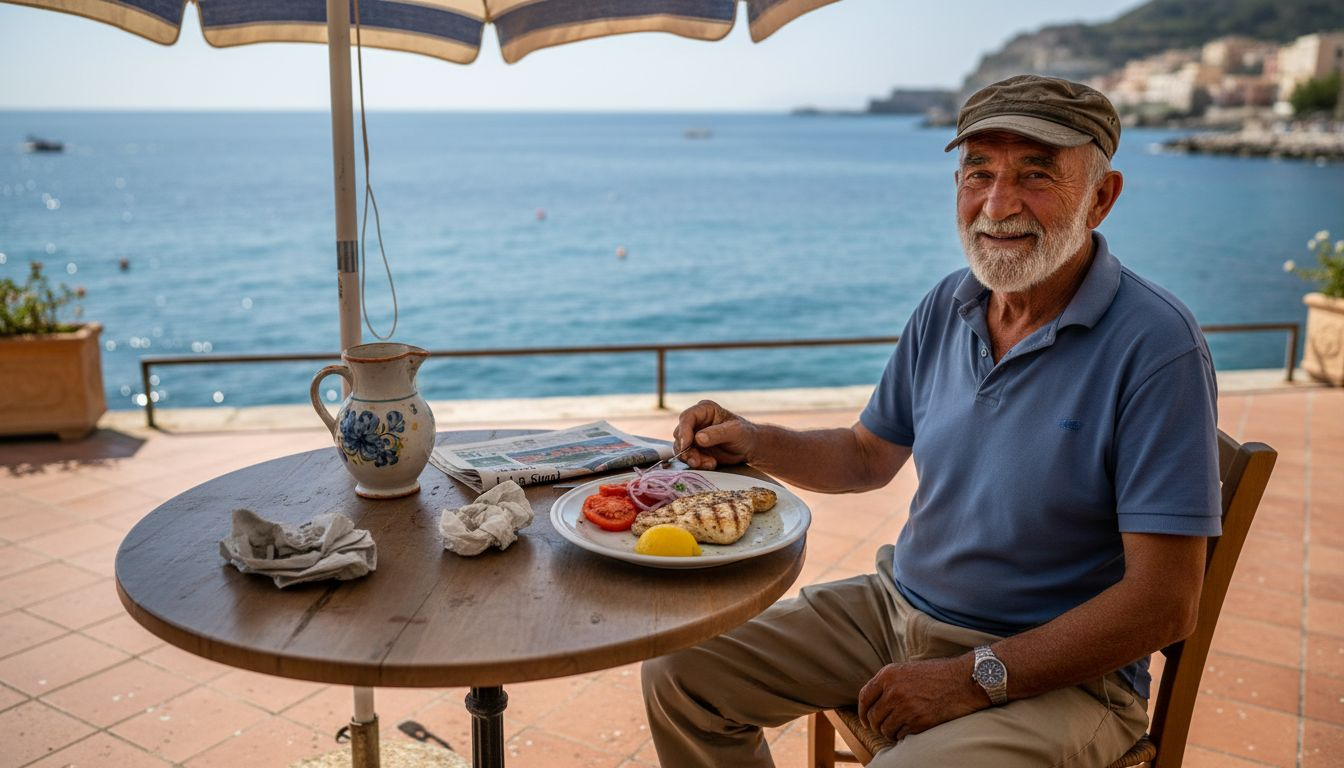
Coastal and inland culinary specialties demonstrate the remarkable regional variations within Sicilian cuisine. Coastal areas excel in seafood preparations, featuring swordfish and tuna prepared through grilling, baking, and creating rich ragù sauces. Inland regions, by contrast, focus more on meat-based dishes and vegetable-centered recipes that reflect the agricultural landscape.
Street foods play a particularly important role in Sicilian culinary culture, with specialties like panelle (chickpea fritters) and pani câ meusa (spleen sandwiches) offering travelers an authentic taste of local food traditions. These dishes represent more than mere sustenance—they embody the island’s creativity, resilience, and capacity for transforming humble ingredients into extraordinary culinary experiences.
Pro tip: When sampling Sicilian dishes, ask local restaurants about the historical origins of their recipes to gain deeper insights into the cultural significance of each preparation.
How Geography Creates Culinary Variety
Sicily’s unique geographical configuration is the secret ingredient that makes its cuisine truly extraordinary. Culinary landscape’s geographical foundations reveal how the island’s distinctive terrain creates an unparalleled diversity of food traditions that differ dramatically from one region to another.
The island’s remarkable culinary diversity can be attributed to several key geographical features:
- Volcanic Soil: Incredibly fertile, supporting diverse agricultural production
- Mediterranean Climate: Enables year-round growing seasons
- Extensive Coastline: Provides abundant seafood and marine resources
- Mountainous Interior: Supports unique livestock and agricultural practices
- Three Historic Valleys: Create distinct microclimates and food production zones
Sicily’s regional culinary variations demonstrate how geography profoundly shapes local food cultures. Coastal regions like Trapani showcase North African culinary influences with dishes such as couscous, while mountainous inland areas develop hearty meat and vegetable preparations that reflect their rugged terrain. The triangular shape of the island creates remarkable ecological diversity, supporting everything from citrus fruits and grapes to unique grain varieties and seafood.
The intersection of geography and culture transforms Sicily into a living culinary museum. Each region tells a different story through its ingredients and cooking methods, with local produce, climate, and terrain directly influencing traditional recipes. From the saltwater-kissed seafood of coastal towns to the robust meat dishes of mountain villages, Sicily’s landscape is quite literally a flavor-making machine that continues to surprise and delight food enthusiasts.
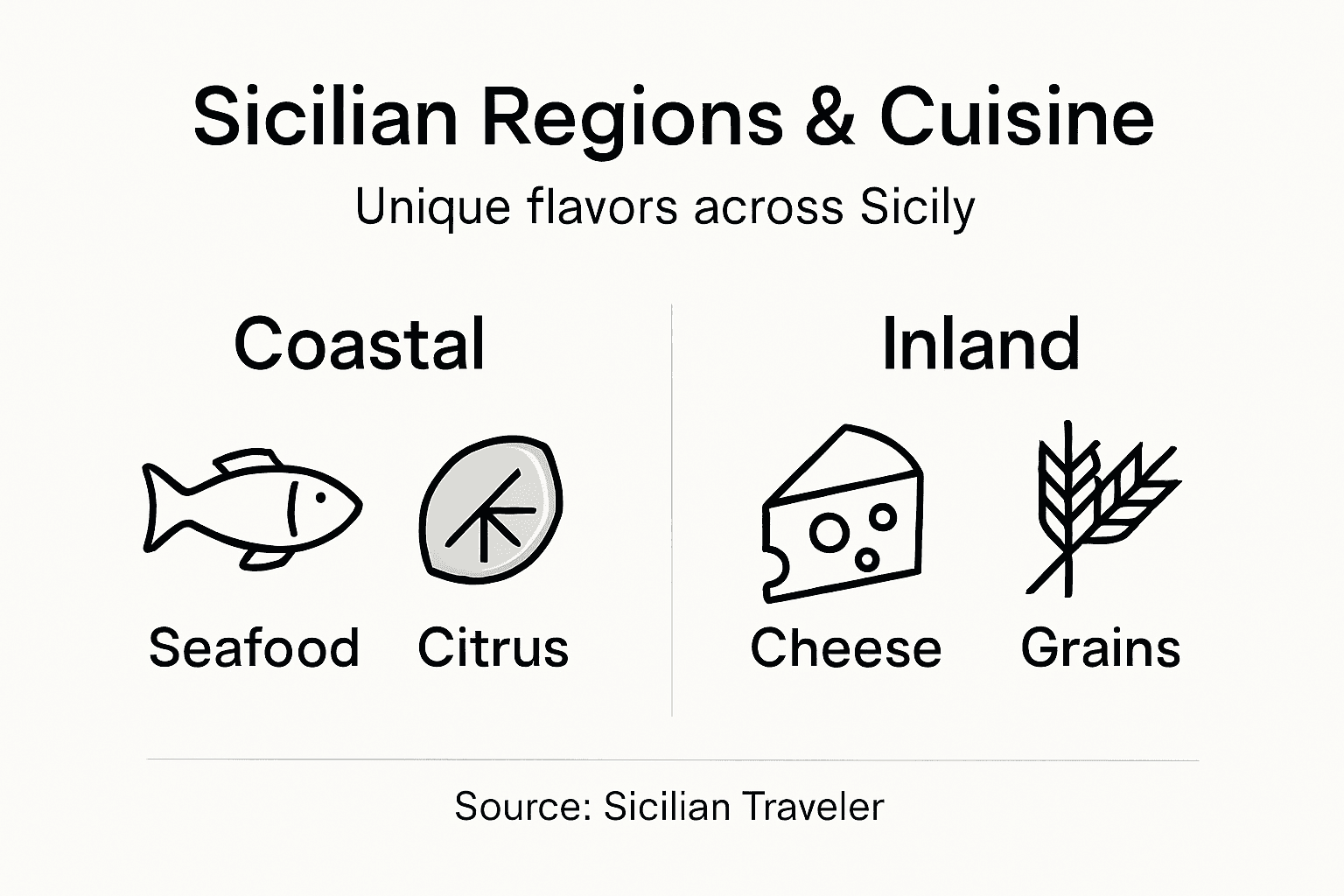
The following table summarizes the regional contrasts in Sicilian culinary variety:
| Region Type | Signature Ingredients or Dishes | Distinctive Culinary Feature |
|---|---|---|
| Coastal | Swordfish, tuna, couscous | Focus on seafood, light flavors |
| Inland | Lamb, eggplant, ricotta | Hearty stews, robust flavors |
| Urban | Panelle, pani câ meusa | Vibrant street food culture |
| Valley Areas | Citrus, grapes, unique grains | Microclimate agriculture diversity |
Pro tip: When traveling through Sicily, sample regional dishes in different areas to experience how dramatically local geography impacts flavor and cooking traditions.
Dining Traditions and Local Food Culture
Sicilian dining is far more than simple sustenance—it’s a profound cultural ritual that connects generations and celebrates community through shared meals. Sicilian culinary heritage reveals a deep-rooted tradition where food serves as a powerful narrative of family, history, and local identity.
The island’s distinctive dining customs are characterized by several key elements:
- Seasonal Ingredients: Prioritizing fresh, locally grown produce
- Communal Dining: Meals as social experiences that unite families and communities
- Generational Recipes: Traditional dishes passed down through family lineages
- Street Food Culture: Vibrant urban culinary experiences, especially in cities like Palermo
- Festival Celebrations: Food as a centerpiece of cultural and social gatherings
Communal dining represents the heart of Sicilian food culture, where meals are elaborate affairs that can last hours and involve multiple generations. Marsala wine often accompanies these gatherings, symbolizing the region’s rich agricultural heritage. The emphasis is not just on consuming food, but on creating meaningful connections, sharing stories, and maintaining cultural traditions that have survived centuries of historical transformations.
Street food plays a particularly significant role in Sicilian culinary traditions, transforming urban spaces into living, breathing gastronomic experiences. Markets and street vendors in cities like Palermo offer an authentic window into the island’s food culture, where traditional recipes come alive through vibrant, impromptu dining experiences that invite both locals and travelers to participate in a shared cultural ritual.
Pro tip: When dining in Sicily, take your time with meals and engage with local families to truly understand the cultural significance behind each dish.
Discover the True Flavor of Sicily Through Its Unique Cuisine
Sicilian cuisine is far more than a meal it is a deep cultural experience shaped by rich history and local geography. If you are a traveler eager to taste this remarkable blend of Greek, Roman, Arab, Norman, and Spanish influences, you might face the challenge of finding authentic dishes or understanding their stories. Key concepts like arancini, pasta alla Norma, and the vibrant street foods reveal much about Sicily’s cultural mosaic, but can be overwhelming to explore alone.
At Sicilian Traveler, we understand your goal to connect with Sicily’s true culinary identity. We provide carefully crafted guides that help you navigate local dining traditions, discover regional specialties, and uncover how geography shapes flavors. Whether it is sampling coastal swordfish or inland robust meat dishes, our blog offers priceless insights to enrich your journey.

Ready to embark on a culinary adventure that tells the full story behind every bite? Visit Sicilian Traveler now and dive into our expertly curated experiences of Sicilian food, culture, history, and places to visit. Don’t miss out on unlocking the secrets of Sicilian cuisine and making your trip truly unforgettable. Start exploring today and savor the authentic tastes that only Sicily can offer.
Frequently Asked Questions
What makes Sicilian cuisine unique from other Italian regional cuisines?
Sicilian cuisine is unique due to its blend of influences from various civilizations, including Greek, Roman, Arab, Norman, and Spanish cultures, resulting in diverse flavors and techniques.
What are some signature dishes of Sicilian cuisine?
Some iconic dishes include arancini (stuffed rice balls), cannoli (ricotta-filled pastry), pasta alla Norma, and caponata (eggplant salad), each reflecting the island’s rich culinary heritage.
How do geography and climate affect Sicilian food traditions?
Sicily’s volcanic soil, Mediterranean climate, and extensive coastline contribute to the abundance of fresh produce and seafood, creating distinct regional culinary practices and diverse flavors.
Why is communal dining important in Sicilian food culture?
Communal dining emphasizes shared meals among families and communities, serving as a ritual that strengthens social bonds and preserves generational recipes and culinary traditions.